The Rhum Line

The aimless and sometimes muddled route of a traveling couple looking for their next great adventure


2 Comments

Leaving Colombia By Boat

After our relaxing days and river adventures in Palomino, we returned to Cartagena for the last time to await the arrival of members of Heather’s family. Her uncle, aunt and cousin were joining us for the next leg of our journey – sailing from Cartagena to Panama via the San Blas Islands. Through online research I had found a small fleet of sailing vessels that made regular crossings between the two countries – certainly a more interesting way to travel than flying. Throw in three days exploring and snorkeling the beautiful San Blas and the decision was a no-brainer. Even Heather’s family from California couldn’t resist the allure of this adventure and had booked passage just three days after hearing of our plans. After a one-day delay and a change of boats due to mechanical issues the five of us boarded Catamaran 360, along with five strangers on the evening of December 13th. After we had settled into our respective cabins and gotten our briefing from the Colombian captain, he and the two-person crew headed ashore for a meal and a shower, telling us they’d return by midnight and we’d get under way. We spent some time getting to know our fellow passengers and soon headed to our bunks, excited at the prospect of waking up on the open sea (the first two days would be an open ocean crossing until we reached the San Blas). Surprisingly, we slept soundly that night to the gentle rocking of the boat. At first light I woke and peered out of the porthole in our cabin to see . . . the lights, buildings and other boats of Cartagena harbor. We were still anchored in our spot from the night before. As we all came up on deck we noticed one other thing – the captain and crew had not returned. And they had our full payments and passports, which he had asked for just before leaving for shore. ‘Nah, he couldn’t have . . .’ As we shook off the sleep and tried to dispel the uneasy feeling that was gnawing at the back of some of our minds, we heard the drone of an outboard motor crossing the harbor. The captain and crew, and Sancho the boat dog, approached. The captain boarded his boat and set about preparing for departure. Finally, one of the crew told us that the other crew member had dropped her sunglasses overboard during the dinghy ride to shore the previous night and was insistent on waiting for daylight in order to try to retrieve them using a mask and snorkel. ‘Hmmm. A lame excuse to push our schedule back by eight hours’ I thought, but they’re here and we’re leaving and our excitement (and relief) grew anew. We were given breakfast and then found spots on deck to watch the Cartagena skyline fade into the distance and were soon surrounded by nothing but open water. For the next forty-two hours only three or four container ships broke the seascape of Caribbean blue. As we bobbed on the swells several of our group began to feel the effects of seasickness, yet none would actually get any more than a little nauseous. However, none of the copious amounts of beer and wine brought on board would be touched during this time.

B49CAC49-FAB4-4E42-A7CE-06D9EBBC97BB_1_105_c

The family the first morning – all smiles.
21771259-5491-4DFB-B432-14CDCBD74199_1_105_c

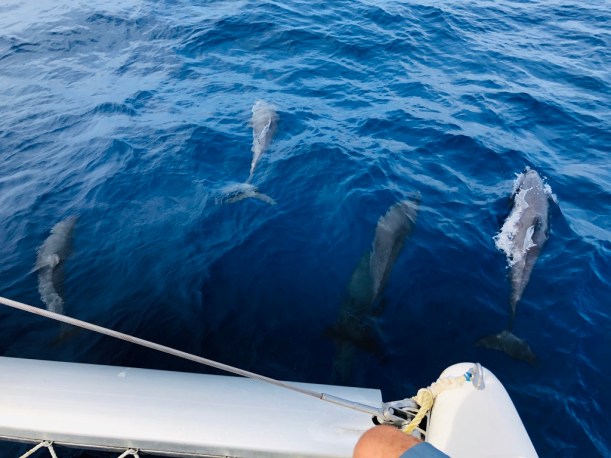
Dolphins provide some excitement on day 1.

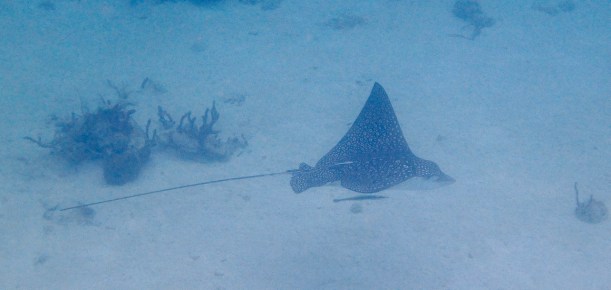
Early in the morning of day three we woke to the sight of land. Once again peering out of the small porthole of our cabin at first light, I spied the dream landscape: a white sand-fringed island, dotted with palm trees, surrounded by clear blue water and the dark outline of a coral reef. Soon we heard the soft patter of feet on deck followed by the splash of bodies eager to get into the water following two days of confinement. A group of us swam to shore, scrambled up onto the beach and crossed the small island to gaze at the surf rolling in on the exposed side. Following a swim back to the boat we devoured breakfast and then donned masks and snorkels for our first of three trips along the reef. We were pleasantly surprised by the profusion of hard and soft corals. Fish were certainly present, though not in the numbers one would expect to see on what appeared to be a fairly healthy reef. However, sighting a large spotted eagle ray, decorated crab and a nurse shark were enough to raise our excitement levels.

341D920C-9704-4744-888D-29EF91D76ED4_1_105_c

Our first stop in the San Blas islands. Locals delivering the fresh catch to another anchored boat.
OLYMPUS DIGITAL CAMERA

Spotted eagle ray.

OLYMPUS DIGITAL CAMERA

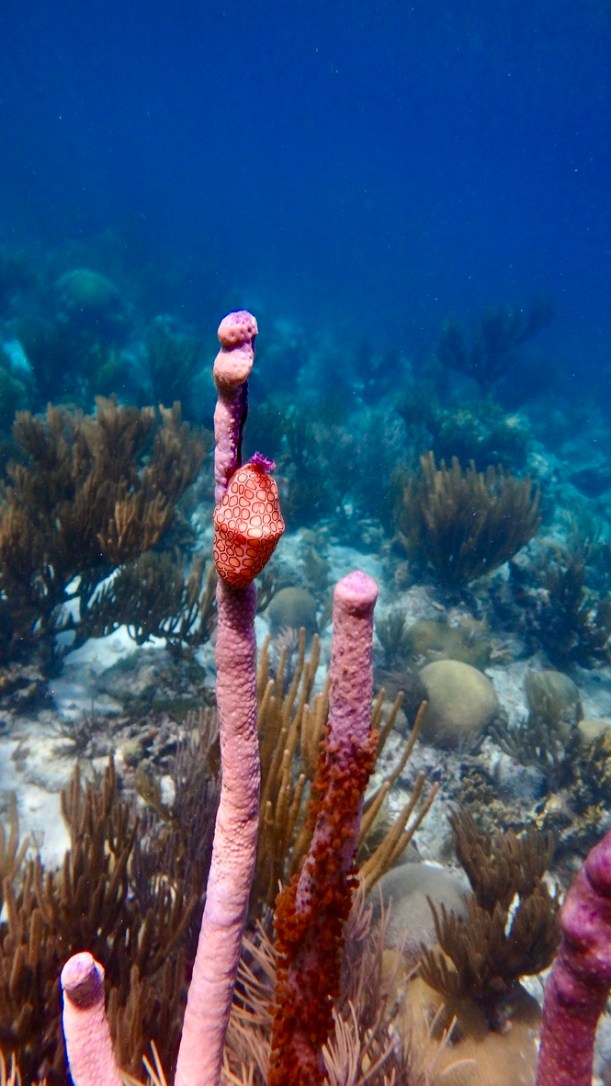
Flamingo tongues on finger sponges.

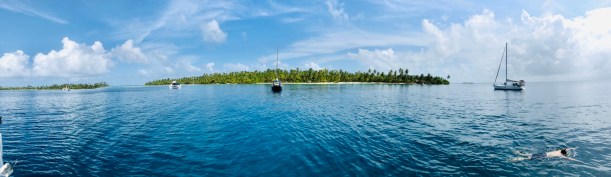
Day 5 had us moving just after breakfast. En route to our next island idyll, the captain anchored just offshore of what he called “immigration island”. This small island hosted the lone immigration post that served the 365 islands of the San Blas chain and would officially welcome us into Panama. We would also pay our $20 USD fee which gained us access to the Guna Yala indigenous area, which encompassed the San Blas as well as 230 miles of Panamanian coastline. Formalities taken care of, we once again set sail towards our final night’s anchorage. By mid-day we were comfortably nestled amongst several other sailboats protected by three islands and a fringing reef surrounding all. We didn’t hesitate to get in and start exploring. Once again, the reef didn’t disappoint.
53A352CD-B595-4570-9751-3FCAD3AC2044_1_105_c

Our anchorage for night 4.

6CB87CF7-1165-41D6-9166-65C922421732_1_105_c

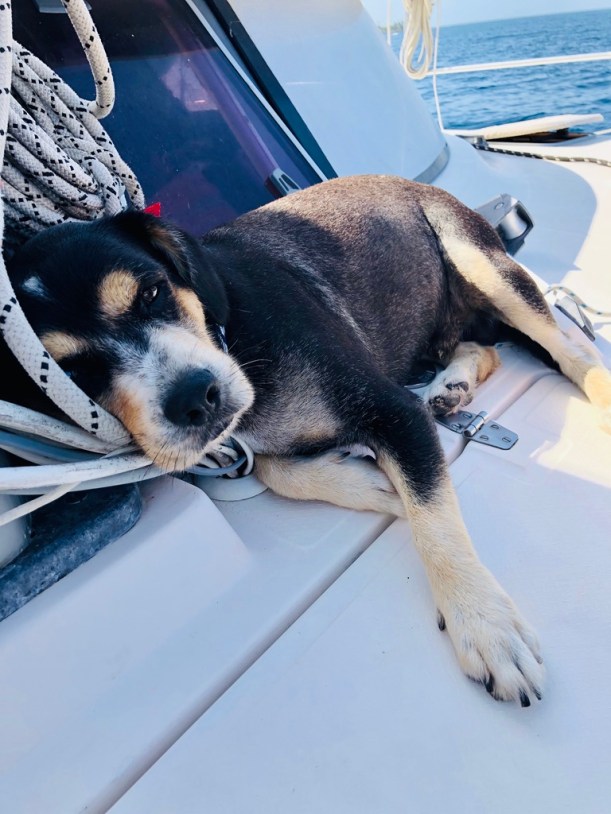
It’s not easy being a boat dog.

OLYMPUS DIGITAL CAMERA

A well hidden moray eel.

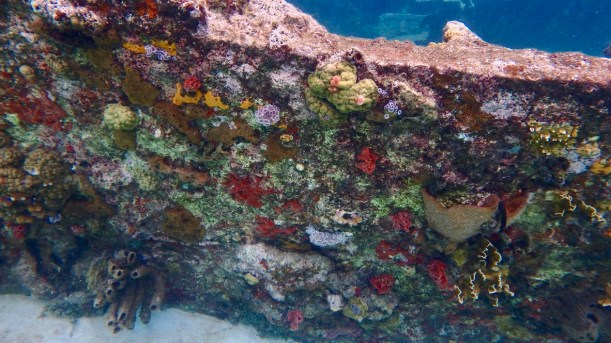
Before our trip ended, we had the chance to visit a Guna Yala village on one of the islands. Our captain gave us insights into the matriarchal family life (“the men wear board shorts and fish all day”), including the peculiar fact that even if a family doesn’t have a female child, the youngest son will be treated as one, ensuring the mother’s bloodline continues. We also motored over to the shallow wreck of a cargo ship for one last snorkel before being off-loaded to a small motorboat which would take us to the mainland for the two hour roller coaster ride through jungle and mountain to Panama City, where we would split from family – they returning to California and Heather and I moving along the Pacific coast for some more Panamanian beach time.

46CB8968-20EC-4BE6-A56F-CCC63A3C0569_1_105_c

Kids being kids.

B2B85AF5-8D9C-4525-80F2-E92BEDD53AD1_1_105_c

Guna Yala woman in traditional dress – especially noted for their copious bracelets and anklets.

AB7A8D21-4692-4703-8DD9-1BBBF5D8AA2A_1_105_c

Always eager to contribute to the local economy, Heather gets a custom-made bracelet.
OLYMPUS DIGITAL CAMERA

An explosion of color on the shipwreck.


Leave a comment

Palomino, Colombia

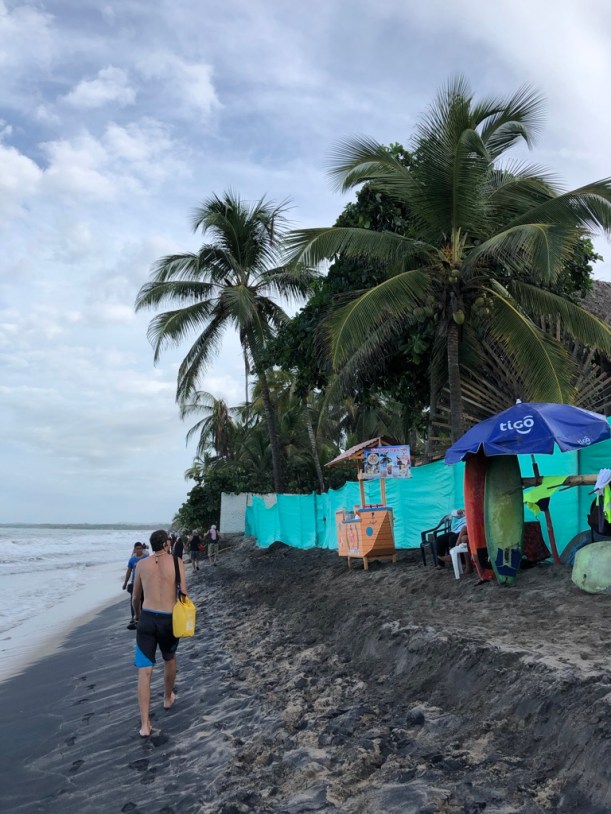
Our travels thus far in Colombia had taken us to mountain villages, coastal cities and Caribbean islands. Our next objective was to check out a Colombian beach town and Palomino was our target. Located four (according to the bus company) or six (in reality) hours east of Cartagena, Palomino sat on the Caribbean coast at the foot of the Sierra Nevada mountains, the northernmost reach of the Andes range. Sitting between two rivers, the town consisted of a jumbled grid of dirt roads lined by guesthouses, bars and restaurants, and companies offering tubing trips on the Rio Palomino. If one were so inclined, surfing was available as well. Our guesthouse host, Alejandra, also indicated paddle board tours were offered on another nearby river, which was of particular interest to us. We asked her to arrange a tour for the following day, then set off for the beach. After lunch at a vegan cafe fronting the sea (Heather’s idea) we searched for a suitable beachfront purveyor of beverages (my idea). Bar San Sebastian seemed to fit the bill perfectly – thatch roof, cheap plastic chairs and a hand-painted sign offering 2-for-1 mojitos. For $3. And the beer was even cheaper. After ordering a mojito for Heather and a beer for myself we settled into our seats and took in the scene – Colombians enjoying the surf, sun-burned tourists strolling along the sand, salesmen offering sunglasses and roasted cashews (not together – these guys are specialists). We eventually struck up a conversation with one of the men offering cashews (he piqued our interest when he offered ‘happy hour’ pricing). His story was an interesting one. A former taxi driver from Venezuela, he had moved with his wife and child to Colombia seeking a better life. Selling just three jars of cashews a day (at $3 each) provided ample income to support his family. Humbling to think we would eventually spend about three days wages in an afternoon at the beach.

9CD19B9B-C3AB-40AD-A418-2492B4AE377B_1_105_c

Surfside at Bar San Sebastian.

The next day we were excited for our paddle boarding adventure. Alejandra explained that we needed to walk out to the highway, flag down a westbound bus, ride for about fifteen minutes to a small village called Don Diego where we should wander the village looking for the office of the tour company. And no one would speak any English. No problema! With a bit of trepidation, we got out to the highway to find a bus waiting on the side of the road. The driver, seeing us approach, asked where we were headed. Understanding ‘Don Diego’, he indicated this was, indeed, our bus. Soon we were off and enjoying the scenery of jungle-clad mountains on one side and the bright blue sea on the other. As fifteen minutes elapsed, we started to think about where we should ask the driver to let us off. Noticing our anxiety, he motioned for us to relax, and he would let us know when we should step off. Within minutes we arrived in Don Diego and he indicated for us to get out. Now, if we could just figure out where in the little village we’d find our tour company. We needn’t have worried. A fellow standing at the bus stop asked us if we were looking for a boat ride, fishing or tubing. Since I didn’t know the Spanish term for paddle boarding, I just said “Paddle board”. “Ah, down this street, on the right” and pointed across the highway to a dirt road. As we set off in the direction he had pointed to, moments later he roared past on his motorbike, and, as we learned in a couple minutes, had alerted the tour office that their gringos had arrived. After two blocks another guy was standing in the street waving his arms to guide us in. As we found time and again throughout Colombia, the people are incredibly friendly and helpful.

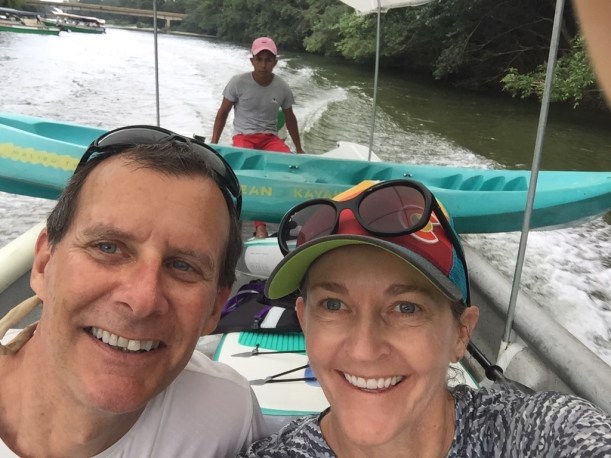
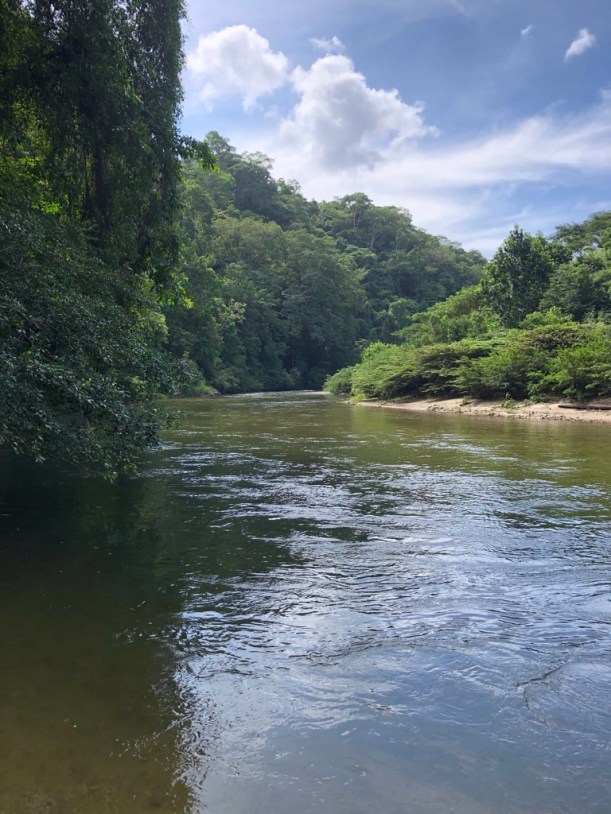
Our tour began with a lancha ride up the Rio Don Diego, hauling our paddle boards and our guide’s kayak. Twenty minutes later the boatman pulled up to a sand bar and our watercraft were placed on the shore. Donning life jackets, our guide indicated if we had any paddling experience. “Muchas” we replied. With that he jumped in his kayak and headed into the current and was out of sight before we had a chance to adjust our paddles, secure our water bottles and flip-flops and get on our boards. Following the current we floated peacefully downriver through bamboo and leafy trees lining the waterway. Occasionally, over the next hour and a half, we caught glimpses of our guide as he waited to check our progress and at times indicate a particular channel of the river to shoot for. Along the way we passed a group of three people tubing, but otherwise had the river, and the views, and the birds, to ourselves.

24693E01-4CF1-4066-8D99-9977A6815D82_1_105_c

The lancha transporting us upriver to the starting point.

D6ECDEC8-E62B-429C-9459-EE4F1770878B_1_105_c

Heading down the Rio Don Diego.

0AD5BBFD-31F8-4267-BCA7-6F9784589FCC_1_105_c

Looking back upriver towards the Sierra Nevadas.

Our trip took us all the way down to where the river emptied into the sea. A wide beach framed the river mouth and we found our guide, lancha and a palapa waiting there. Under the palapa a guy had set an old refrigerator on it’s side, filled it with ice each morning and stocked it with cans of Club Colombia and Aguila beer. Not ones to pass up a cold one after a morning on the river we indulged in a couple frosty brews with our toes in the sand and views of mountains and sea.

DC50E188-16E9-4D60-BC56-10B4BC299229_1_105_c

Pure genius!

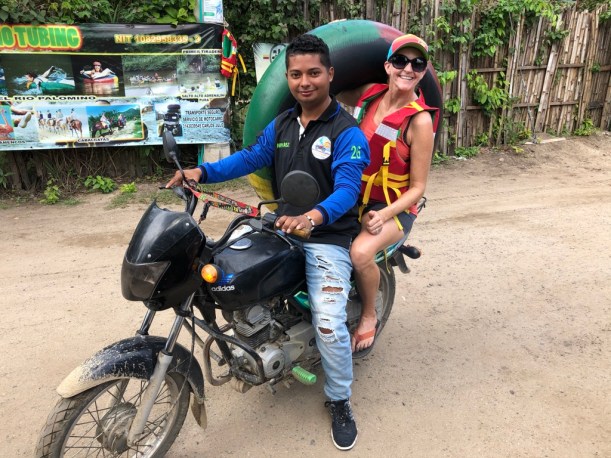
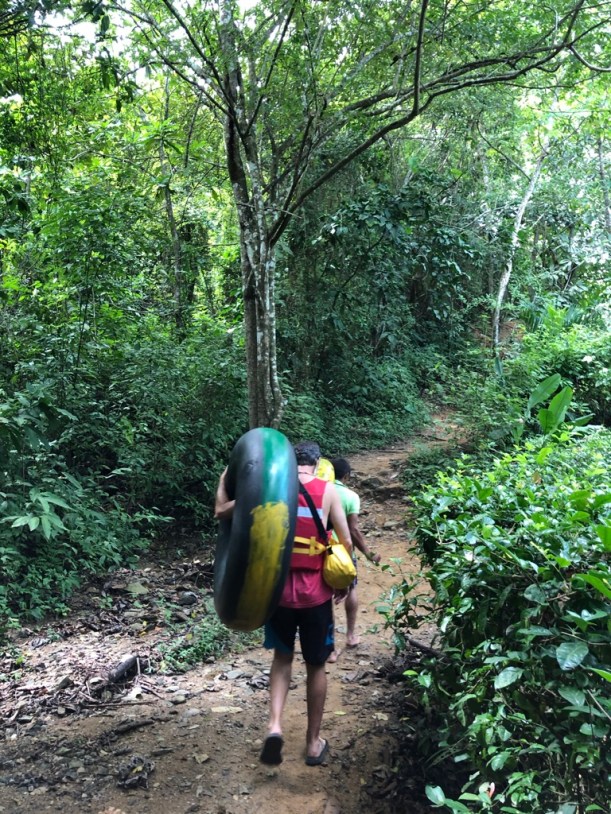
Day three of our visit would take us tubing down the Rio Palomino. We’ve got quite a bit of tubing experience, as the Yampa River flows through our hometown, and is accessed by a short walk from our home. In Palomino it was going to take just a bit more work to get to the river. About midday we made arrangements with one of the companies offering tours. While we donned life jackets (essential for getting through the police checkpoint) and picked a suitably-sized tube, our guide rounded up a couple motorbike drivers. We would travel on the back of the motorbike for about twenty minutes, first through town, then across the highway to another dirt road heading into the mountains, which would eventually narrow to a rocky, rutted path steeply climbing a hillside until the bikes could no longer navigate the trail at all. While holding a giant inner tube with one arm. We dismounted and continued by foot, first climbing (and perspiring heavily) and then descending for another thirty minutes, occasionally catching glimpses of the river through the forest canopy. Upon reaching the riverbank and our put-in point, we discovered another Colombian entrepreneur who somehow transports a cooler, ice and beer here each morning. Of course we purchased a handful of beers (for the outrageous price of $1.65 each!), but didn’t need to buy more then one each as we found a vendor at each sand bar we passed along the way.

D8778E0C-2027-4A22-93D8-DC48DFBA0DA5_1_105_c

Ready for adventure!

46A63233-7ADD-4F25-88AE-FB01A36C52C7_1_105_c

It shouldn’t have to be this hard.

3A1510A8-7BE0-43B8-9C90-3E7833F46AD5_1_105_c

The start of the float. I’m discussing with our guide how many beers we should buy.

6EE2FE06-8D85-436A-8088-CB67C4D67895_1_105_c

The lazy river.

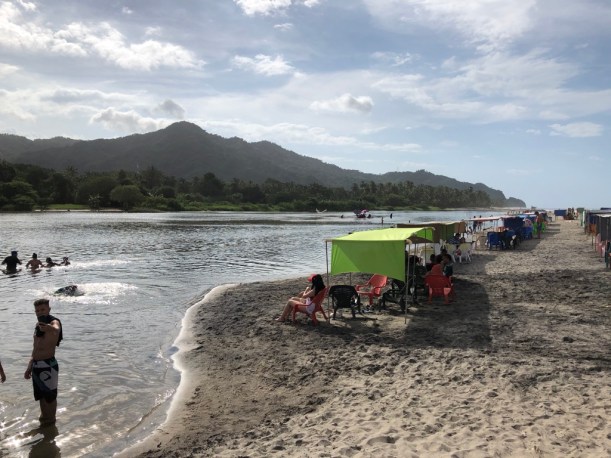
As with our paddle board tour, this also ended as the river met the Caribbean Sea. This beach was a bit more crowded with two restaurants, chairs and sun shades and quite a few Colombian families enjoying the sand and surf. While our guide departed with our tubes to return to town we decided to linger over lunch and enjoy the rest of the afternoon before also strolling the beach back to town and our guesthouse. And one more stop at Bar San Sebastian for those mojitos.

103B66F4-72FA-405A-A82A-B1C70F86DDCE_1_105_c

The scene at the beach where Rio Palomino meets the sea.

8AC1B5AD-A848-487F-89A8-E3CD39144DF4_1_105_c

Heading back to town after another great day on the river.


Leave a comment

The Caribbean Coast, Colombia

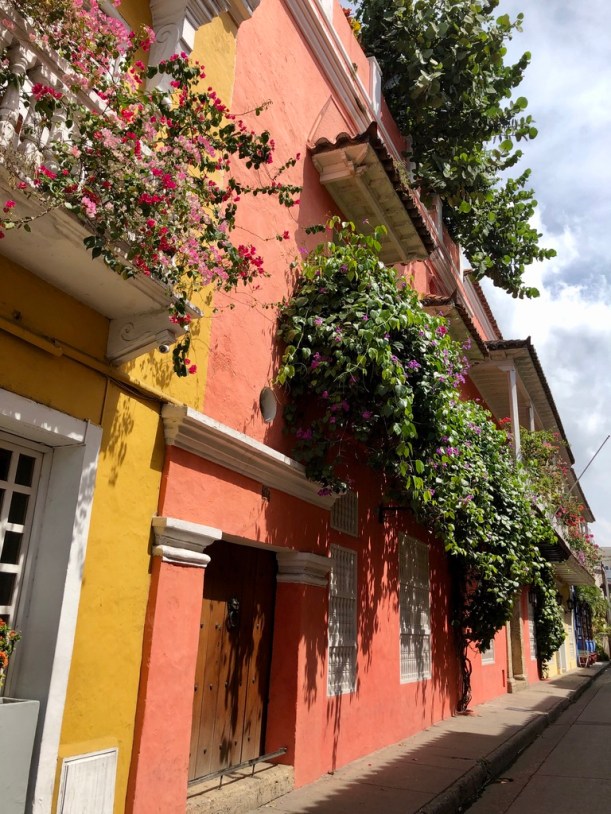
Finally we had found the heat. While we were still back in Colorado in mid-November, watching record-breaking snows blanket town, we dreamed of the tropics. Hot and humid, sweltering, even. The kind of heat that turns your beer bottle into a river of condensation and makes you drink it down in just a couple hearty swigs. Shirt-stuck-to-your-back heat. We found it in Cartagena – mid 90’s with a humidity to match. Its old town fronts the sea, surrounded by a 16th century stone wall which contains cobblestone streets, colorful colonial buildings and leafy plazas. One can’t help think of Disney’s Pirates of the Caribbean while strolling through it. From the airport we taxied to our hostel, dropped our bags and were grateful for the air conditioned room that awaited us. We would not linger long inside as we had a quest – Cartagena is known for it’s ceviche, and we were hungry for lime-soaked seafood, and a bottle, or two, of beer dripping with condensation.

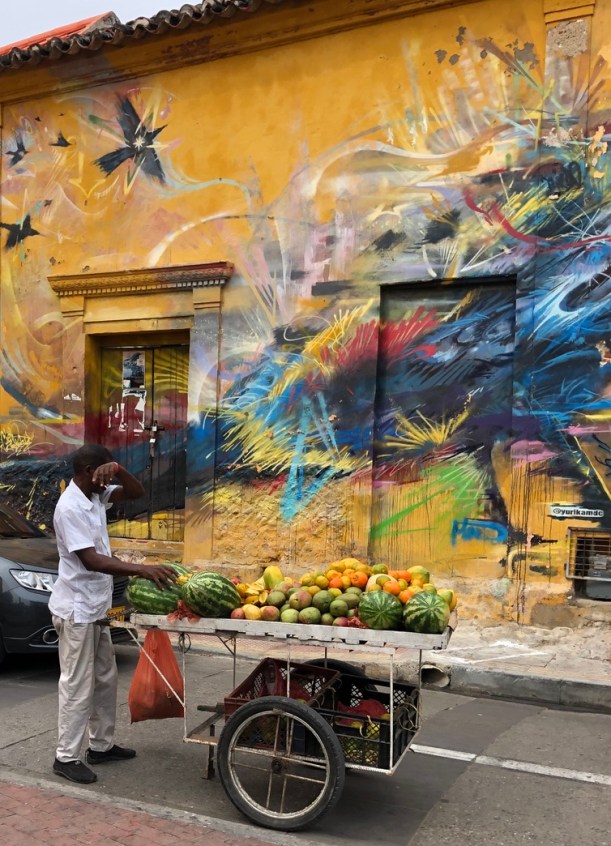
La Cevicheria was our first stop. The problem was there were so many choices. Fish? Shrimp? Octopus? The traditional style with onion, cilantro and lime. Perhaps with green mango, or corn and avocado, or something with a bite of fresh chili? We settled on a mixto, with all three seafoods, dressed with coconut milk, lime, onion and cilantro. Sitting outside at a table under an umbrella we watched as vendors hawked their wares (‘Sunglasses?’ ‘Um, you can see I’m wearing a pair, right?) and ladies, dressed in brightly colored skirts and tops, offered fruit from the baskets sitting atop their heads.

After that first afternoon we learned a lesson: hit the streets early after breakfast, grab some fresh fruit from a street vendor before returning to the air-conditioned comfort of our room by noon, then head back out to catch sunset from the city walls and find a dinner spot for the evening.

1EA989D2-8101-4E76-ADC0-0C8B271C067D_1_105_c

Colorful Cartagena.

D1C27B04-5C32-4A19-8823-8290C23D429C_1_105_c

A quiet street scene.

292B3C9C-2139-4F5D-BD7C-58FB0693DDEC_1_105_c

Fresh fruit is never far away.

2724CAFD-F923-48A0-BBCC-838D06DE2CC3_1_105_c

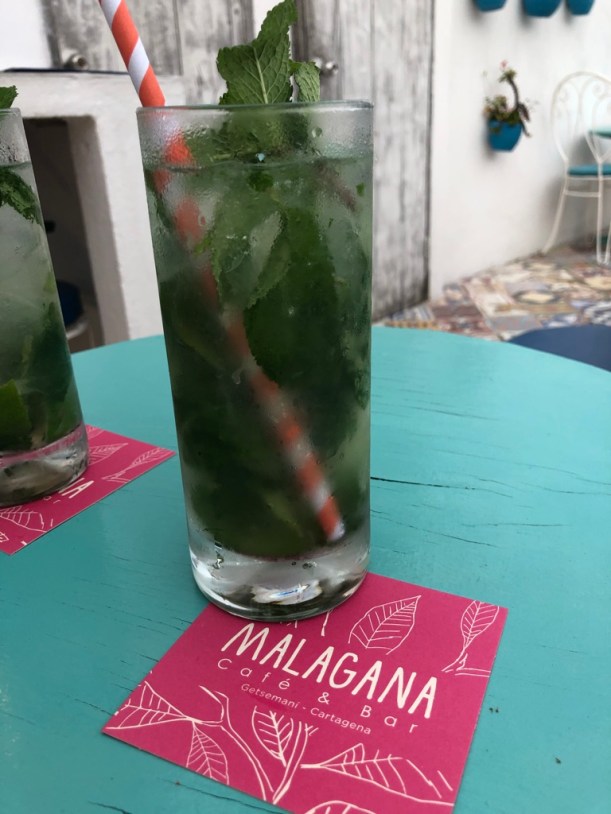
We didn’t spend all our time drinking beer. Cartagena is justifiably famous for its mojitos too.

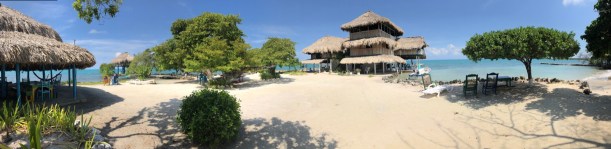
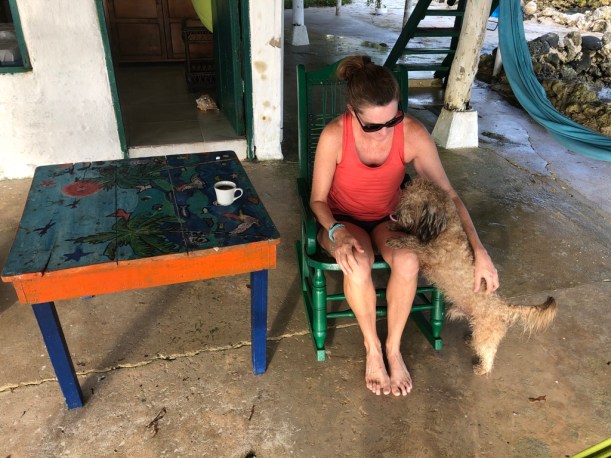
After three days of sticky heat, tourist-clogged streets and the never-ending press of touts (“Cigars? No? Cocaine?”) we were ready for some quiet island time. Fortunately, just a two hour boat ride west of Cartagena lay the San Bernardo Islands, a group of ten white sand-ringed islets basking in clear turquoise waters under the Caribbean sun. We booked a four-night stay at Hotel Punta Norte on the largest of the islands, Isla Tintipan, and set off by speedboat from Cartagena’s harbor. Upon arrival at its modest dock, Isla Tintipan seemed to be everything we had hoped for. There was a small beach, a few palm trees, a single kayak, an impressive number of hammocks and colorful rocking chairs for a five room thatch-roofed ‘hotel’, and what turned out to be, to our delight, a friendly pup named Juan, one fabulous cook and a plethora of fresh seafood on its menu. Also, no internet, or electricity for that matter, and nothing much to do besides try out each of the hammocks, devour the paperbacks we had brought along and sample just about all of the delights coming from their kitchen.

72CCE253-4C88-41E0-B308-A79F77E7B421_1_105_c

Hotel Punta Norte – everything necessary for the perfect beach break.

02364256-4BB3-42D6-B2CF-05A7B8855D00_1_105_c

Heather and Juan enjoying morning coffee outside our room. The dog was never dry and always sandy.

2823CCA2-5FEA-448F-8758-5F354D822521_1_105_c

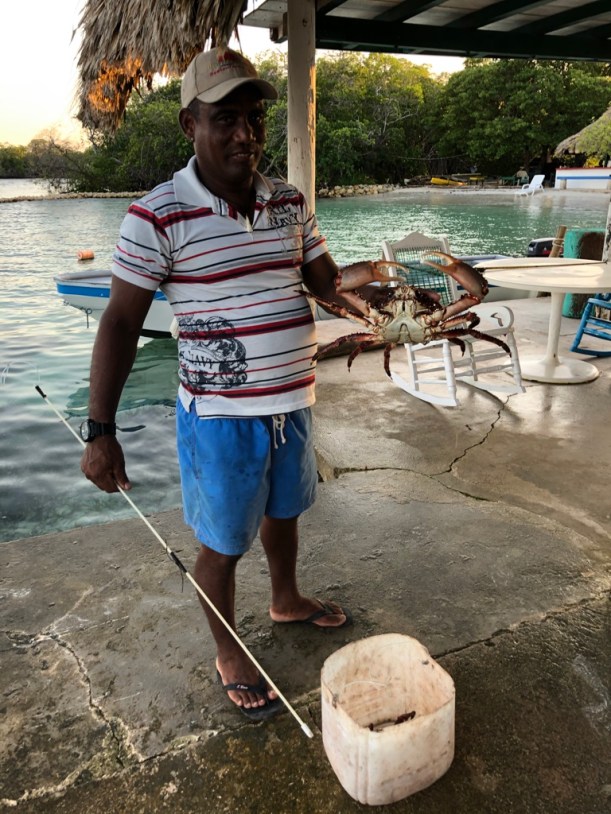
What’s the catch of the day? Doesn’t matter, we’ll take it.

It was four glorious days of sun, snoozing and seafood. One evening, Carlos, the owner, suggested we do the ‘plankton’ tour. “It’s swimming with the stars” he said. Intrigued, we accepted his invitation. About an hour after sunset we jumped into the lancha, or small outboard boat, and sped across the bay to the entrance to the island’s interior lagoon. The cloudless night sky was filled with stars and the water was pitch black. Following the lead of the boatman, we jumped into the inky water with mask and snorkel and were immediately surrounded by flashing lights trailing from our hands and feet. Each movement of our limbs ignited the bioluminescence in the water. Diving under the surface we couldn’t see through the flashing light covering our masks. After getting our fill of the light show beneath the water, we floated on our backs, gazing at the other stars above us until our boat driver roused us from our reverie and brought us back on board for the return trip to the hotel. After four days, with great reluctance, we left our little piece of paradise and returned to the big city – but just for one night. The next day we would head east from Cartagena for more Caribbean beach time.

5ED0452D-4F3A-46A9-8079-517C7942E399_1_105_c

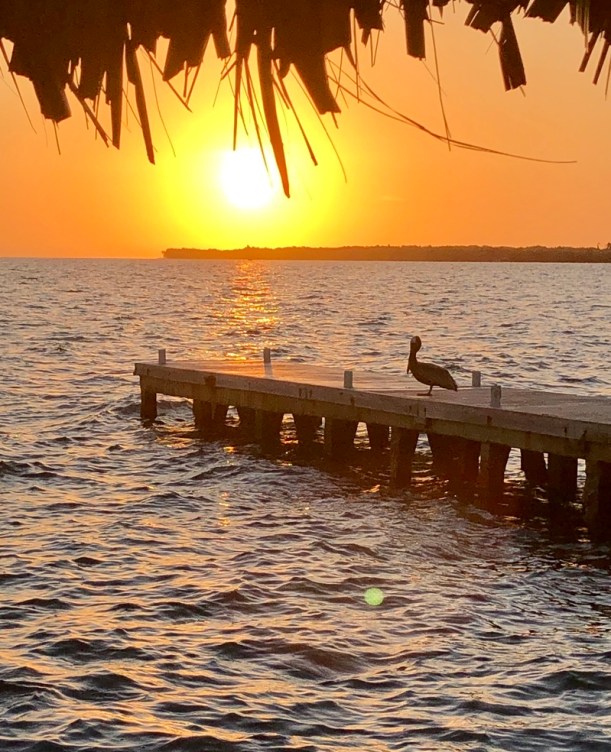
Sunset over Isla Tintipan.


Leave a comment

Jardin, Colombia

Little did we know how impactful our visit to this little Colombian mountain town would be on us. After braving the four hour bus ride through the mountains south of Medellin, over the often unpaved road that twisted through stunning landscapes, dodging landslides that covered portions of the highway in several spots, we arrived into town. Two blocks from the bus depot we found our small hotel that would be home for the next three nights (no way would Heather get back on a bus for the return trip in any less time than that). As we entered, we caught a glimpse of the bell towers that rose from atop the huge cathedral that fronted the main plaza, just half a block away. ‘Beautiful view’ I thought to myself. Later, as those bells loudly pealed the hours, starting at 3am and then erupted in a chorus of ringing announcing the first Mass of the day at 5:45am, I cursed them, and would do so each morning thereafter.

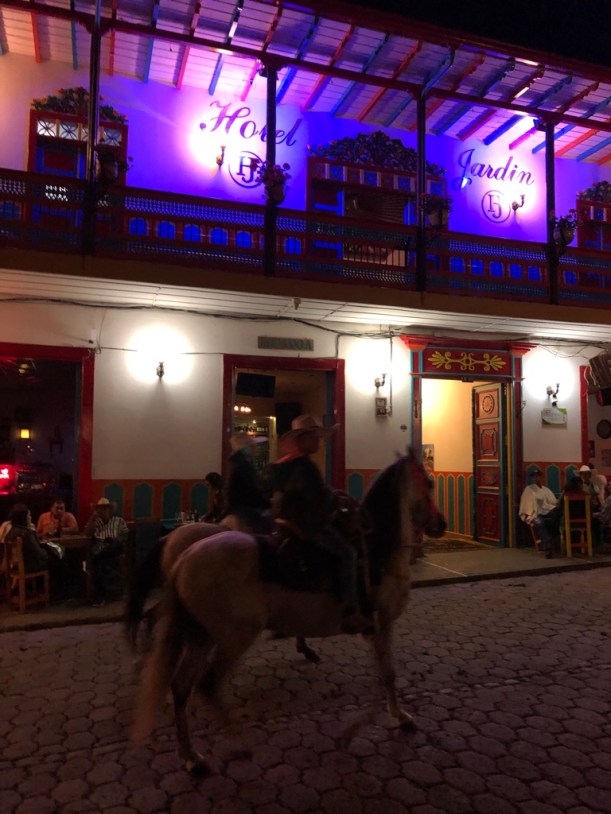
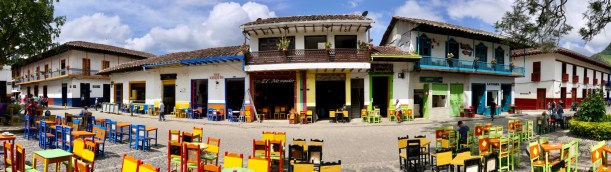
We had read how laid-back Jardin was – a place where the caballeros, the local cowboys, would come to from surrounding areas to socialize, shop and sip coffee at the numerous cafes surrounding the plaza. And it was just as we had read: this small town of 14,000 people had so many cafes and bars around the square, each with its uniquely colored tables and chairs, and each filled with men, dressed in jeans, button-down shirts, topped by a cowboy hat and their poncho folded and draped over their right shoulder, propped back in a little wooden chair, sipping tiny cups of coffee. Later in the day, the coffee cup would be replaced by a bottle of Aguila or Club Colombia, two of the popular beers, or even a small glass of aguardiente, the Colombian anise-flavored spirit. Fortunately, our first night in town happened to be a Saturday, when horsemen and -women ride into the plaza atop their paso fino horses and prance back and forth while the horses exhibit the fast short step for which they’re renowned. As we sat outside of one of the bars, we couldn’t help but marvel at our luck to partake in this small-town tradition, watching a slice of rural Colombian life in a scenic village almost completely devoid of other tourists.

AA0C75BB-38EF-4F05-B184-EE84C185AF2F_1_105_c

Caballeros parade their horses through Jardin.

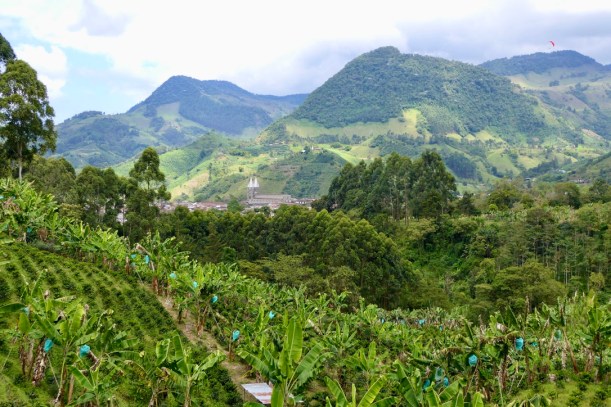
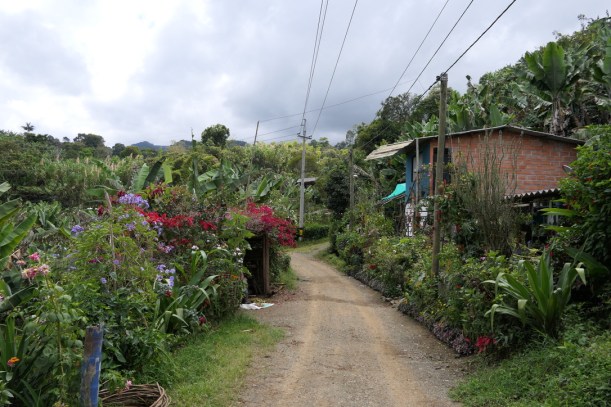
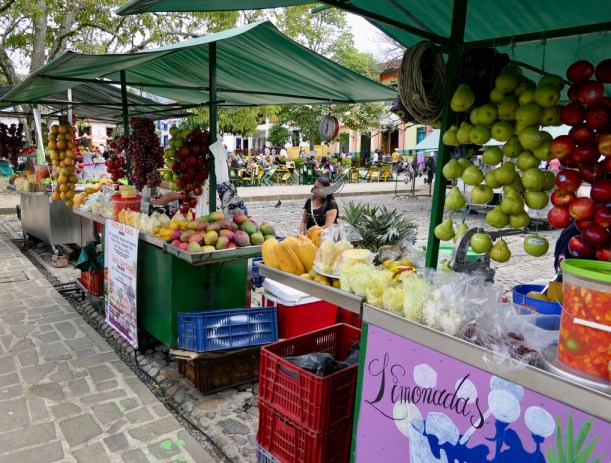
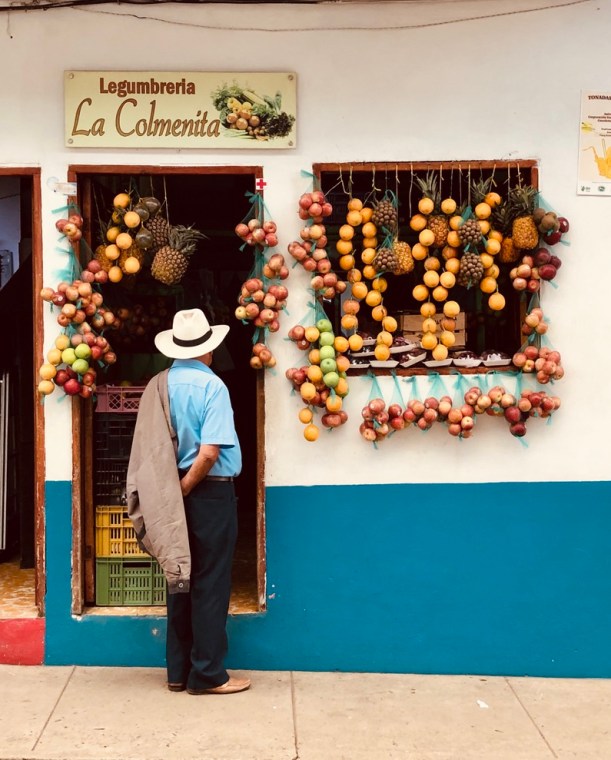
Our first full day we were keen to get in some walking and explore the countryside surrounding town. With Google Maps we were able to find our way to the starting point of the Reccorido Herrera, a walking trail along a cobbled path that took us south out of town past flowering shrubs and well-kept cottages to eventually join a dirt road that followed a river. Just past a pretty little waterfall, Cascada de Amor, we crossed the river and began to climb. The thick growth along the riverbanks eventually gave way to expansive views of the valley that held Jardin. Coffee shrubs and banana trees covered the ground, occasionally broken up by an orange or guava tree, their limbs dripping with fruit, the air scented with their perfume. When we passed a house, it would be nearly covered in potted plants, the yard a profusion of colors from the different blooms. At one, an elderly couple sat together in chairs along the roadside shucking beans together. Without exception, each resident greeted us with an “Hola!” or “Buenas dias!”. We marveled at the friendliness of the paisas, which, even back in Medellin, we had been told were the friendliest of all the Colombian people. As we passed one open field, we stopped to look for the birds we could hear, but not yet see, calling out. As we scanned the trees another walker strode up to us, camera and binoculars both hanging around his neck. An avid birder from Indiana, he enlightened us to the species we were hearing and finally caught glimpses of. “1,900 species of birds in Colombia, more than any other country on Earth!” he chirped (pun intended). Eventually we continued on our separate ways, our path winding downward and back into town. Returning to the plaza we sought out one of the fruit vendor stalls and gorged ourselves on slices of juicy-sweet papaya and mango. Other days we would sample the pineapple or indulge in a glass of fresh-squeezed orange juice. A perfect way to refresh after a sweaty hike.

55A452B0-2AFC-4961-8282-0898C5CE8264_1_105_c

First days hike outside Jardin – folks love their flowers here!

0D45DC73-E4CB-4254-AB5D-E25F4A0B2EBC_1_105_c

Views back to Jardin – coffee and banana plants in the foreground.

0F0D83B0-7B38-417F-B9DC-BA248AFF68DE_1_105_c

Flowers around the homes outside Jardin.

5B7A9BD5-1367-480D-9967-9809585CF27F_1_105_c

Fruit stalls on the plaza.

That evening we dined on roast chicken, steamed potatoes and arepas at a little local hole-in-the-wall, two of us unable to finish all the starchy sides (no way we weren’t finishing off that tasty chicken though) of our $4 meal. Then it was back to the plaza for beer and mojitos. A perfect day!

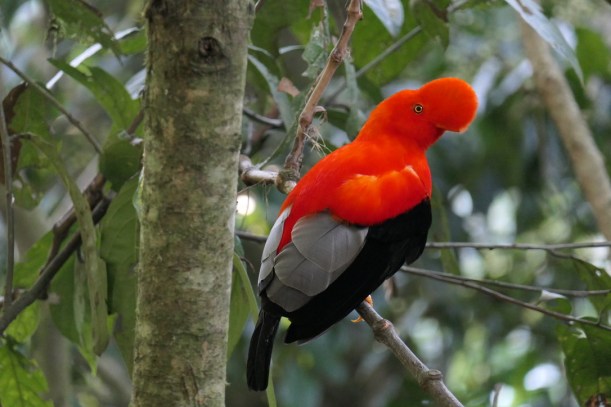
Our last day started with a morning hike up the opposite side of the valley to a lookout back over town. On the way we passed a trout farm (they offered the option to catch your own trout which they would then prepare for your lunch or dinner – too early for us though) and pastures holding cattle and horses before topping out at the abandoned upper terminal of an old cable car. After enjoying the views and fresh fruit juices from a lone cafe, we descended back to town. We strolled the streets to see more of the town’s colorful buildings before making a much-anticipated visit to a small private nature reserve on the edge of town. For some reason, a rare bird, gallitos de rocas, or cock-of-the-rock, returns to a grove of bamboo and other trees next to a woman’s home overlooking the river. At about 4:30 each afternoon she welcomes visitors (and asks for a small fee) to her property to view the birds as they screech and flutter about. Small sitting areas had been built where we, and five or so others, sat and watched as up to ten of the bright-red, fluffy-headed birds frolicked in the trees. A couple other attractive species also made appearances. It was a beautiful sight.

3C3F61DF-B139-4E5A-AB79-12E0E2FEE8DA_1_105_c

On our way out of town, past the trout farm (just below).

808D9AC8-7BA9-4FFE-BA10-6B00096897C0_1_105_c

Colorful Jardin.

2870A4BC-45CB-4FA7-B23A-AF21522F8156_1_105_c

El Balconcito, purveyor of cold beer and tasty mojitos. However, not the most comfortable chairs in the world.

6E9914E5-BACC-45BD-A682-0266220CA9D2_1_105_c

Pano of one side of Jardin’s plaza.

CD10606A-3A57-4F19-ADBC-D97F5494DF62_1_105_c

Gallitos de Roca.