The Rhum Line

The aimless and sometimes muddled route of a traveling couple looking for their next great adventure


1 Comment

More Caribbean Coast in Costa Rica

I felt like we were trying to sleep inside a giant snare drum – such was the sound of the pounding rain on the corrugated metal roof of our cabin in Cocles, just south of Puerto Viejo, Costa Rica. While lying awake, just when you thought it couldn’t possibly rain any harder – the downpour would intensify. Every once in a while a falling coconut would hit the roof, providing the clashing cymbal to the nightlong drum solo. Then, just as it seemed we had fallen back to sleep when the storms abated, dawn brought the raucous chorus of howler monkeys, screeching parrots and squawking toucans. No sleeping in here – such is life in the rainforest.

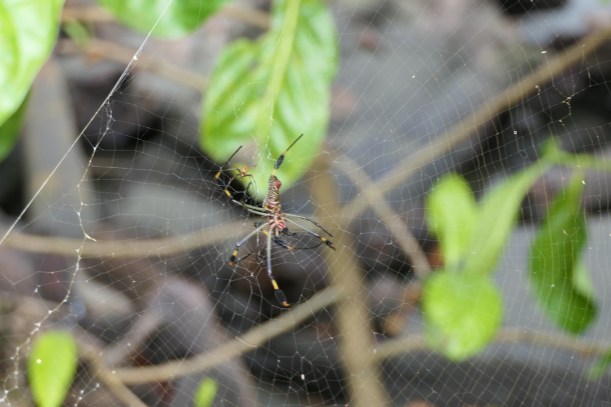
The other thing about the rainforest – bugs. You’re always warned that you’d better be comfortable being in ‘nature’ when visiting Costa Rica. By ‘nature’ they mean bugs. Crawling, flying, slithering, hopping. Drop a cracker crumb or leave a package of snacks open and before you know it a trail of ants have found it. Hole in the window screen – beetles, mosquitoes and crickets will find their way in. In the bathroom you can always count on at least one mean-looking spider setting up shop for the duration of your stay. Due to the heavy rain and the fact nothing ever got a chance to dry out – we had snails appear in our shower.
B28C3EF2-6DDC-4F1D-B5E8-B2D42696CA32_1_105_c

Bad nature.

The unrelenting rain had put a literal damper on our one-week stay. Heading to Costa Rica we had dreams of swimming, snorkeling and walking the long beaches of this stretch of Caribbean coast. But the surf was big enough to swallow the beaches up, huge tree trunks rolled in the roiling waters and the frequent downpours made leaving the cabin a risky proposition. When we did get breaks in the storms we ventured out to the Gandoca-Manzanillo National Wildlife Refuge to walk it’s nature trail where we spotted spider monkeys, strolled along dirt tracks from our cabin to see sloths and, best of all, viewed those parrots and toucans right from the deck of our accommodation. The good kind of ‘nature’.
39587DC3-C5AD-4B62-B721-EB7EEC4A15F4_1_105_c

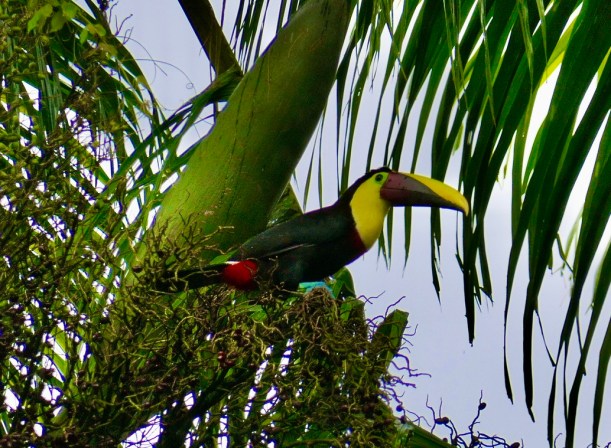
Keel-billed toucan from our deck (good nature).
709C6FC9-E01A-4A7E-B56F-2541D6F1B382_1_105_c

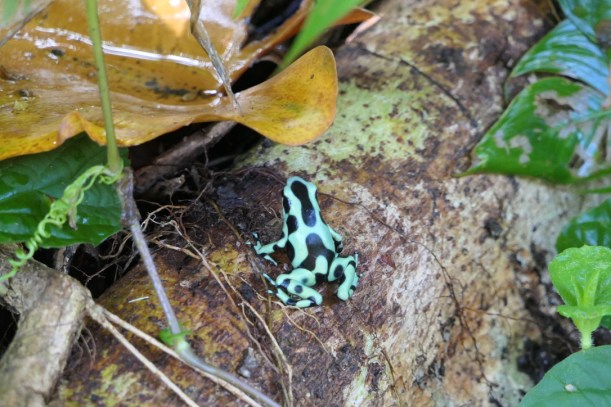
Green poison dart frog.

731CA239-3737-47C7-AA13-0D2B0B200DA8_1_105_c

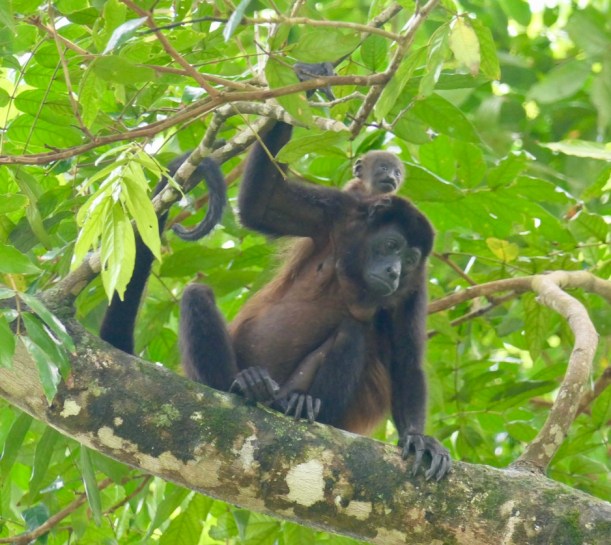
Spider monkey mom and babe.

After about three days of incessant rain (following a week of similar weather back in Bocas del Toro) Heather was yelling at the sky for relief. ‘Can’t fight the weather’ I’d mumble under my breath from my hammock. But by day five I too was standing next to her screaming “Enough already!”

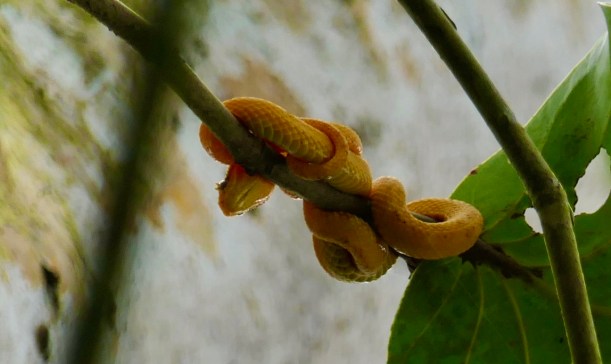
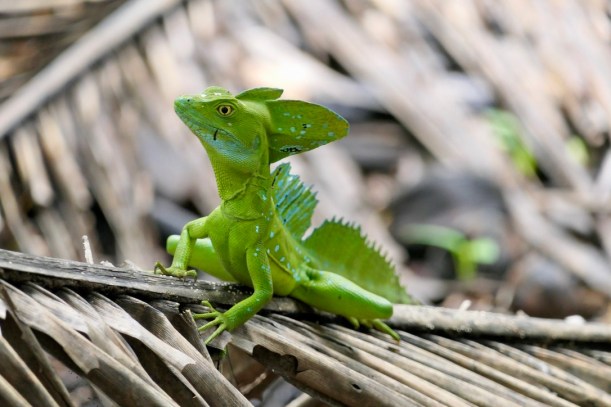
After our wet week in Cocles, we moved north to Cahuita, which sits just outside of the national park of the same name. Once there, a funny thing happened – it stopped raining. For three whole days! We took advantage of our good fortune by strolling through the small town, which is best described as . . . unassuming. Functional, perhaps. Certainly nothing fancy, flashy or overly charming. But it held a small selection of restaurants, a couple grocery stores, and, just outside of town, what seemed like the world’s greatest collection of sloths. They were everywhere. Hanging from the lower limbs of trees, snoozing or moving at the ‘speed of sloth’ as they snacked on leaves. At first we marveled at Carlos’, our guide for our walk through the national park, ability to spot them in the upper reaches of the trees there. Once we learned what to look for, it was easy finding them on our own. But without Carlos’ eyes during our park visit, we surely wouldn’t have seen the yellow pit viper, or the brown pit viper, or the flat-nosed bats or the Jesus Christ lizards that he pointed out to us. He also gave us insights into life in Cahuita before the park, when the area was just another place that lived off the harvesting of cacao and bananas. He also pointed out all the medicinal plants that his mother would gather to treat colds, indigestion, asthma and anything else that his family might have suffered from.

E8B9791A-CC89-4691-B150-B5F5C52F4C5A_1_105_c

Carlos, our guide in Cahuita National Park.
 

0017FC6A-D370-4390-A938-1F1DBC4CE8EE_1_105_c

How did Carlos find this yellow eye-lash pit viper twenty feet up in a sea grape tree?
32DF436E-C3B7-45E4-A578-8ECB3BA5652E_1_105_c

Jesus Christ lizard – so named because they can walk (or run very fast) on water.

7D387B17-A86A-4977-B59B-66431D53EF64_1_105_c

Moving at the ‘speed of sloth’.

ED9CC2E5-3923-45CD-86E9-6AA042F8144D_1_105_c

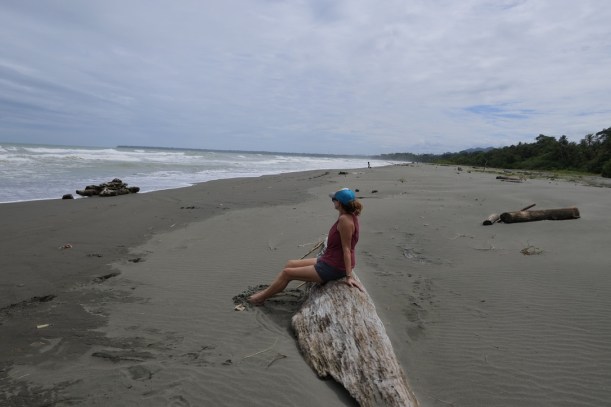
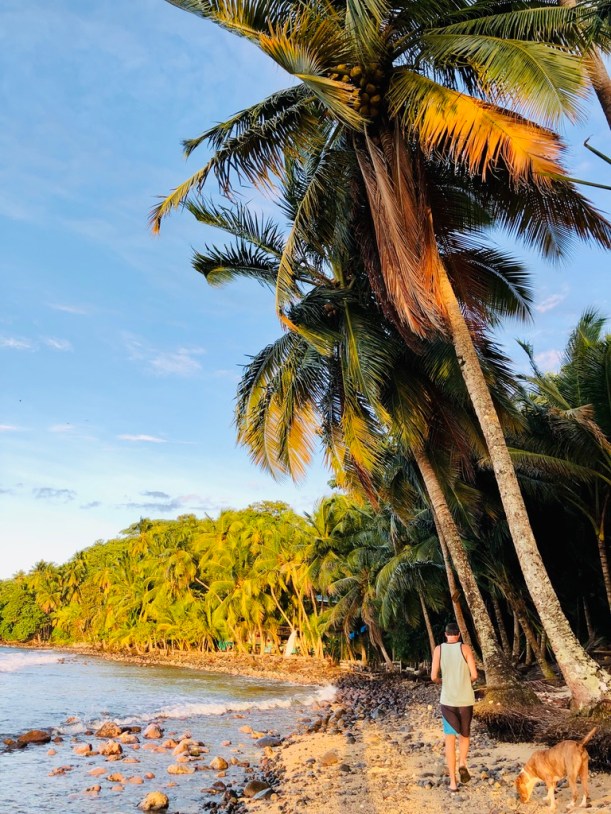
Enjoying some quiet time on Playa Grande outside Cahuita.

While we never did get to snorkel the stretch of coast here, and the heavy rain pushed us to our limits, being immersed in Costa Rica’s nature (the good kind) was immensely satisfying and enjoyable. We also managed to get a nice walk in on the desolate stretch of black sand at Playa Grande and enjoy some drinks at the Reggae Bar (which every beach town in Costa Rica has at least one of). After checking off the sloth, pit viper and a few other animals from the must-see list on the Caribbean coast we’ll head across the country to visit a couple more national parks as well as some Pacific coast beach towns, taking our time, and a cue from our new friends, by moving at the ‘speed of sloth’.


Leave a comment

A Visit To Bocas del Toro

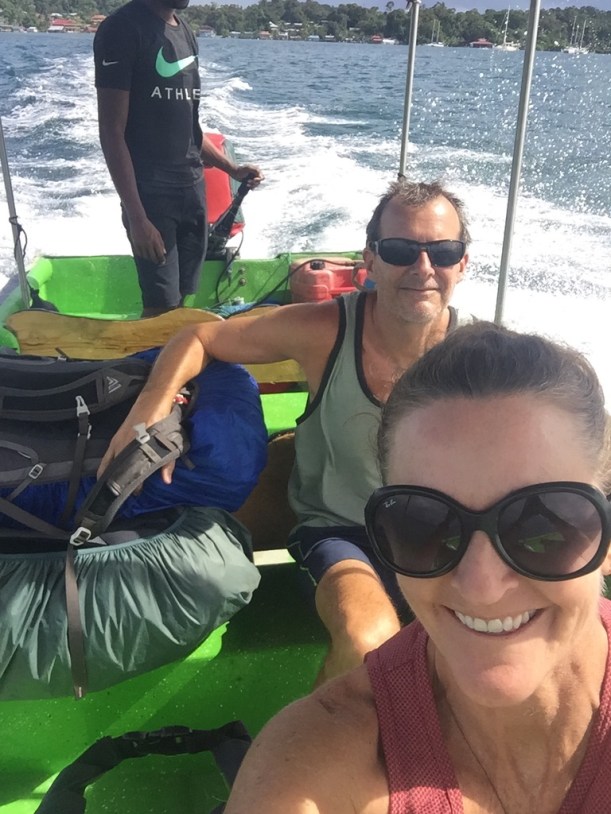
“I think you’re going the wrong way!” Our boat driver waved off our concern about the direction to our accommodation on Isla Solarte, clearly shown on Google Maps, as Heather held out the phone to show him – again. “No, I like to go this way!” he said. As he motored along the southern shore of the island, one of several in the Bocas del Toro archipelago, he asked to see the phone once more. Our location was clearly on the wrong side – Red Hill Villa was definitely on the northern shore. After circumventing the island and it’s profusion of mangrove-filled islets, our lodge came into view. The driver couldn’t help but smile, and we had to laugh, at his refusal to heed the proof of the map. “Free island tour!” he joked as we docked.

CFE4F692-5A1B-426D-9018-5DCCE3C7094F_1_105_c

Water taxi to Isla Solarte – the long way.

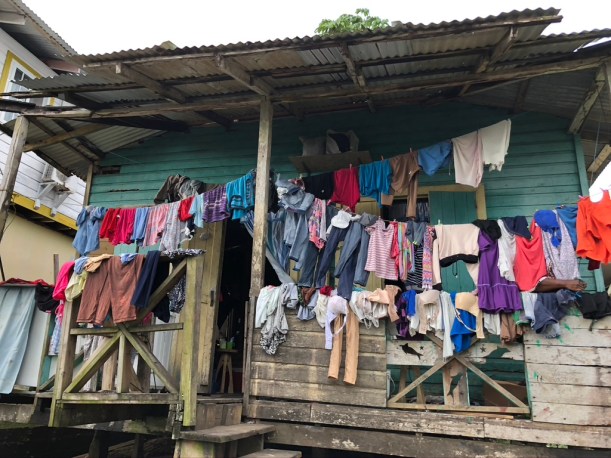
Most visitors to Bocas del Toro base themselves in Bocas town, on Isla Colon, where the mainland ferry arrives. Town offers most everything the young, partying backpacker could want – cheap hostels, cheap eats and cheap happy hours along with overpriced waterfront pub crawls and packed-boat island tours. Heather and I were looking for something different. Exotic wildlife was at the top of our list. We had picked two outer islands for stays of three to four days each: Bastimentos, which offered hike-to only Wizard Beach, popular Red Frog Beach for the wildlife and the village of Old Bank for access to restaurants and basic groceries (beer and wine). We also chose Solarte, which offered a fairly comfortable and totally secluded lodge with paddle boards, kayaks and a dock for relaxing over the water. Upon arrival to Old Bank we were a bit disappointed with our choice – the village was fairly decrepit, the homes along the waterfront were surrounded by trash and the restaurants seemed to be offering nothing more than the basic fried chicken/two starch meals common throughout rural Panama. Our lodge was rustic, to be kind, but the owners were real friendly and trying their best with what they had. But truth be told, the place really grew on me. Not town – that was still disgusting. Not the food – that was still bland and boring. But our lodge had a certain shabby charm to it (Heather never really came around). When we weren’t hiking to the remote beaches through the islands jungle interior, or walking into town for yet more beer, we relaxed in hammocks and played with Mommy, the lodge’s dog, watched sunsets and enjoyed conversation with the other guests. The best part for me, though, was the view from our room’s window just before falling asleep or after waking up. Just past the sea grape and coconut palms the sea crashed against the rocky beach and a nearly full moon painted the water’s surface a beautiful silver throughout the night.

526B2814-01D9-4D9F-8C60-C4E5E57E6AA4_1_105_c

Laundry day in Old Bank.

21FFA8B2-989F-44D9-A2E6-B390478395D2_1_105_c

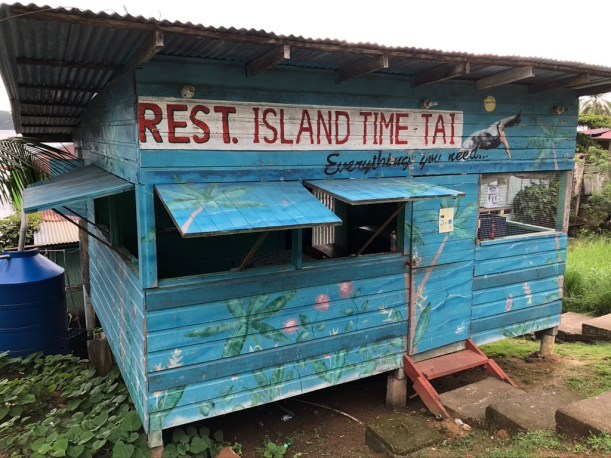
The restaurant scene in Old Bank.

C71ABF2F-CA69-4072-B015-CEEB1DE56B91_1_105_c

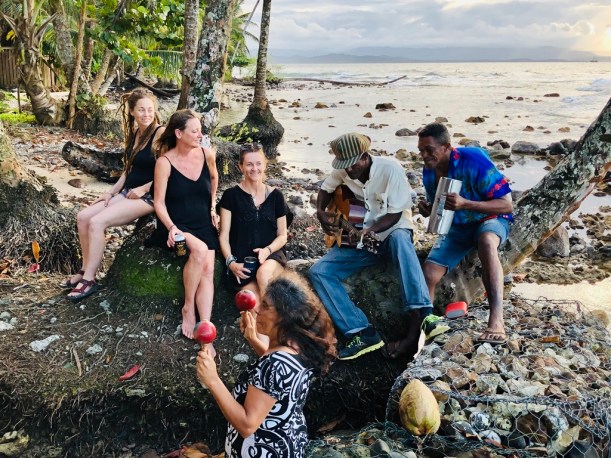
An impromptu jam session with ‘Calypso Joe’ at sunset outside our lodge.

E0C670AA-B946-424C-976D-945B31940445_1_105_c

Taking a stroll with Mommy along the beach on Bastimentos.

4ED4B87B-1861-4134-B1C5-B3DA1D978EC0_1_105_c

Deserted Wizard Beach on Bastimentos’ north shore.

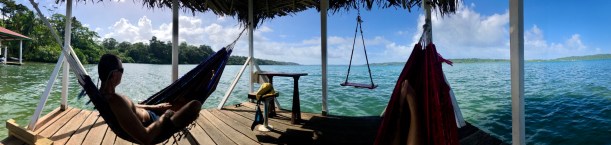
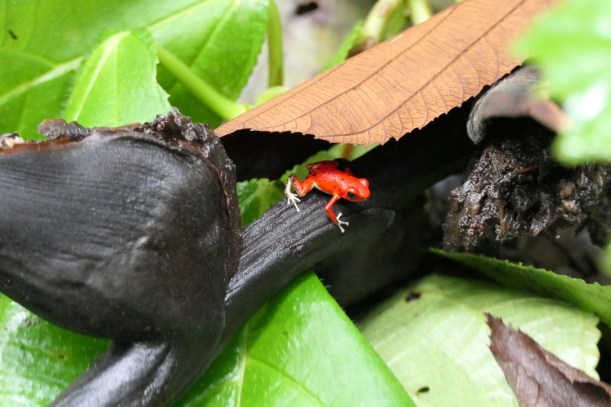
At Red Hill Villa on Solarte we also encountered amiable hosts (David and Inga from Hungary!) and enjoyed hammock time on their dock (in the breeze and away from the bugs) along with Blacky, the lodge dog. We were able to paddle each morning before breakfast and access Red Frog Beach (it was actually closer to us here even though it was across the channel on Bastimentos). David ran us over in the lodge’s small skiff a couple times (spotting dolphins each trip) then we would cross the island on a paved path to the beach on the northern side. While the beach wasn’t swimmable due to rip currents and raging surf, a decent beach bar offered reasonably priced drinks, passable fish tacos, and, on our second visit, an amazing grilled lobster for lunch. But the highlight of each visit to Red Frog beach (I did mention the lobster, right?) was the wildlife encountered on the walk over. The area is known for hosting sloths and red poison-dart frogs. To say Heather was excited to get here and see these creatures would be understating the case. She had been talking about sloths since we started planning this trip back in the summer. So far, through out Panama we had not been able to catch sight of one. But Red Frog beach did not disappoint. The furry creatures could be seen in the trees feeding on leaves or napping on each of our visits. We also had good luck in spotting the namesake red frogs as well. And that’s no easy task as the critters are no bigger than the size of a thumbnail and like to hang out amongst all the debris on the floor of the rainforest.

ECF5ECFF-94D1-4933-B496-AD81D20850B5_1_105_c

The view from the dock at Red Hill Villa.


70F2A0FC-16F4-4B23-A274-301FA2C31C91_1_105_c

Red Frog beach – pretty, right? There’s a beach bar down there somewhere.

3B09A99A-3B95-4385-B10E-40B102B4A66D_1_105_c

Three-toed sloth on Isla Bastimentos.

D1C9C5CE-436D-48A7-A369-AB62DA669E8F_1_105_c

Tiny little bugger!

A week in Bocas put the wrap on the Panama leg of our winter trip. We felt quite happy with our visit to Panama – sailing and snorkeling the San Blas islands; extended beach time with retired Canadians in Coronado; mountain hikes and craft beer in Boquete and finally sloths and frogs in Bocas. Our next stop will be just across the border – Costa Rica awaits!


Leave a comment

Journey To The Center

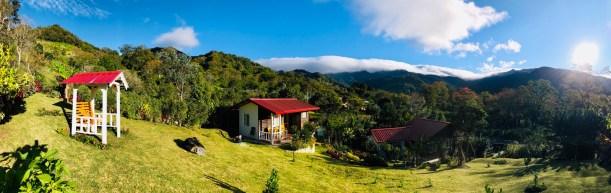
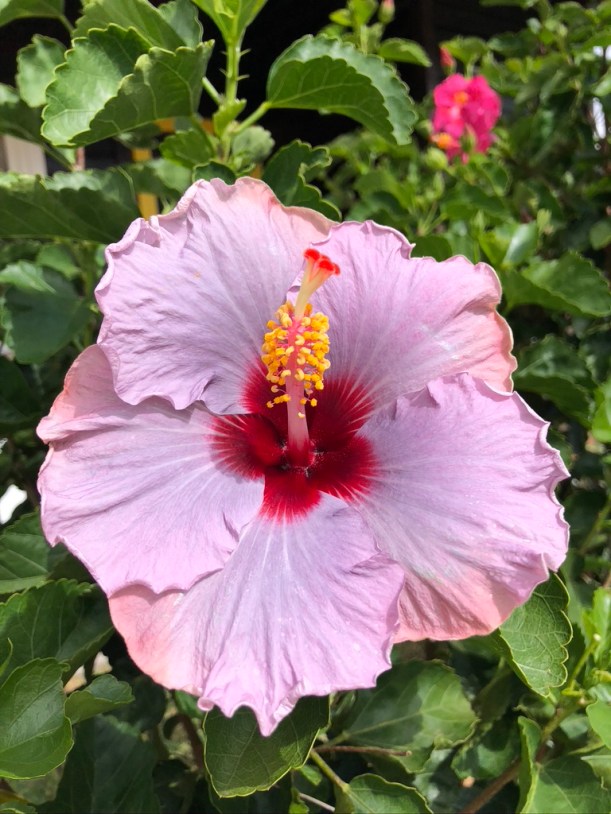
Our bus had turned into a sauna. What had started out as a slow, cramped, over-packed ride on an old school bus from David to Boquete had just taken a turn for the worse. The rain clouds we had seen hovering over the central mountains had moved our way and, once it began raining, the bus attendant had insisted everyone shut the windows, closing off what little air movement had been keeping it nominally comfortable on board. Immediately the windows steamed up. My shirt was stuck to me like a second skin. As before, the oversized handbag of the woman standing in the aisle next to me banged the side of my head each time we rode over a pothole. Panamanian roads have lots of potholes. After an hour we mercifully arrived in Boquete. Heather peeled herself out of her pooled sweat and I unstuck my knees from the seat back in front of me. We collected our bags, stretched our limbs and waited for our Air B&B host, Katrina, to pick us up as planned. Soon after she arrived and we loaded our bags to begin the ten minute drive out of town to her home and our cottage. Katrina, born and raised in the UK, had been living in Panama for forty years and offering the Sunshine Cottage for rent for the last four. As is so often the case when traveling, low times are soon followed by high times. Arriving at the cottage we marveled at the blazes of color in her perfectly-tended garden (remember, she’s English, so it’s not a ‘yard’) and the stunning views to the nearby mountains. Hisbiscus, the largest blossoms I’d ever seen, of yellow, scarlet and purple; hydrangea; citrus fruit and banana trees; foliage of all shades of green were all in perfect order. While the rain had passed, low-lying clouds still draped the tops of the mountains and crept fingers down some of the slopes to the valley. The cottage itself was charming – a terrace held a table and chairs, the bed was soft, the tiny kitchen had all the essentials (including a fresh baguette and a small jar of homemade jam) and the shower offered hot water and plush towels. As it turned out, we spent nearly as much time sitting on that terrace, taking in the views and enjoying the riot of color in the garden as we did exploring town or hiking the hills. Katrina offered advice on several walks available right from the property, told us how to use the collectivo, or local minivan service, to get to and from town and gave us a rundown on her recommended restaurants before taking her leave.  Once back in town we found the Boquete Brewing Company and ducked inside to check it out. It offered a pretty impressive selection of craft beers, the smells emanating from the food truck adjoining the outdoor patio promised tasty grilled burgers and fries and the speakers played a cool mix of Ramones, Lou Reed and Elvis Costello. A nice end to the day.

FB27F936-AC1B-43A9-9689-3394B3260F71_1_105_c

Sunshine Cottage nestled in Katrina’s garden.

4887D28F-1328-4C4D-AC2B-00C89D7C460F_1_105_c

HUGE hibiscus blossom.

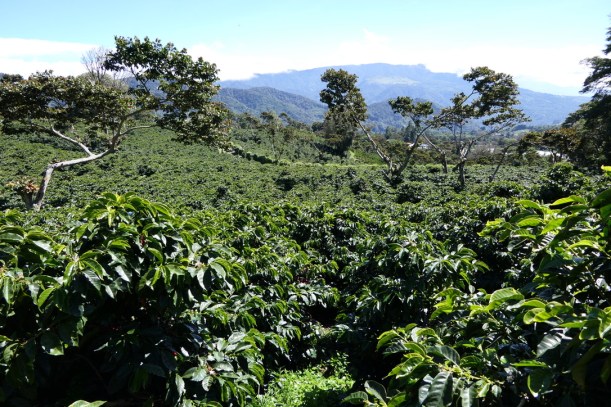
After breakfast at the cottage we followed Katrina’s advice and took to the hills. A two-track trail a couple minutes walk from the property took us up through the grounds of an abandoned coffee plantation. While the coffee plants were overgrown with weeds and vines, they still were producing berries. It seemed sad to think that all that coffee would probably eventually rot on the branch. As we rose in elevation the views of the surrounding mountains improved. Passing beyond the plantation we entered the rainforest. Huge trees were cloaked in vines, cicadas filled the air with their call and the ground was covered in thick broad-leafed foliage. Continuing up the trail we entered a small banana plantation, then passed a couple cottages. As we walked by several children came outside to gawk at the visitors and greeted us with “Hola!”. We eventually reached a saddle giving us views into the next valley (which we would hike the next day) before turning back to retrace our steps.

84912A59-4AE1-4962-807D-D474A01ABEB7_1_105_c

Looking past coffee plants and rainforest to Boquete’s mountains.

C3418038-0DA8-4179-883F-552CC240619D_1_105_c

Headed through the rainforest.

698959DE-0447-482B-A252-E57DB172699C_1_105_c

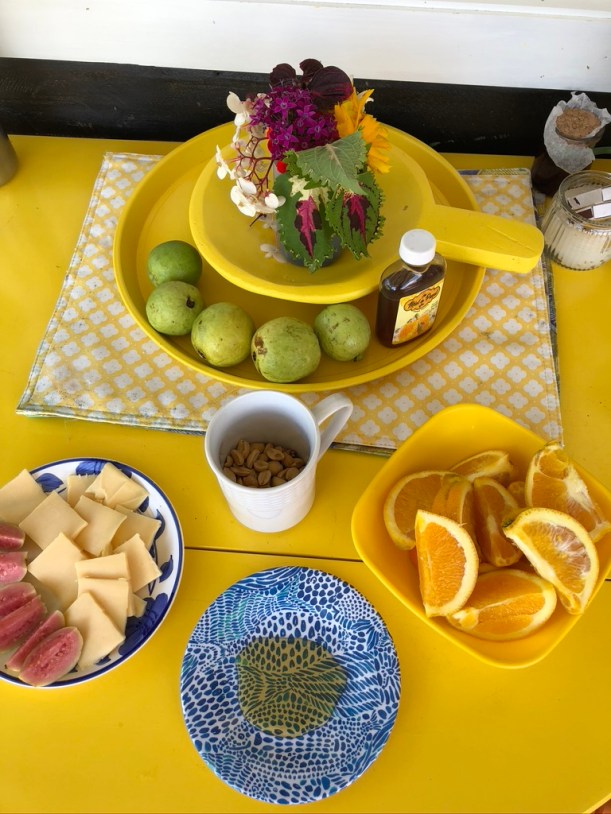
Afternoon snack of fresh guava and oranges picked during the day’s hike along with store-bought cheese and nuts and honey from the El Valle Sunday market.

That evening we dined at one of Boquete’s newest restaurants and were overjoyed at finding really good Panamanian food. So far the food had been uninspiring, if not filling, due to the custom of serving heaping portions of at least two different starchy sides – rice, fried potatoes, yucca or plantains. But at Donde Giselle we dined on a rich soup of potatoes, onions and fall-off-the-bone chicken, as well as a house specialty consisting of rice, beans, ropa viejo (literally meaning ‘old clothes’ – slow-cooked shredded beef with onions, peppers and carrots) and fried plantains wrapped in a banana leaf. While still starch-heavy, it was tasty starch and the meats were delicious. The best glass of $4 wine Heather had had in two months and the cheapest restaurant beer I’d seen rounded out the best meal so far in Panama. The trend continued the next night at a farm-to-table restaurant where we splurged on organic roast chicken (again – falling off the bone) and a double-cut pork chop with assorted vegetables and imported wines. Food that was so good we returned the following night as well.

ADB405BE-FCD7-4F75-A350-AD88D99C6862_1_105_c

Coffee beans drying in the sun at Finca Lerida, site of our second hike.

762C631E-128F-4B77-974C-86553AFEC7D9_1_105_c

A healthy crop at Finca Lerida.

Our plans for a hike on our final day were dashed by high winds and slashing rains. We were consoled by holing up in our little cottage reading and doing trip research. Had it not been for a reserved room waiting for us in Bocas del Toro, we gladly would have stayed on in Boquete to enjoy Katrina’s hospitality, the magnificent garden and views surrounding the Sunshine Cottage and the amazing food on offer in Boquete town.


Leave a comment

A Perfect Place For The Holidays

We had spent the previous month traveling across Colombia, sailed across a small corner of the Caribbean to Panama with family and new friends, and spent one last night out in Panama City with those folks before we all went our separate ways. Now we wanted a little ‘down time” (I know, our whole life seems to consist of ‘down time’), preferably with a beach, some palm trees, no crowds, and, hey, while I’m wishing, how about a swimming pool. Asking for too much? Maybe. Anyway, we happened upon a town about an hours ride west of Panama City called Coronado. Online research described the beach as one of Panama’s most beautiful, lined with pricey second homes and a magnet for North American ex-pats. We found this to be pretty accurate. The beach was gorgeous – a mixture of black and white sands stretching for miles with the calm waters of the Pacific lapping at it’s shore; there were definitely some HUGE homes along the beachfront – and just about every one of them was empty (at least until New Year’s Eve); and there certainly was an ex-pat community – we had definitely found Canadian Florida (pickle ball anyone?). Oh, and the charming little casita we rented for two weeks – located, along with three others, around a lush yard brimming with tropical foliage, hammocks, a ping-pong table and a . . . pool! Paradise indeed.

2FDF5ED7-0DF4-46ED-AF67-C763F57FE3DC_1_105_c

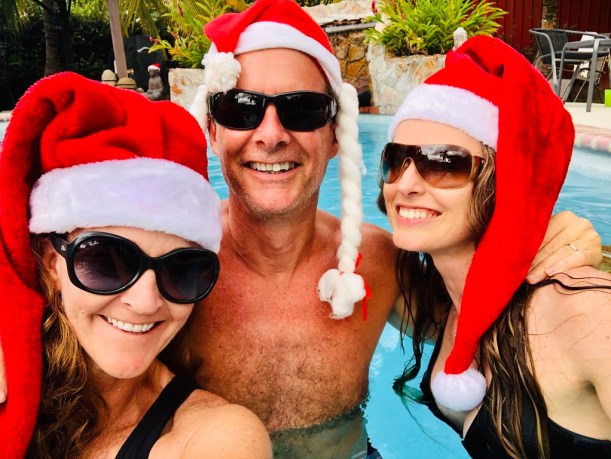
Christmas pool fun with our friend Rene.

5959A86B-7D3B-468B-AF0D-7C210F8DBC3D_1_105_c

Playa Coronado – empty beach and empty homes – all ours!

Our Coronado accommodation was run by a Canadian woman named Panama Sarah. She certainly lived up to her ‘super host’ tag on Air B&B, given to those owners who provide the best customer service. Need a cooler for the beach – got that. Don’t want to lug groceries back from the store under the hot sun – there’s a golf cart for that. Wondering where to watch the highly-acclaimed New Years fireworks – here’s a key to get you onto the rooftop terrace of the 24-floor beach-front condo tower giving you 360 degree views of fireworks in every direction. Super host indeed.

Our days were spent lounging by the pool if we weren’t walking the beach, or swimming in the ocean, enjoying sunsets or exploring with the golf cart, or traveling further afield by rental car to other beach towns like Santa Clara, Farallon and Buenaventura, or getting up into the mountainous interior to El Valle to visit the Sunday market which offered locally-grown produce and fruits, honey, baked goods and handicrafts. I also discovered Heather’s REALLY competitive side at the ping-pong table as she got increasingly frustrated at being unable to defeat me even once. Admittedly, she was very good for never having played before. I waited until the next-to-last day of our stay to divulge the fact that I grew up with a table in my home, playing regularly for years.

851D0B94-E1CD-4C58-9F60-0D135ECAEC1A_1_105_c

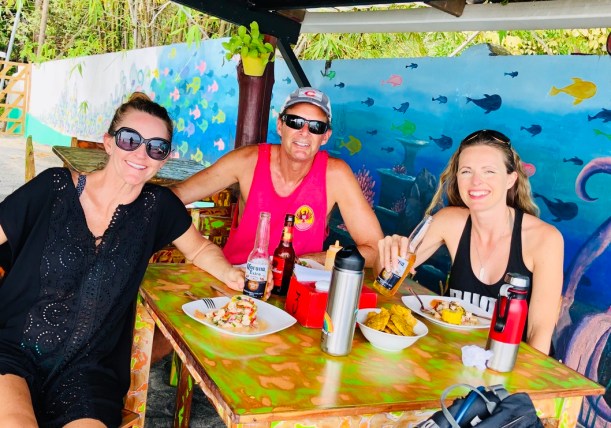
Enjoying ceviche at Playa Farallon.

A3D6FA7A-6F8E-473F-B417-BE832E51C4DA_1_105_c

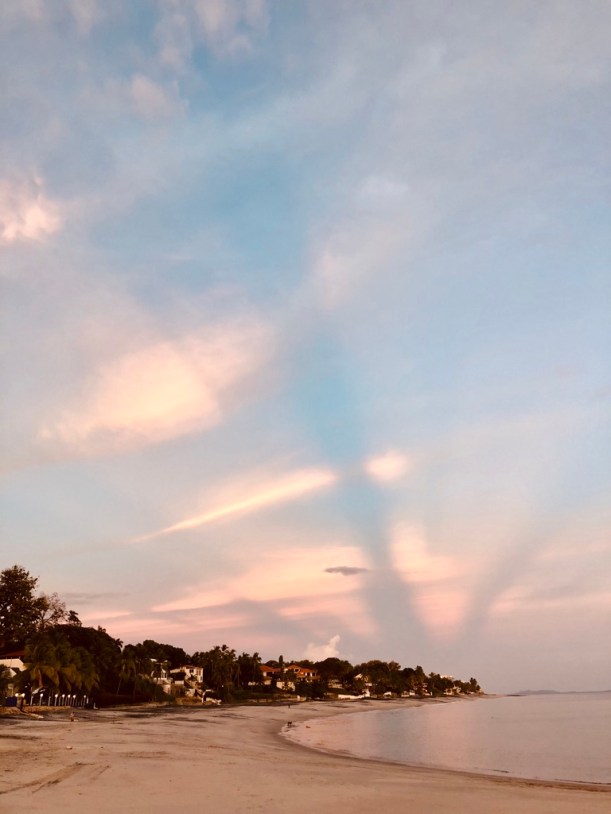
A Coronado sunset.

At the close of two weeks we were definitely sad to be leaving, but it was time to get back on the road. Coronado had filled the bill, giving us that much-anticipated break, recharging our batteries, allowing us to make some new friends and do a fair bit of trip-planning for the rest of Panama. Our next stop will be the mountain town of Boquete. When asked about catching a bus there, folks in Coronado told us “It’s easy. Just go out to the highway and stand on the side of the road, then wave your arms when you see a big bus, going very fast, that you think might be going to in the right direction. And hope it stops.” Easy, indeed.