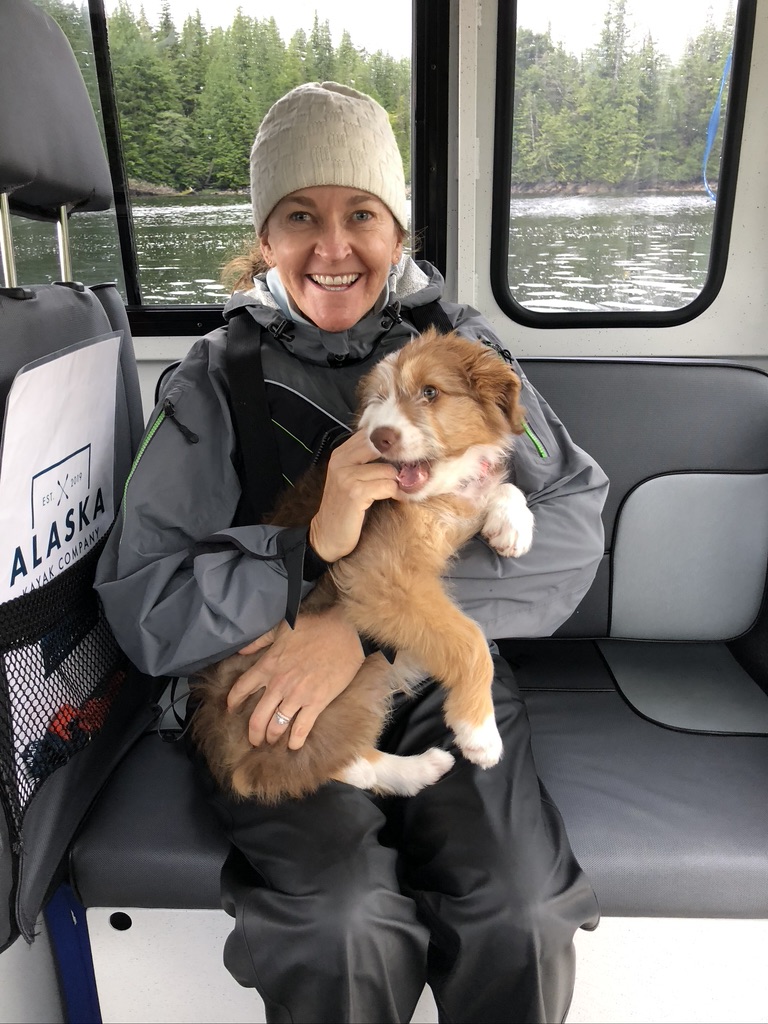
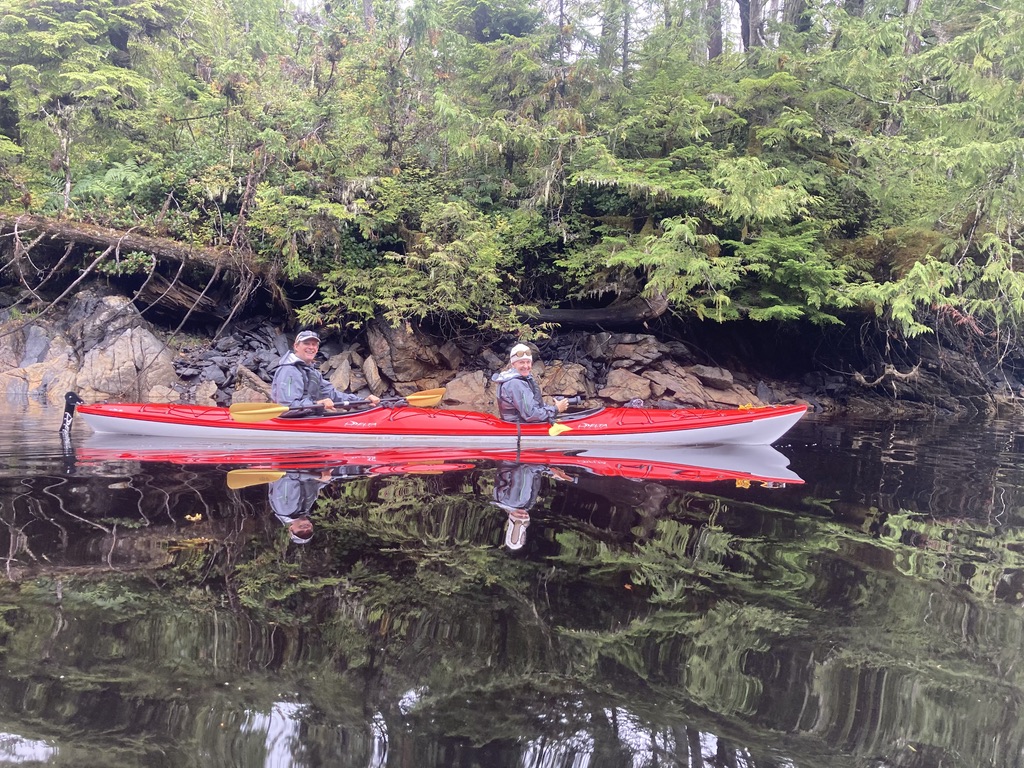
To say Tim and Mary from the Alaska Kayak Company are enthusiastic about ‘Southeast’, as local Alaskans call the Inside Passage, would be an understatement. They are authorities on all things in and around the waters that surround the beautiful islands of this area and love to talk it up. A question about commercial fishing? Tim will happily expound on the business. The timber industry? He’s got plenty to say (and apologizes for being so harsh). Birds, fish, whales, bears – reeeaaally loves to talk about them. Mary expounded on the local school system (she’s a science teacher there), the history of the area’s Native populations and her recent efforts to smoke and can the various types of salmon the couple catch in their free time. The four of us were experiencing another stellar Alaskan day – sunny skies, warm temperatures and light winds that were perfect for our three-hour kayak tour of the inlets and coves just south of Ketchikan. The weather was all the sweeter given that the forecast had predicted rain for our tour day right up until the previous evening. It made for the perfect ending to our 18-day trip to the ‘Last Frontier’.
Ketchikan is a little town – though it’s population of just under fourteen thousand folks ranks it as the state’s fourth largest city and is home to a busy cruise ship port. The area around the docks is lined with the typical cruise port trinket shops, jewelry stores and tour operator stalls, interspersed with dive bars and restaurants offering fresh Alaskan seafood. COVID killed the cruise business last year and ships had just started returning to Alaskan ports during our visit. The disruption in business forced small operators like Tim and Mary to cater their trips to the few independent travelers that came last year, and they’re much happier for it. Accepting a maximum of only four guests per trip (Heather and I were the only ones this day) helps them offer a more intimate experience customized to that day’s guests desires. Having their adorable eleven-week old puppy ‘Mudpuddle’ aboard didn’t hurt either.

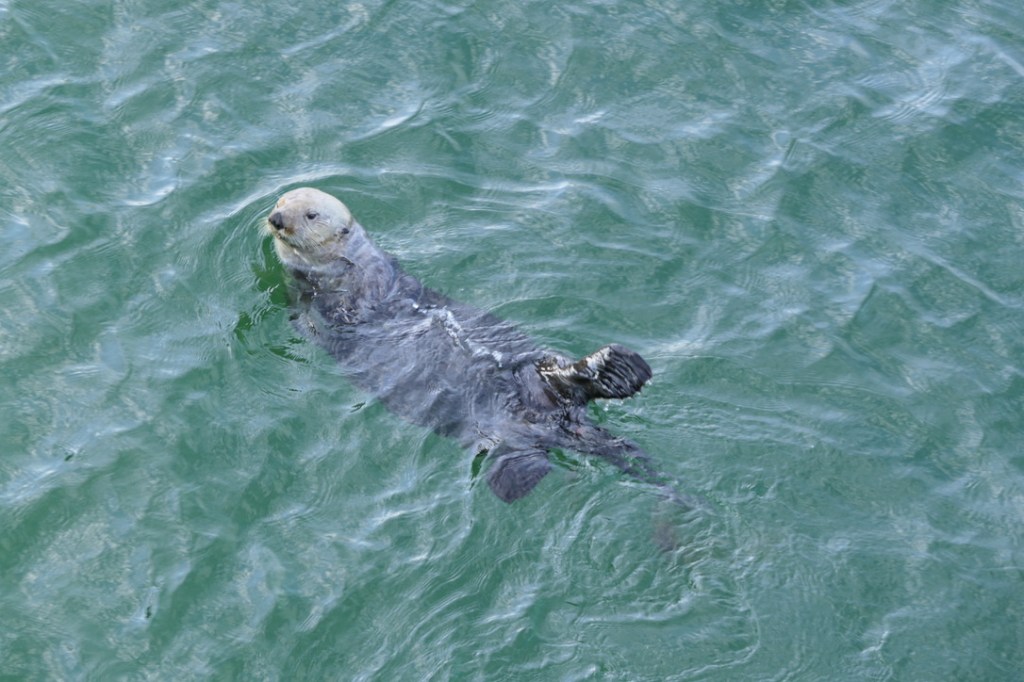
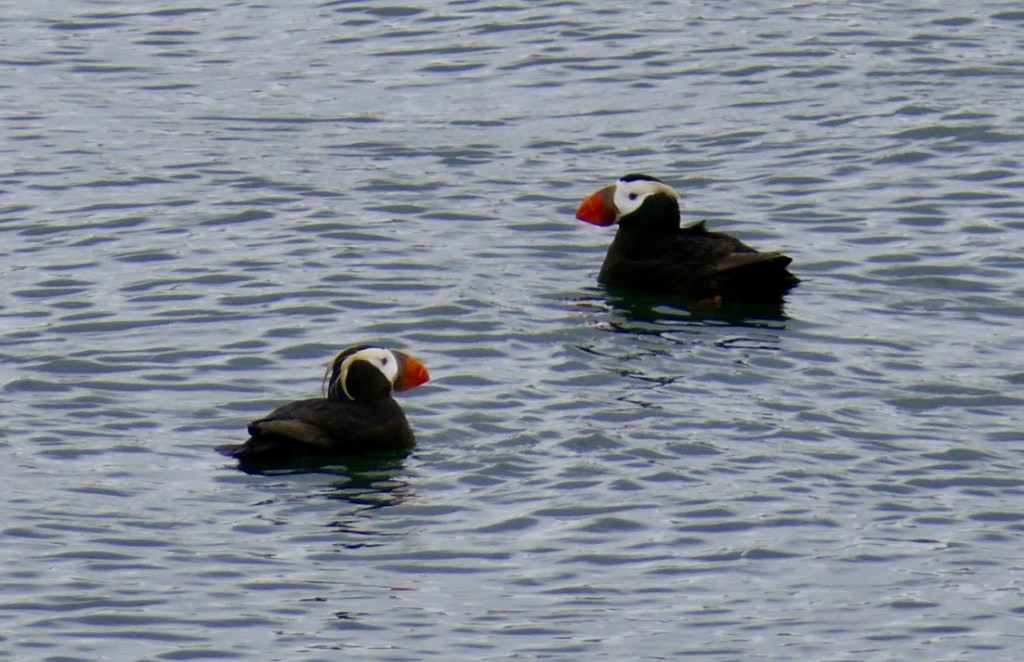
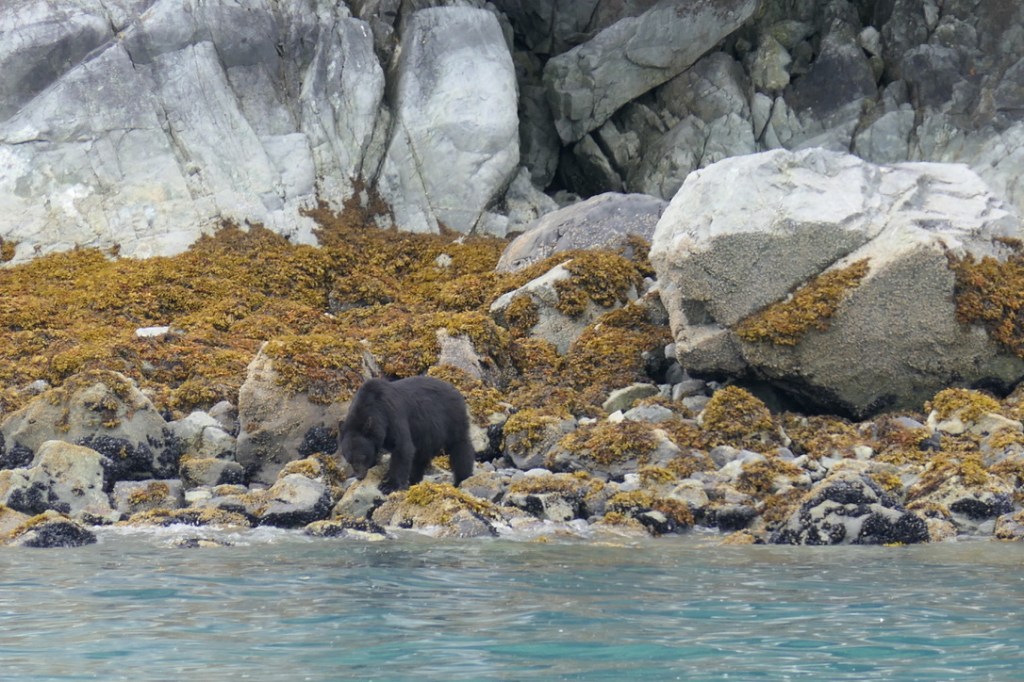
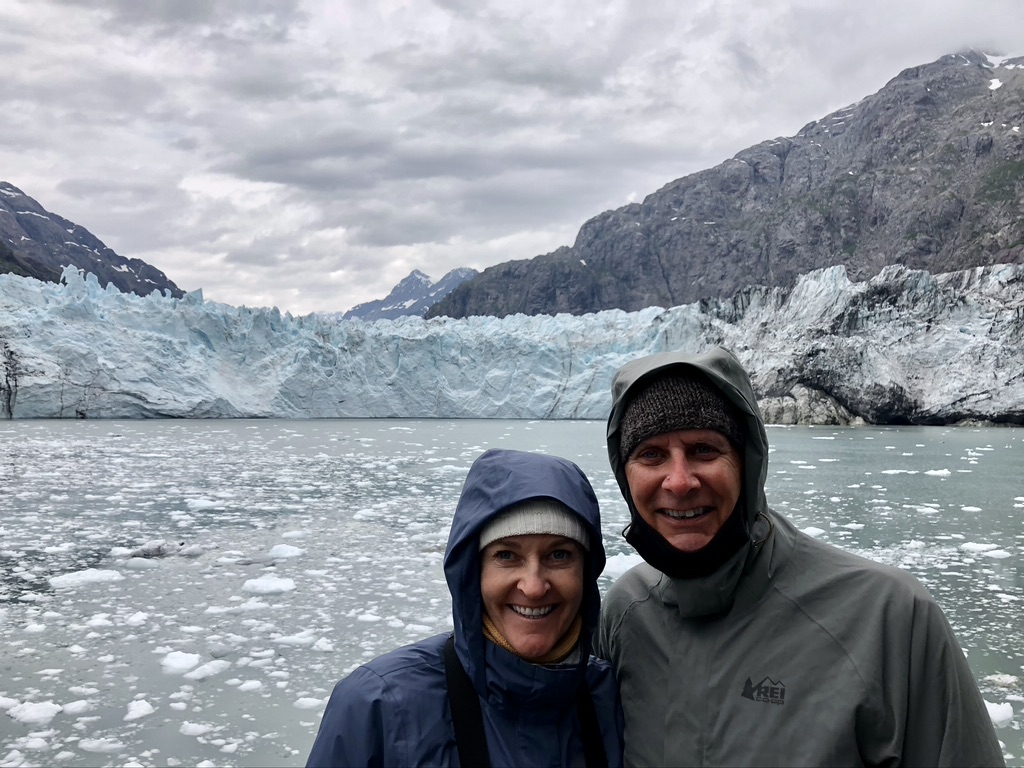
The final leg of our trip started five days prior with a stop in Glacier Bay National Park and Preserve. Arriving on a short flight from Juneau we were shuttled to the Glacier Bay Lodge, which sits right on the waters of Bartlett Cove at the southern end of the bay. It would be a convenient base (if only for one night) to explore the bay aboard the only boat tour allowed in the park, which departs from a dock just below the lodge. Bright and early the next morning as we headed to the lodge’s dining room for a quick breakfast, we stopped to watch a mother moose and her calf grazing just steps from the restaurants front door, before moving off into the thick woods. We were seated at a table just in time to hear the folks sitting next to us lament that they had yet to see a moose during the entirety of their eight day Alaskan trip. We didn’t have the heart to tell them of our sighting moments ago (that brought our total to 13). After breakfast we boarded the high-speed catamaran and set out into the waters of Glacier Bay. The onboard National Park naturalist offered commentary on the ecology and geology of the park, the history of the Natives who first inhabited the area, the arrival of Western traders and trappers, and provided plenty of information on the wildlife. And there was plenty of wildlife – harbor seals played in the waters of Bartlett Cove as we departed, sea otters floated on the waters surface near the shoreline, puffins and other seabirds populated the rocky islets we passed, humpback whales could be seen spouting and flicking their tails in the distance (the whales were in protected areas of the bay which prevents the boat from altering it’s course to get closer to them), brown and black bears prowled the rocky coast and mountain goats appeared unfazed as they clung to steep rocky faces that dropped precipitously to the waters edge. The final attraction was arriving at the face of the immense Margerie Glacier, a 21-mile long tidewater glacier at the northern reaches of the bay.

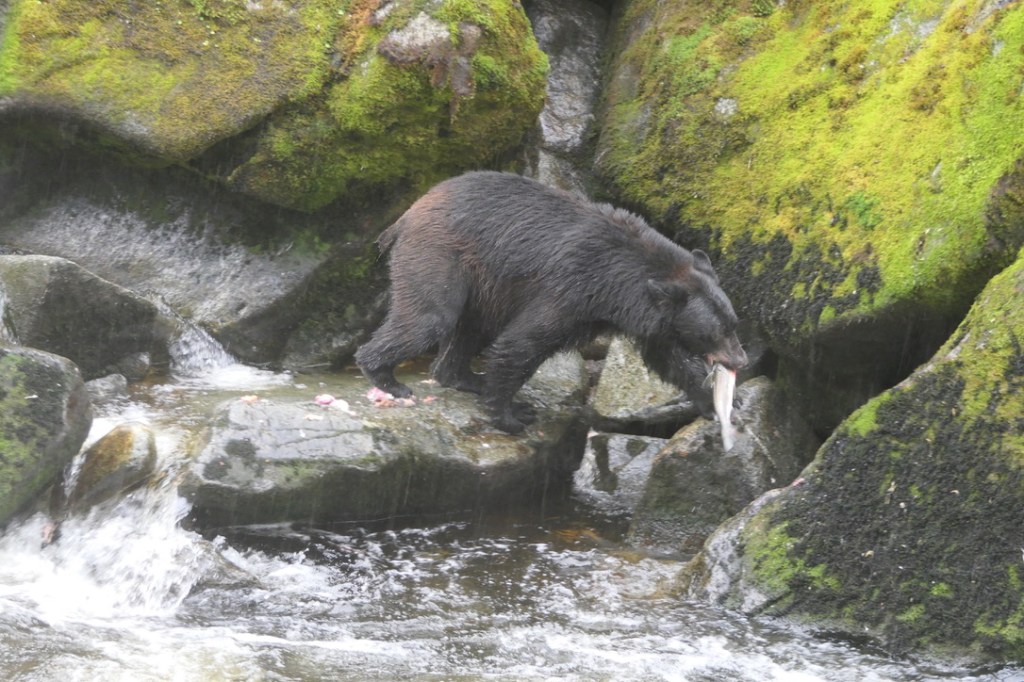
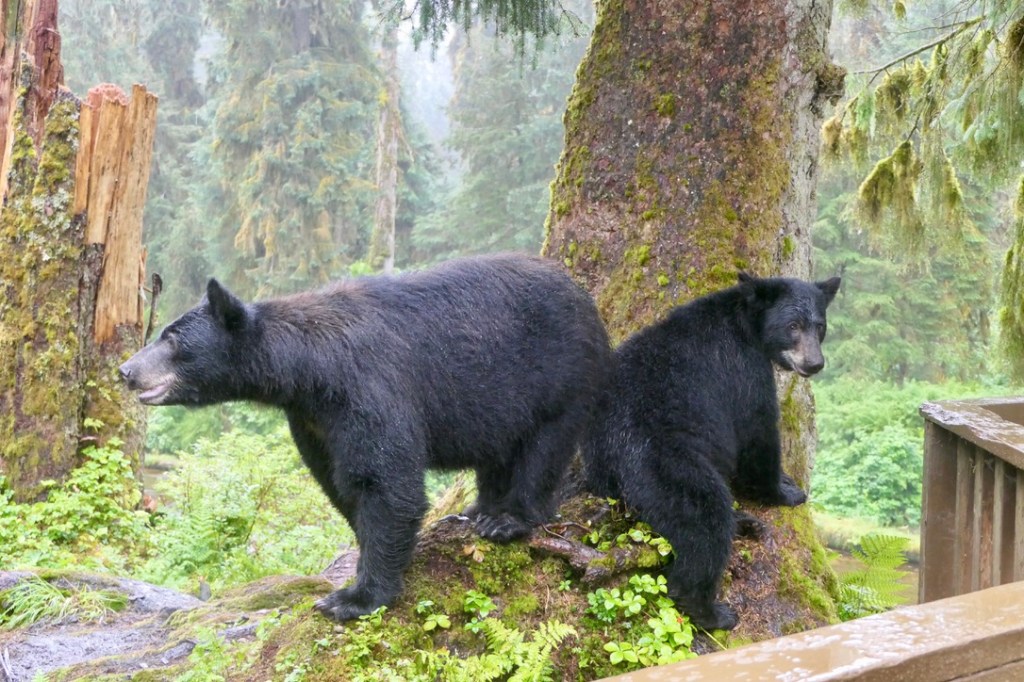
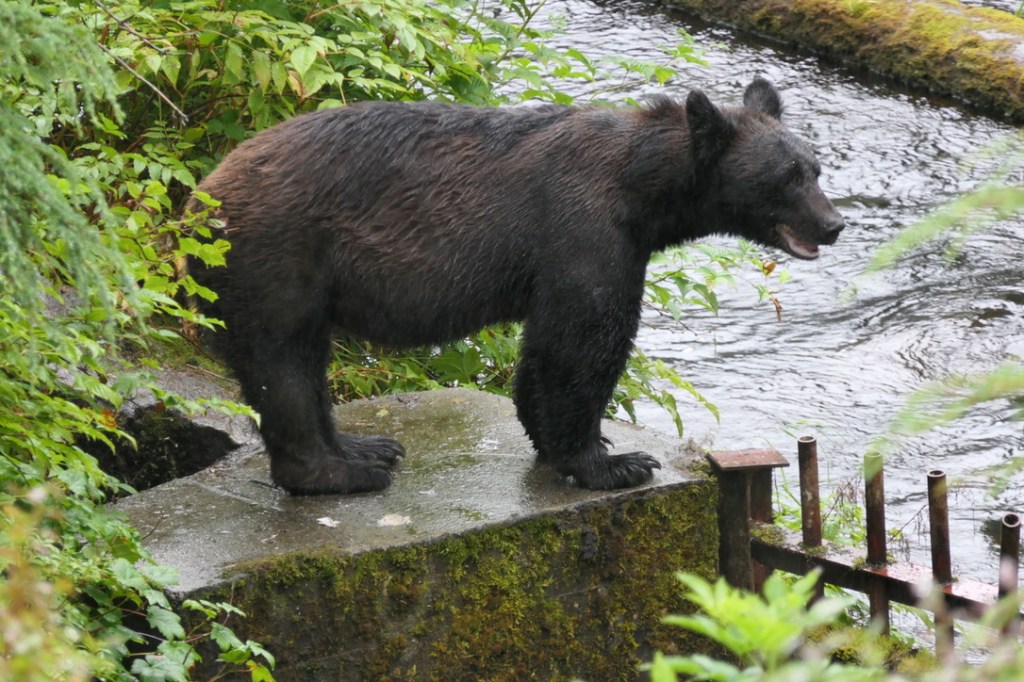
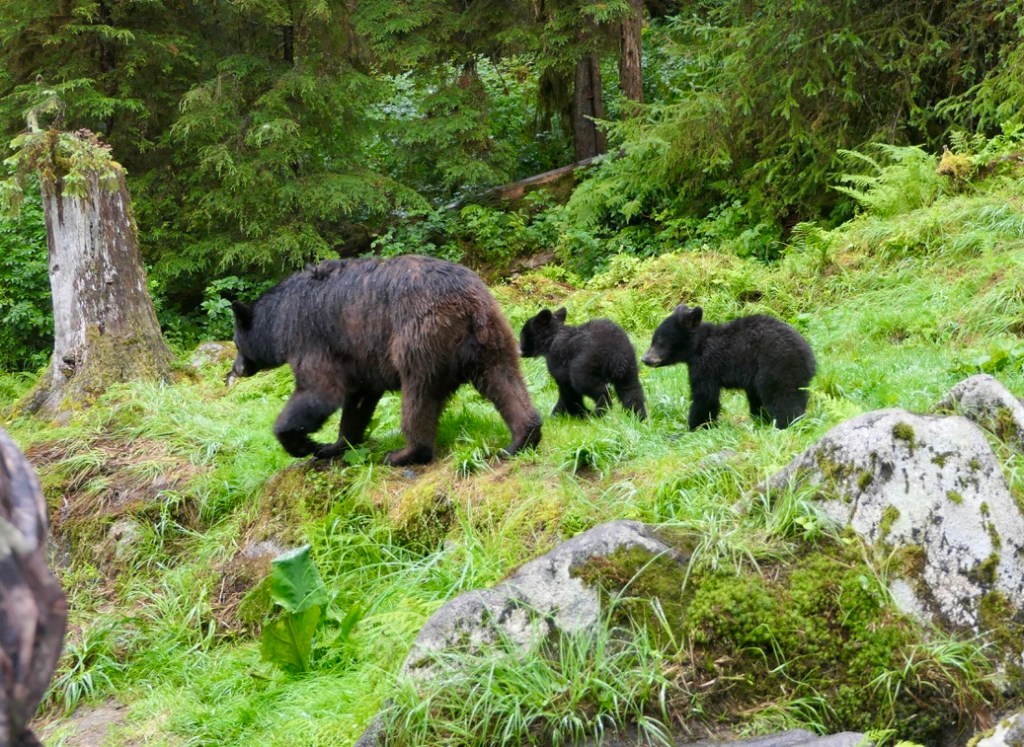
After our Glacier Bay experience we traveled south to the town of Wrangell, which sits on the northern tip of the island of the same name. Wrangell is, and always has been, a working town – its marina is filled with fishing boats of all sizes, and its history is full of colorful characters who were attracted to the areas riches. From Tlingit chiefs, Russian, Spanish, British and American traders, trappers and gold miners to famous gunslingers (Wyatt Earp did a spell as the town’s lawman) and finally the fishermen and outdoor enthusiasts who fill the town today. What attracted us was the Anan Wildlife Observatory, which sits in the Tongass National Forest 30 miles south of Wrangell. Perched above Anan Creek, which hosts one of the largest runs of pink salmon in Southeast Alaska, the observatory offers guests the chance to watch both brown and black bears feeding from the creek. We visited Anan on a rainy day with the good folks at Alaska Waters, making the hour-long trip in their new boat. We recognized just how ‘immersive’ this encounter would be when our guide slung a rifle over his shoulder to bolster the can of bear spray strapped to his belt. Instructed to stay in a tight group as we walked the half-mile trail through the rainforest, we marveled at the diverse array of ferns, mushrooms and mosses that carpeted the Sitka spruce trees and ground. Passing another small group coming out of the forest they indicated we were in for a treat – “plenty of bears up there!” Our excitement, unfettered by the falling rain, only grew. When we climbed the short set of steps onto the platform of the observatory we moved to the railing . . . and saw nothing. No bears below us in the creek. None on the hillside across the way. What the . . . had they already gorged themselves, to the delight of the previous group, and melted into the surrounding forest? But then there was movement across the creek. A solitary black bear appeared at the waters edge. Then another below us on our side of the creek. Minutes later three more black bears appeared further down stream. We moved from one side of the platform to the other trying to keep an eye on all the bears fishing for salmon. We marveled as most of them easily caught fish and carried their catch to a boulder or into a hidden area of the forest to eat. We laughed as one juvenile floundered in a pool, salmon jumping past his nose or swimming just behind him as he turned in all directions. More black bears kept appearing as time went by. Some would wander just inches beyond the railing of the platform as they moved between different stretches of the creek. As our time wound down and our guide was preparing to lead us back to the boat Heather lamented that she had really hoped to see a mother and cubs, but it didn’t appear that would happen. Until it did. Moments later a mom appeared with her two spring cubs, who huddled under her bulk while she sniffed the air, apparently trying to determine if any aggressive males were around that might pose a threat to her little ones. Satisfied, she moved her cubs to a mound high above the creek, where they contented themselves with chasing each other up a small tree while mom moved to the waters edge to catch dinner. She was quick and accomplished, returning to her young and sharing her meal. At the same time a pair of juveniles sat at the base of a tree, scratching themselves, climbing a few feet high and generally being oblivious to our presence. Finally, with hundreds of photos and several minutes of video taken, we reluctantly departed for the short walk back to the waiting boat and our return to Wrangell.
Back in Colorado it’s hot and hazy, as wildfires both near and far (as far away as California) cloud our skies and the temperatures climb into the 90’s. The heavy traffic that has plagued us at times during the summer still rumbles through town as yet another mudslide has closed Interstate 70. But there’s no time to fret – Heather is busy editing A LOT of photos. In two weeks I’m off to northern Minnesota for a rendezvous with two old friends for a canoe trip in the Boundary Waters. That story in my next post.
 The Rhum Line
September 11, 2021 at 10:12 am
I am so happy to know you! You have a wonder of exploration that is higher than most of the people I know. You’ve been south the north of this big world. Your travels are well documented in your rum line. Can’t Wait to read your next story in your life.
LikeLike