The Rhum Line

The aimless and sometimes muddled route of a traveling couple looking for their next great adventure


1 Comment

Europe ’22: Part 3 – Milos & Athens

The Meltemi is the name for the seasonal winds that blow across the Cyclades, howling down from the Balkans in the north. In July and August they can provide a welcome relief from the sweltering summer heat. While that’s the peak time for the Meltemi, they can sometimes kick up in June or September for days at a time. Or, even in mid-October, when we happened to be visiting. When they blast the islands it can create rough seas which can disrupt the ferries that ply the waters between islands. That’s just what happened last week when our plan to leave Milos to visit Sifnos, the last stop on our island-hopping tour, was scuttled. We were forced to spend another two days on Milos (do I hear the sound of tiny violins?) and then head directly to Athens when the seas calmed enough for the boats to start running again. Hmmm . . . how could we fill a couple extra days on a Greek island . . .

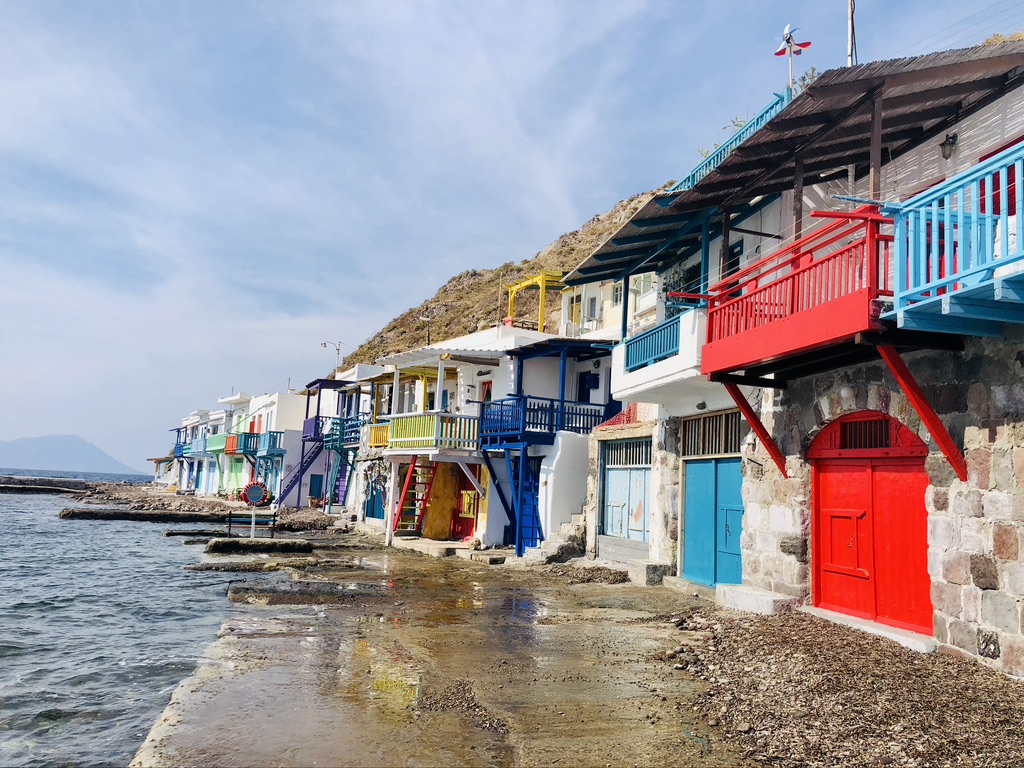
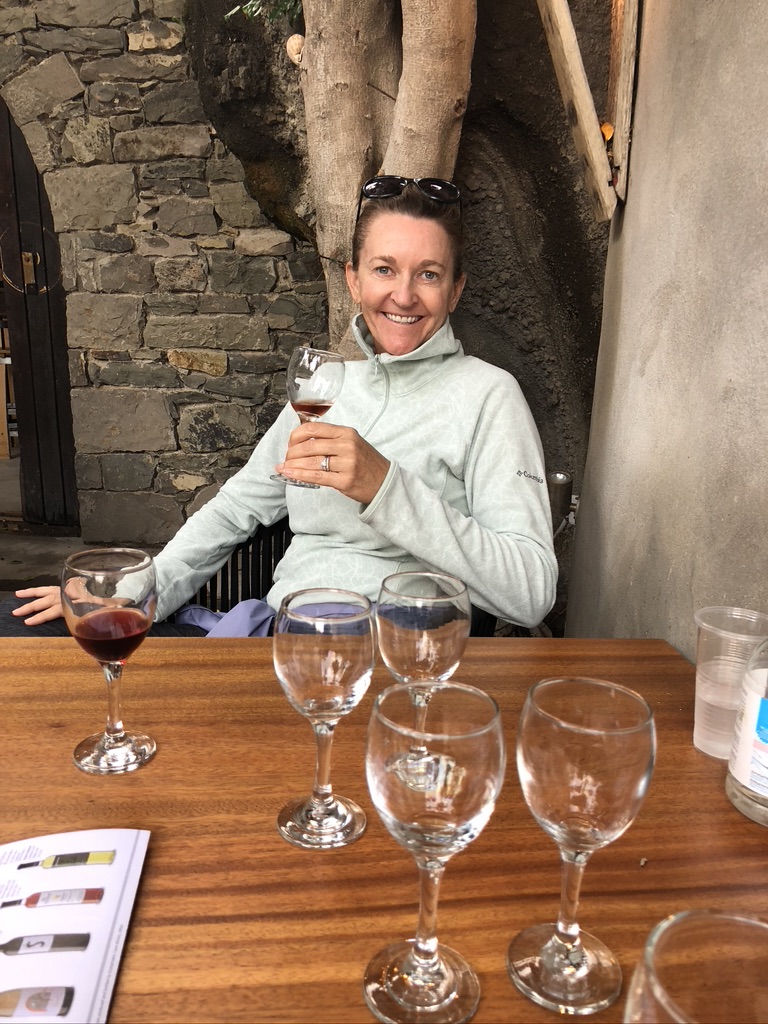
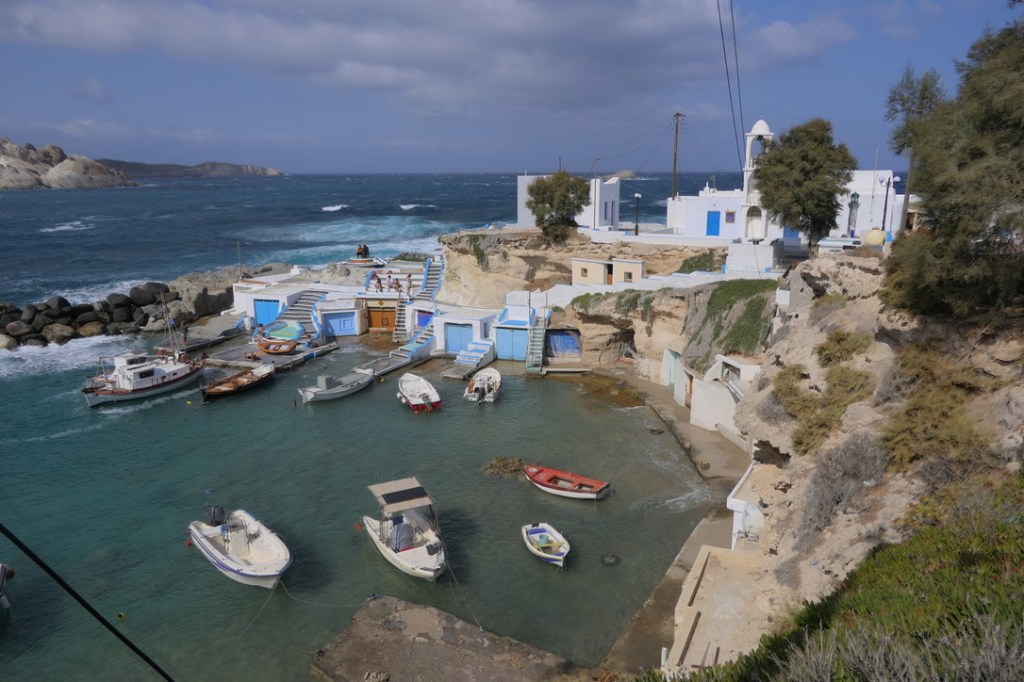
We had based ourselves in the village of Pollonia, on Milos’ northeast coast, for our stay. With a rental car we would be able to explore the island and visit beaches (Sarakiniko in the north and Fyriplaka on the south coast); the unique village of Klima, with it’s colorfully-painted ‘boat houses’; the remote seaside village of Mandrakia and the main town of Adamantas, which hosts the ferry port, a marina for sail boats and a string of tavernas along the water. In Pollonia itself, we only had to walk a short distance for excellent seafood at places like Enolian (steamed mussels and grilled sea bream), Yialos (grilled calamari and pasta with shrimp) or Alkis (fried calamari). As a bonus, just on the edge of town we found the Kostantakis Cave Winery, which offered tastings of its line of white, rose and red wines as well as a couple distilled spirits in a comfortable outdoor setting at the mouth of its cave storage cellar.
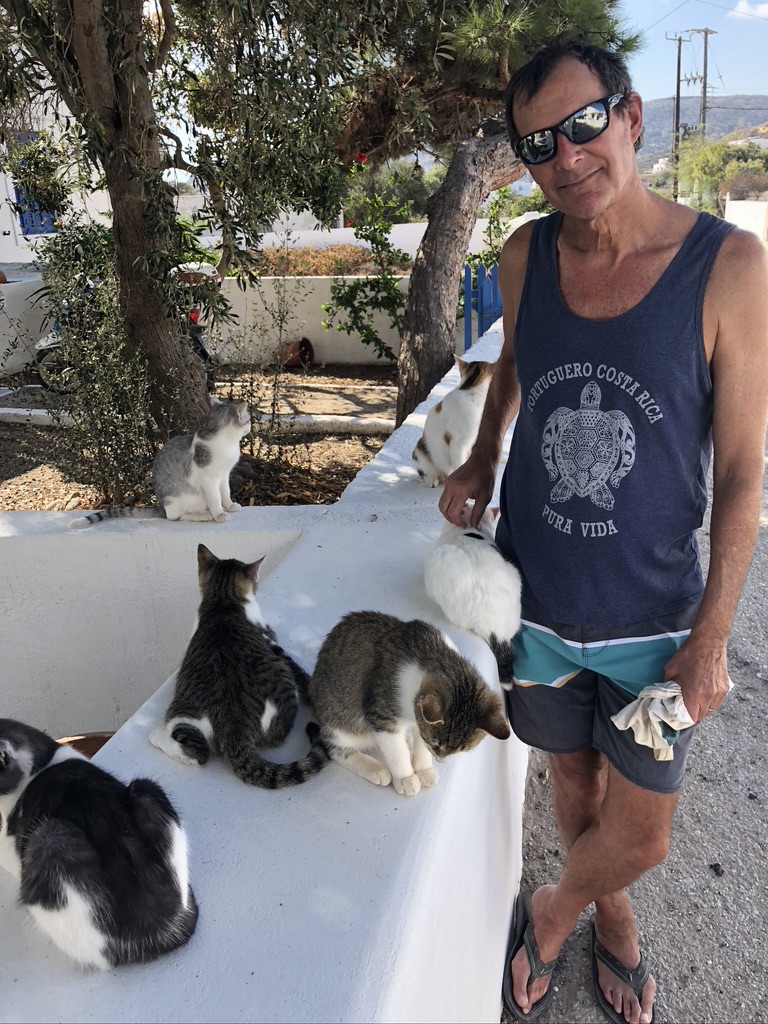
Yep, Milos has cats like the other islands . . .
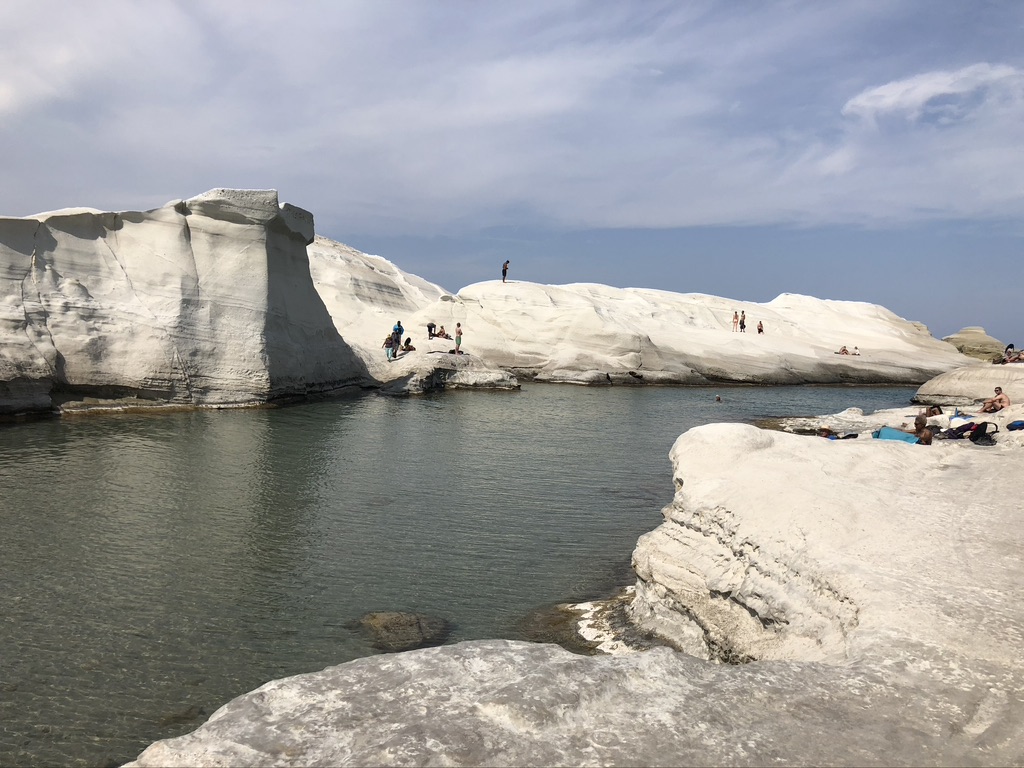
The limestone beach at Sarakiniko
Boat houses at Klima – boat storage on the first level, living quarters upstairs
Wine tasting at Kostantakis Cave Winery
Mandrakia

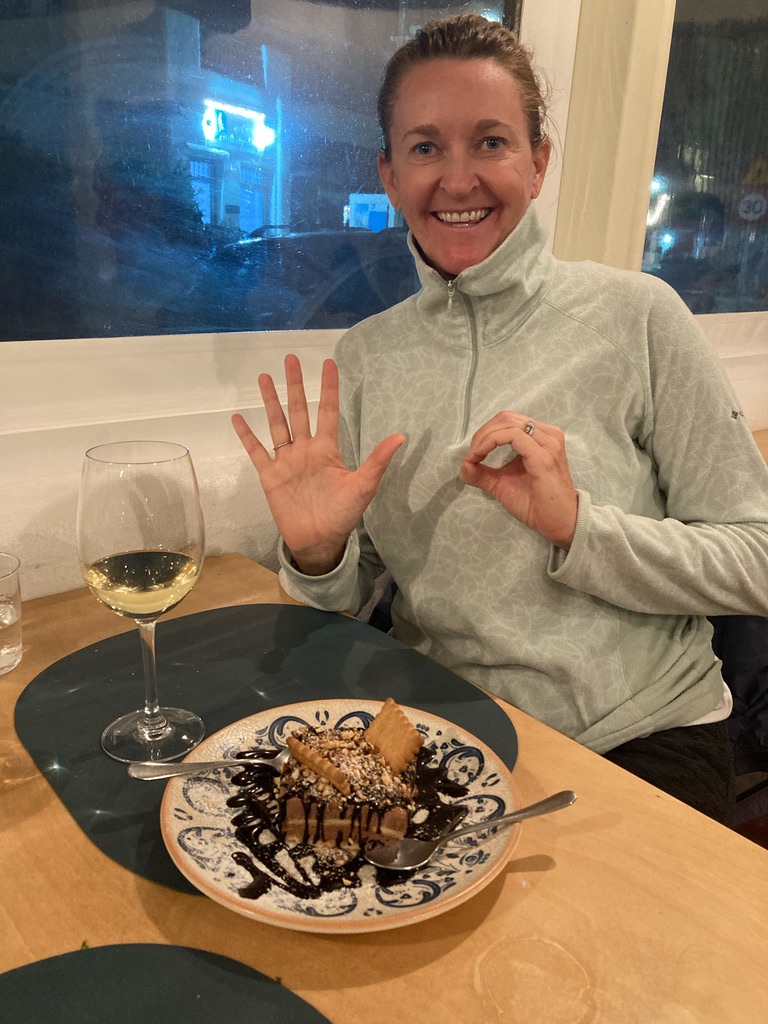
Someone’s celebrating a special birthday!!

A car won’t get you to the best scenery on Milos, however. To see the beautiful limestone cliffs and rock formations at Kleftiko, the collapsed sea cave at Sikia and the wild and rugged west coast you have to get on a boat. We signed on for one of the full-day boat tours that leave from the marina at Adamantas and, along with a group of international visitors and the two-man crew set out on a gorgeous sunny day. Our first stop was the cave at Sikia, which could only be entered via the boats dinghy through a small arched opening. The roof of the cave had collapsed about twenty years ago, leaving it open to the sky. We had a chance to swim outside the cave and everyone took advantage of the opportunity to jump into the sea. A short time later we motored into the cove at Kleftiko – a former haunt of pirates who used the area for a safe anchorage protected from the northern winds. The crew took us around by dinghy to view the limestone formations before serving us lunch. After another swim, the anchor was raised and it was time to return to port.

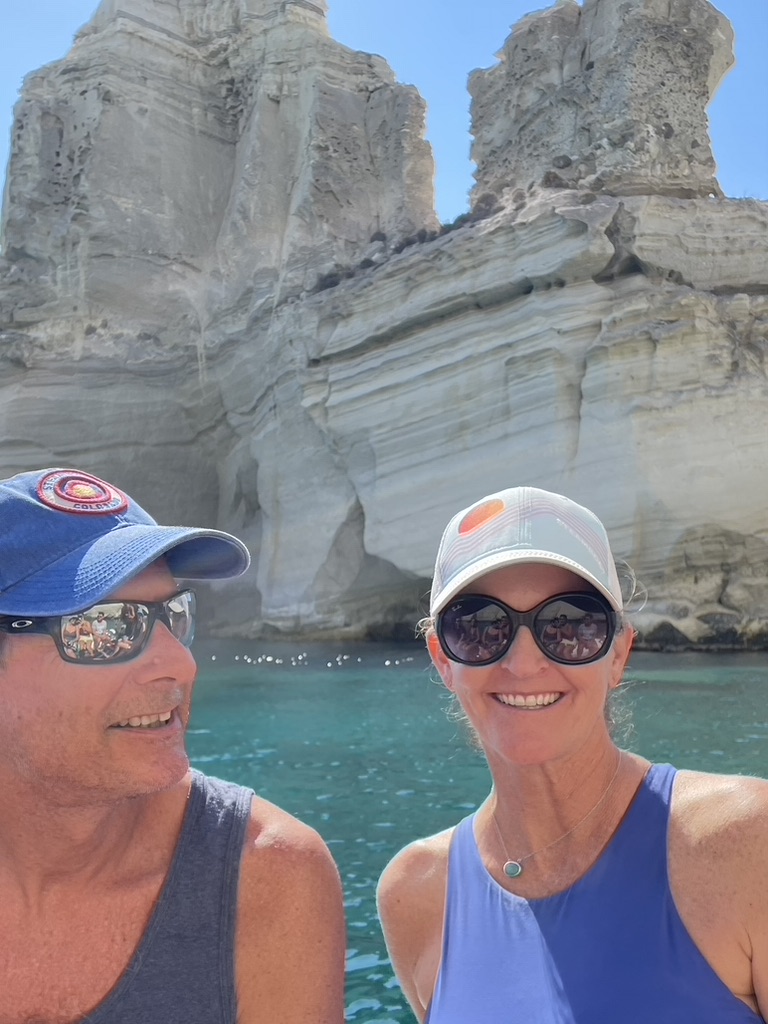
Inside the roofless sea cave at Sikia
Smiles at Kleftiko

After leaving Milos we traveled via ferry to Athens and spent some time wandering around the Acropolis, the National Gardens and the Plaka neighborhood. Plaka is THE tourist district – just below the Acropolis, pedestrian streets lined with souvenir shops, jewelry stores, gelato stands and tavernas, it’s wall-to-wall people. The crowds reach their apex right at the intersection of Adianou and Kidathineon streets, the center of Plaka. A few steps away from the intersection you can step up into Brettos bar, though, and you’re transported away from the crowds and into old Athens. The first thing you’ll notice is the back bar, which is a floor-to-ceiling display of hundreds of back-lit colored bottles. To the right of the door is the original, hand-made distiller that the owner first used, while another wall is lined by the wooden casks containing their house-made ouzo and brandy. The bar dispenses thirty-five other house-made liquers, as well as over 100 wines by the glass. Brettos is the perfect spot for people-watching – seats inside provided a quiet respite from the crowded streets, yet offered a window to view the meandering masses, whose numbers were surprising to us having just come from the islands where visitors seemed to be heading home and businesses were shuttering for the season. Athens was a place where we could relax on familiar ground after three weeks of island-hopping and regroup before embarking on our next leg – another three weeks road-tripping through southern Italy.
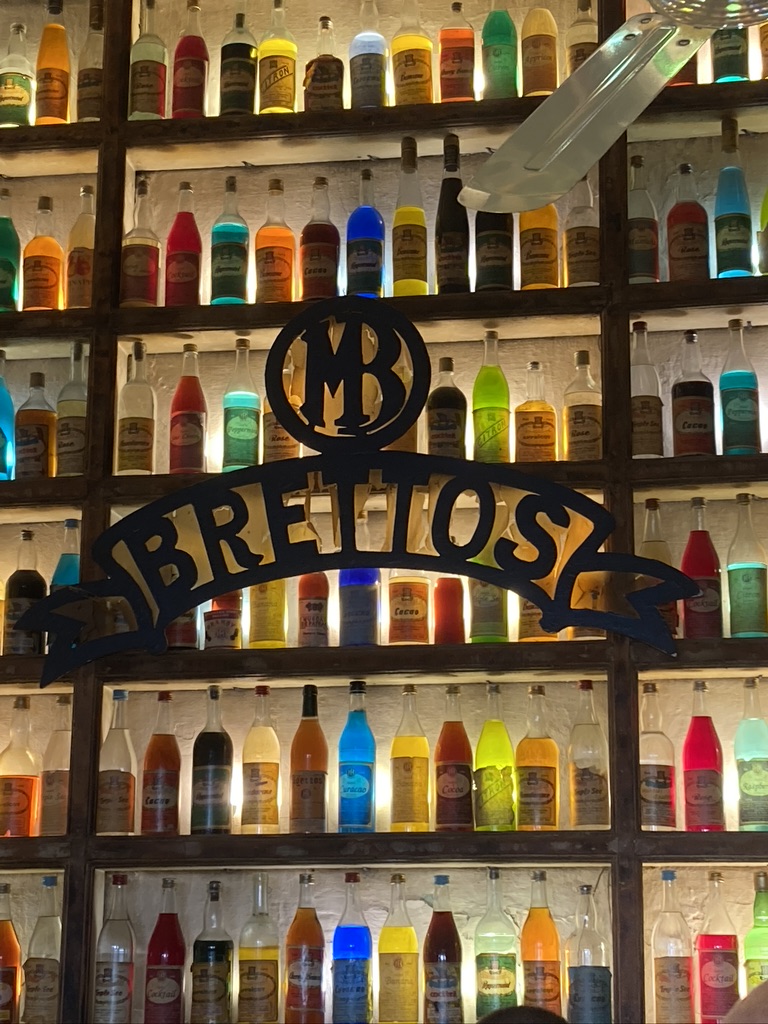
The back bar at Brettos
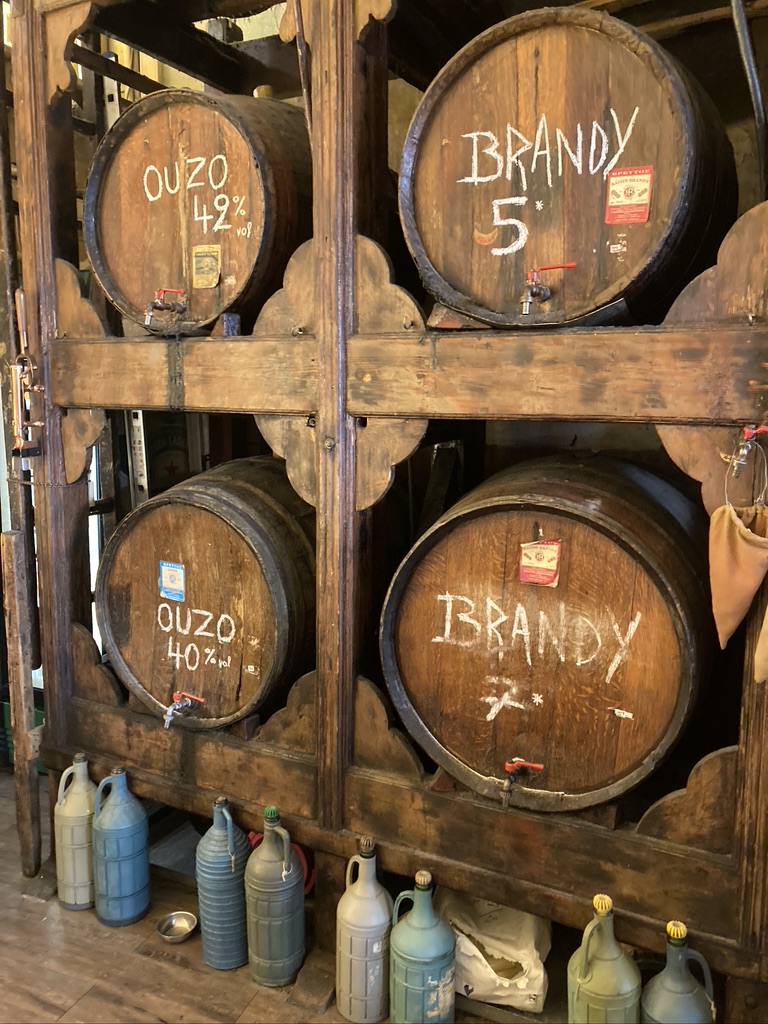
Ouzo – straight from the cask, right where it’s made – Brettos
Leave a comment

Europe ’22: Part 2 – Naxos

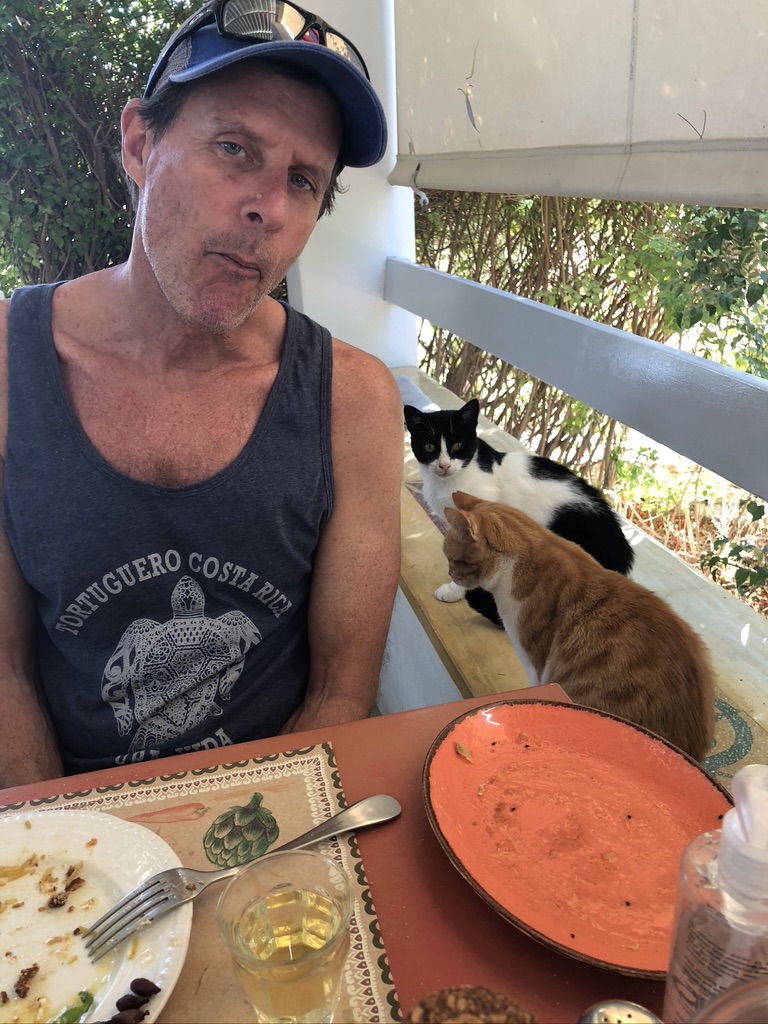
Naxos is often described by a host of adjectives: it’s the largest of the Cyclades islands (the group that includes Santorini and Mykonos amongst others); it contains the highest point in the Cyclades (Mt. Zas, fabled birthplace of Zeus); it’s the most fertile island (the high mountains bring more rainfall – its extensive agricultural sector makes it almost self-sufficient); and I can add one other observation – it has the most cats of any Greek island we’ve visited (which are all known for their cat populations). In every taverna you’ll usually have to move a cat from your chair before sitting down; every lane in every village will have felines lounging on stoops, stairs and window sills; our guesthouse provided a haven for more cats than it had rooms for guests. With a week on the island we’d have ample time to play with the friendly kitties, explore this large island by car, spend an afternoon hiking in the mountains and enjoying all the home-grown produce and seafood available to us.

Ummm, that’s my seat . . .

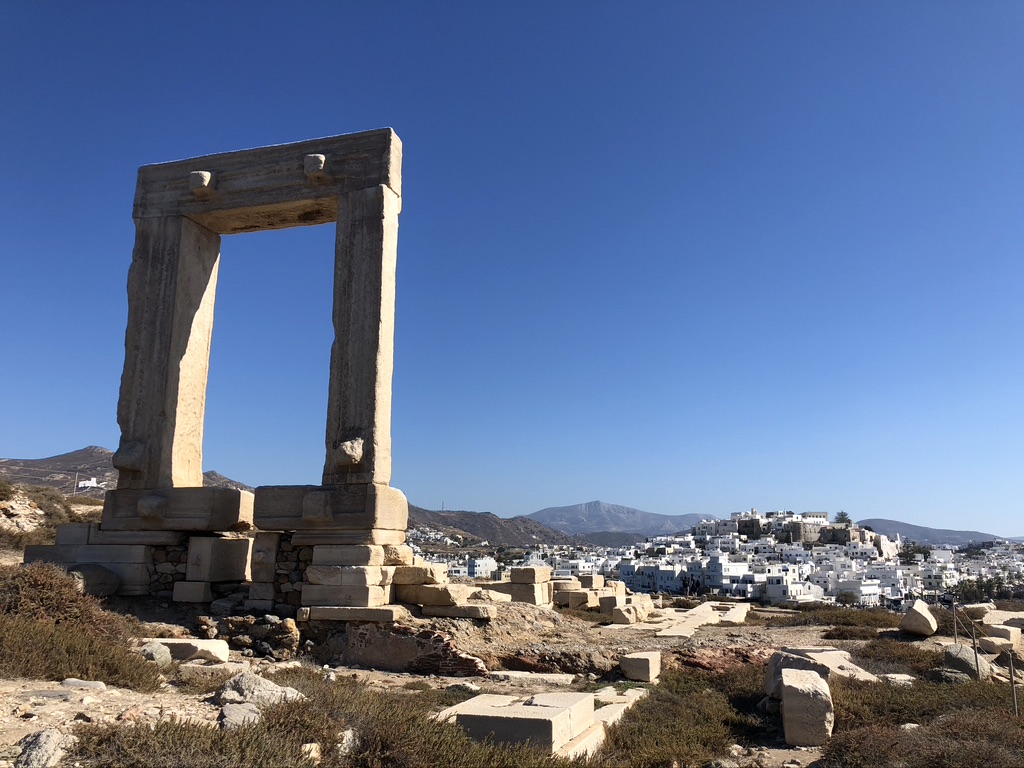
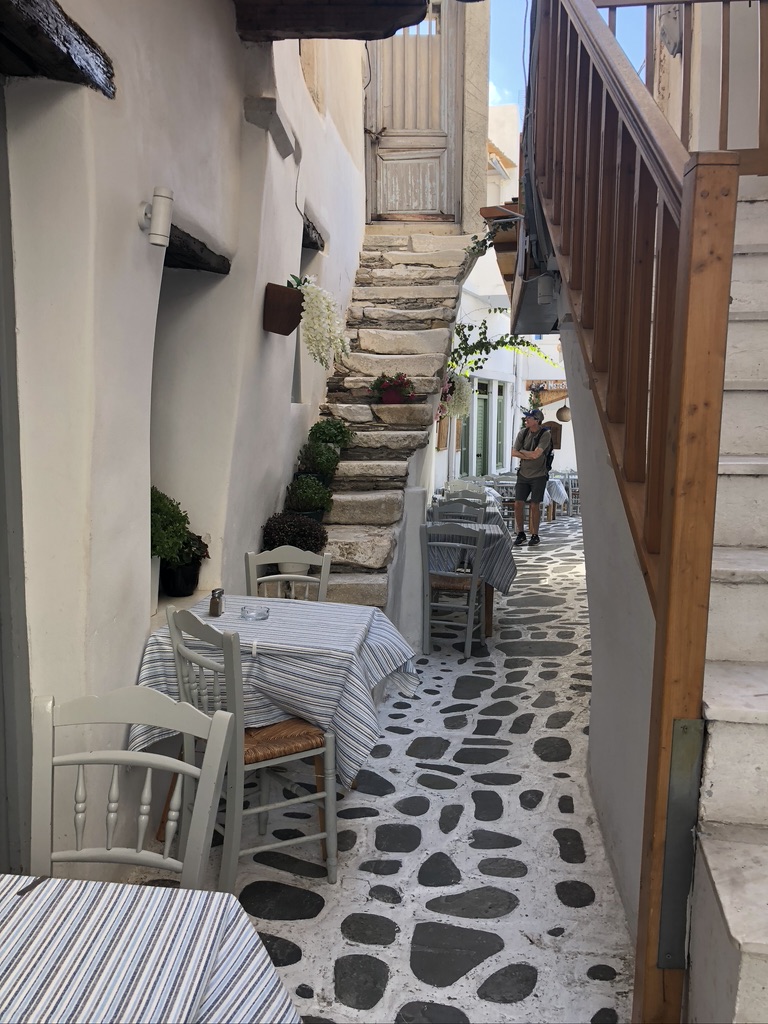
We spent one day in the port town wandering the maze of lanes in the ‘old market’ area; climbing up to the ruins of the old Venetian castle for the views over to Paros, a neighboring island; visiting the ruins of the temple of Apollo, and finally, indulging in fresh seafood offered at one of the waterfront tavernas.

The maze of streets in Chora’s ‘old market’ area
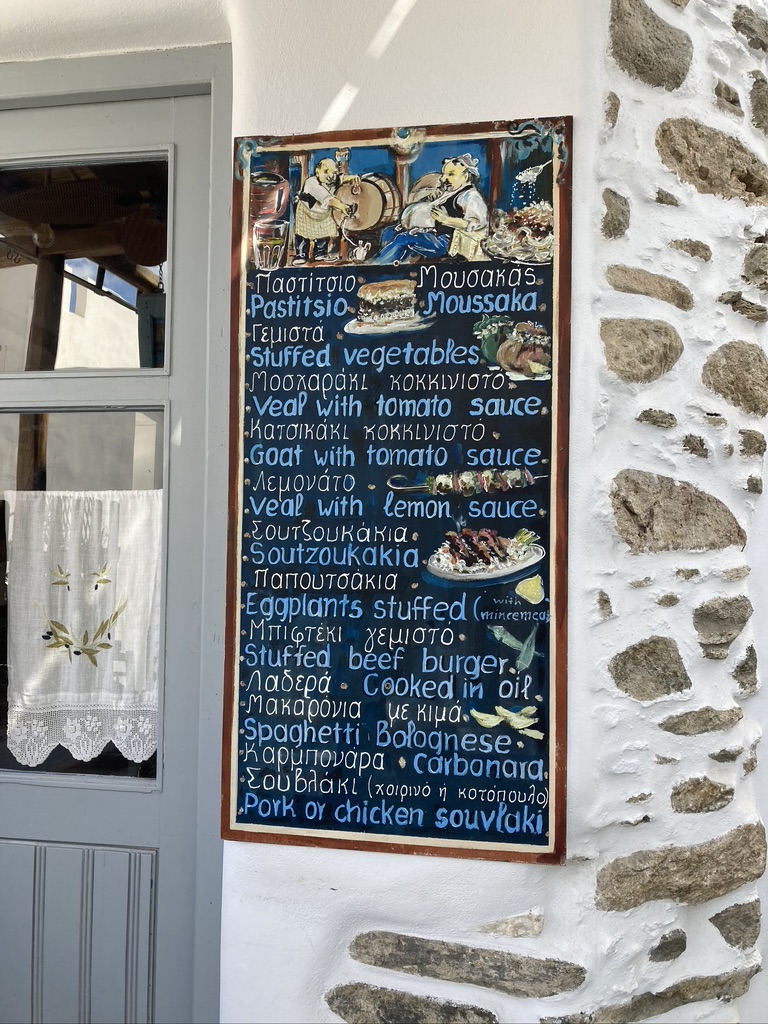
A taverna menu in Chora, the port town
The gate to the ancient temple, Naxos town in the background

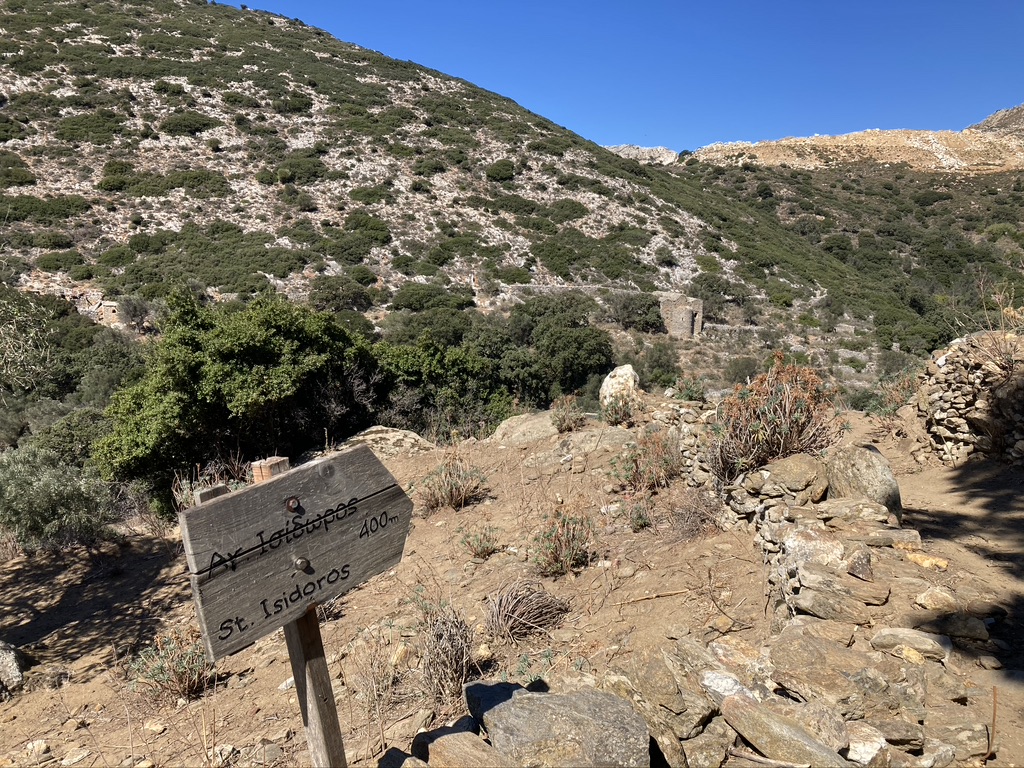
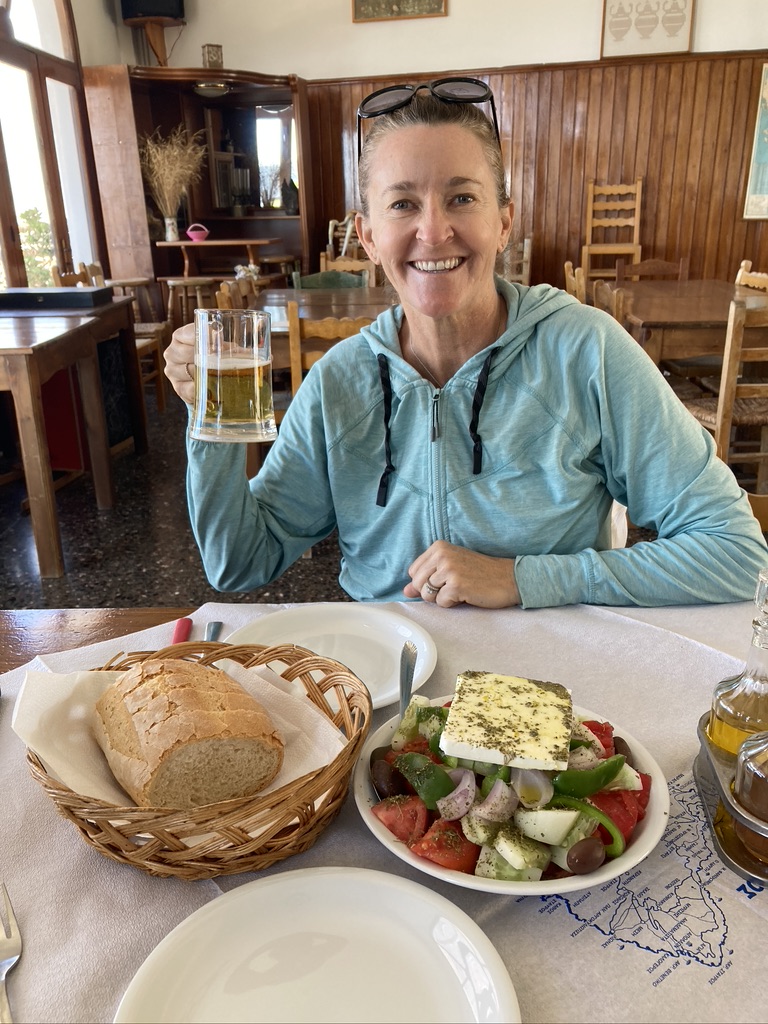
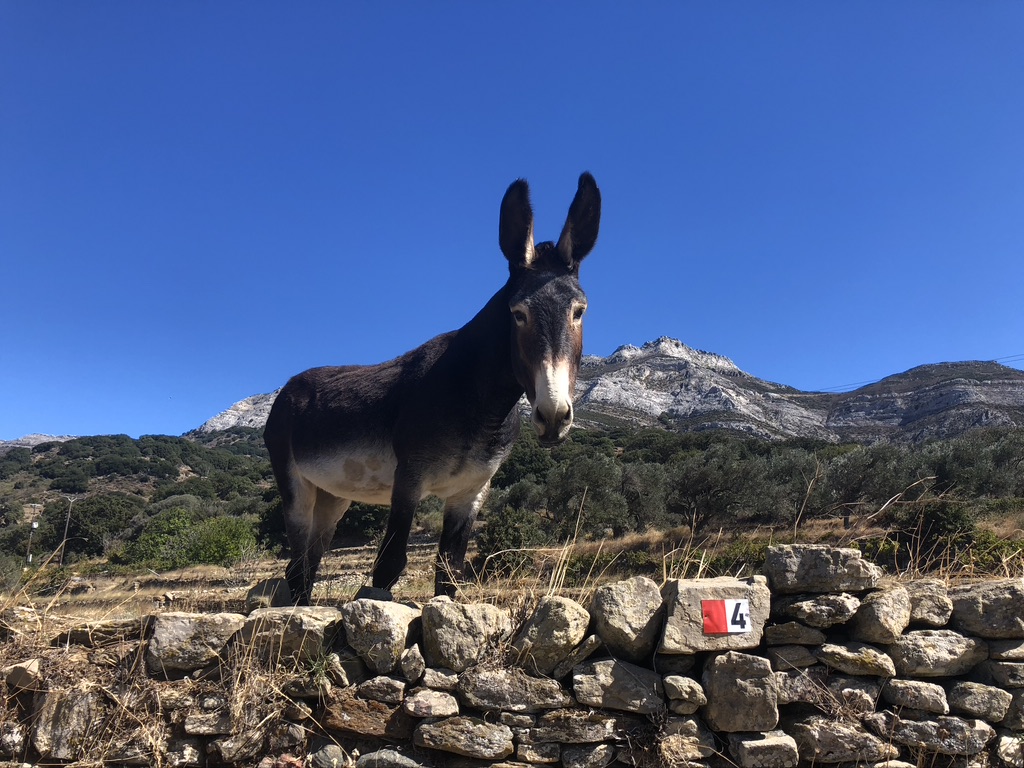
A highlight of Naxos is the well-maintained trail network, one of which connects the central mountain villages of Chalki and Moni. The trail follows a cobbled lane out of Chalki, passes several small chapels before meandering on a dirt path along a dry streambed, always ascending up the valley until reaching the village of Moni about an hour later. If you were pressed for time you could continue the loop, descending back to Chalki along the other side of the valley, but then you’d miss the experience of dining at To Panorama in the middle of Moni. We were wandering along the street when an old local, sitting on a chair outside the taverna, beckoned us in. Setting foot inside we were warmly greeted by an elderly woman. Seated at a table in the empty restaurant we asked if there was a menu. “No” replied the woman, who then listed what she had to offer us – beans, salad and bread. “Yes” we said, though with no real choice in the matter. Soon, after our cold bottle of Mythos beer was served, the plates arrived – a heaping platter of stewed fava beans in a light tomato sauce and a towering bowl of Greek salad, topped with a thick slab of feta cheese dusted with oregano. A basket of bread rounded out our lunch. We happily munched our food while taking in the ‘panoramic’ views of the valley from the large windows. Reluctantly, with full stomachs, we departed for the return to Chalki, descending through olive groves and vineyards, stopping to pick pomegranates from a tree whose loaded branches were drooping over the rock wall beside the trail, passing a lonely donkey who walked with us the length of his pasture until the fencing prevented him from going any further and wandered through the charming, nearly deserted village of Kaloxylos before reentering Chalki, where we treated ourselves to dishes of ice cream made from local cherries and strawberries.

Leaving Chalki on the trail to Moni
A side trail to one of the numerous stone chapels in the valley
A happy hiker at To Panorama in Moni
A hiking companion, if only for a short stretch
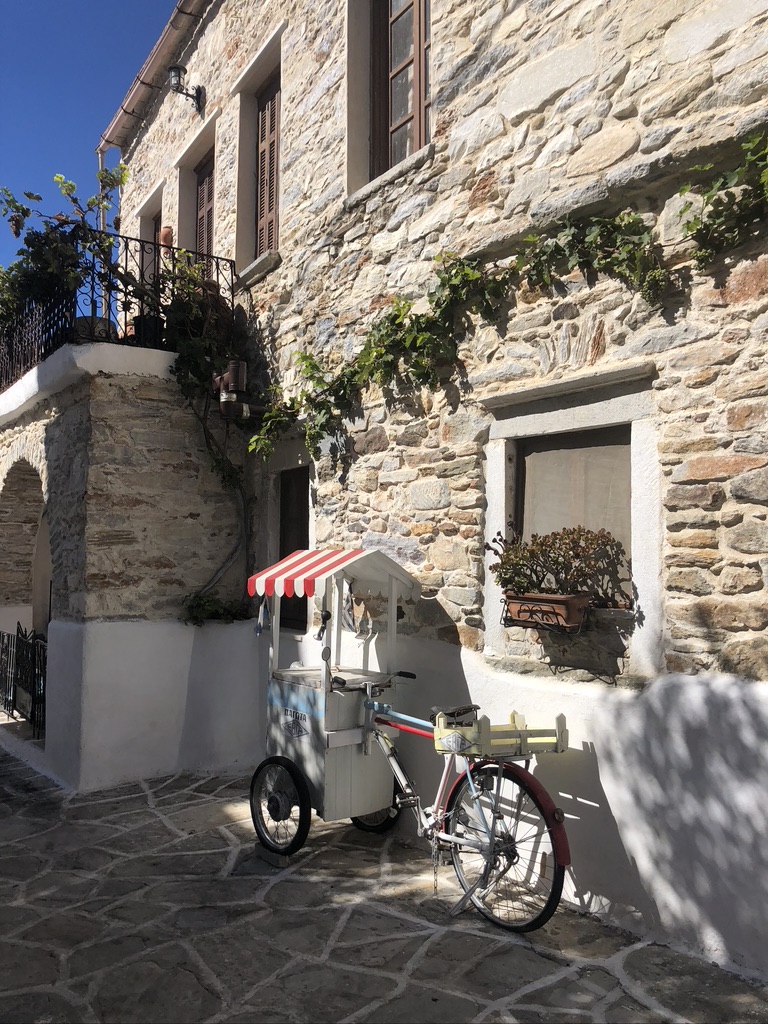
A vendors bike, parked for the evening, in Kaloxylos

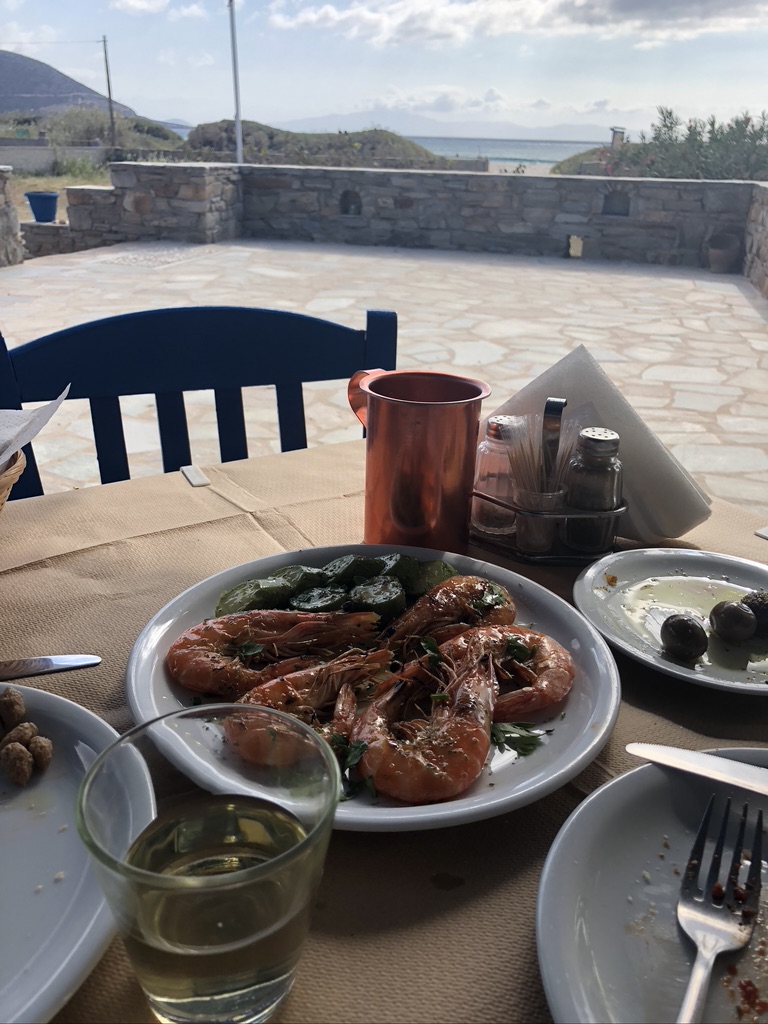
One day we drove through the center of Naxos and climbed over a mountain pass before descending to the coast on the eastern side of the island. At Moutsounas we turned south and followed a twisting road that hugged the shoreline. The road ended at the village (as far as five stone houses constitutes a village) of Panormos, and more specifically at a dusty parking area in front of Mitatos taverna, which overlooks tiny Panormos Bay, with views even further to the islands of Koufonisia, Schoinousa and Ios. There were a few other intrepid visitors swimming in the bay, but we elected to forego the chilly water and instead enjoy a chilly beverage on the terrace of Mitatos and take in the view. Another day was spent navigating yet another dirt road to Agiossos Beach on the southwest side of the island in order to have lunch on the sun-splashed terrace of Panormitis Cafe. We dined on grilled prawns, baked eggplant, olives and baklava before heading back to our guesthouse for sunset.

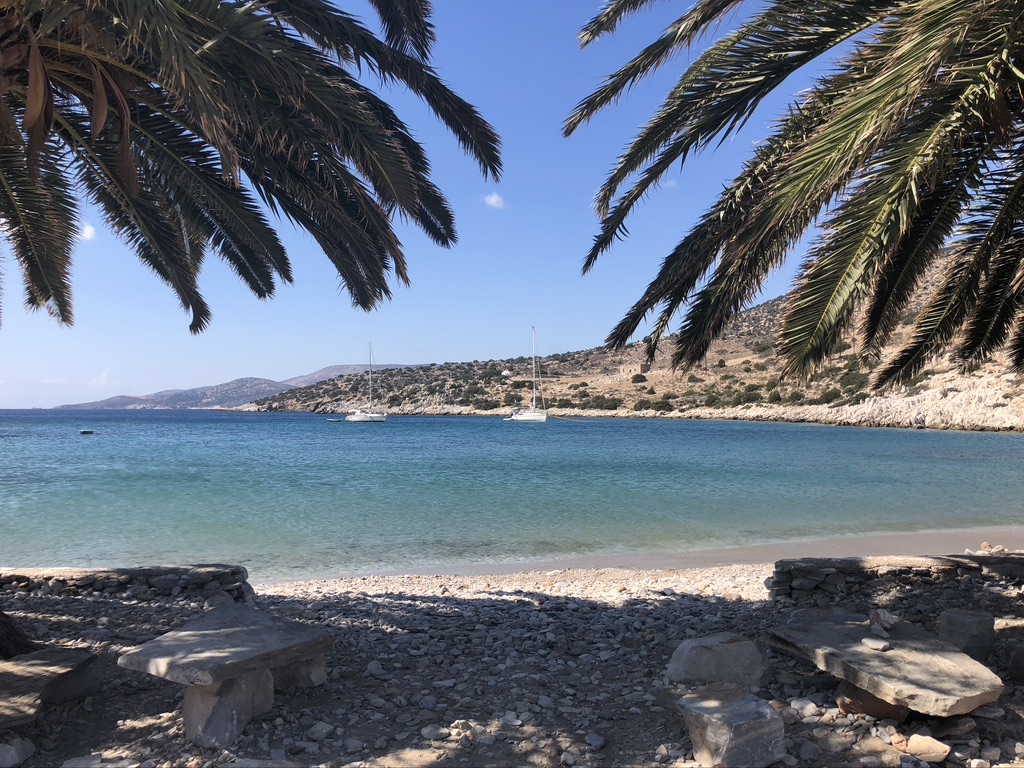
The end of the road – Panormos Bay, Naxos
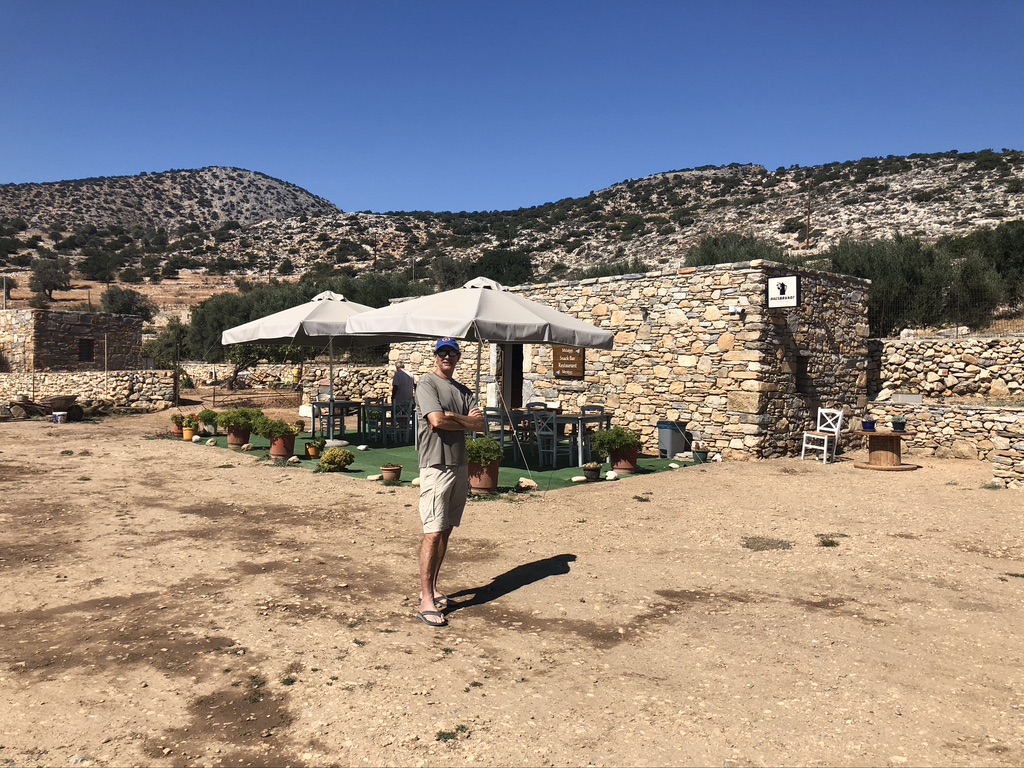
Mitatis taverna
Grilled prawns and the view at Panormitis Cafe

As the calendar moves to mid-October, things are starting to close down on Naxos. Several restaurants have already shuttered for the winter and we’re seeing more close each day. We asked our host if it would be possible to stay in our room a little longer on our last day, as our ferry wouldn’t depart until the evening. Her response – “Stay as long as you like. You’re the last guests of the season”.

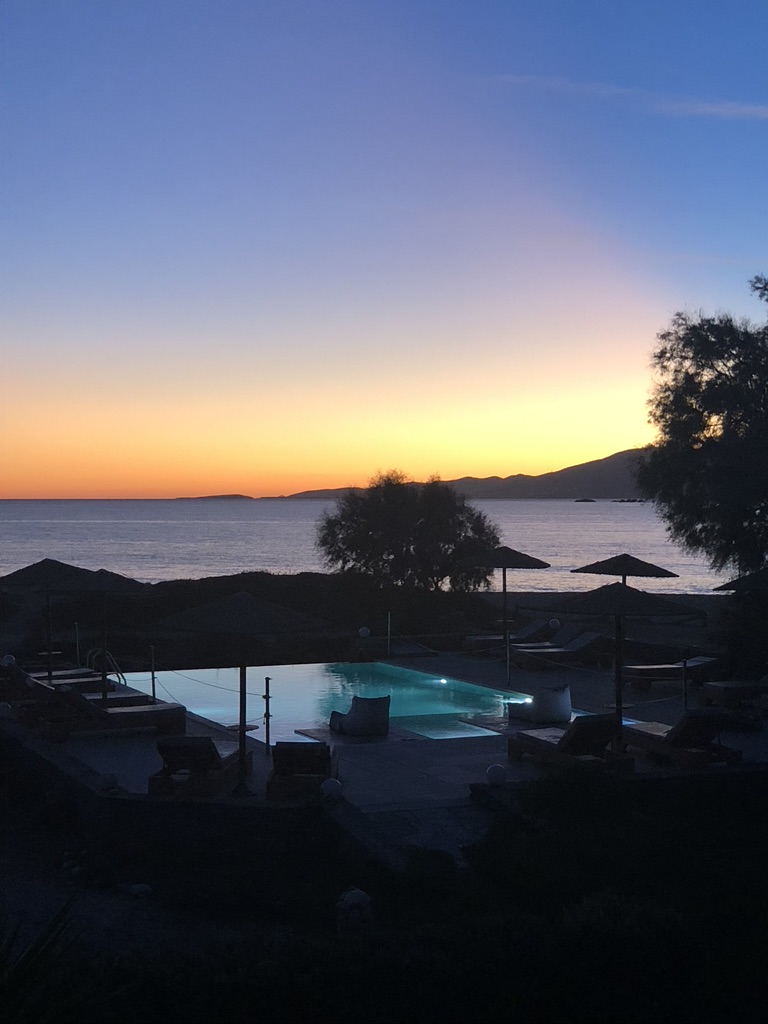
The final sunset from our guesthouse overlooking Plaka Beach and the island of Paros

After enjoying our return visits to Santorini and Naxos, we’re headed to new territory for us: the islands of Milos and Sifnos, where we’ll celebrate a milestone occasion . . . in the next Rhumline post.


Leave a comment

Europe ’22: Part 1 – Santorini

Ammoudi Bay sits at the very northern tip of the island of Santorini, occupying a dramatic setting just below the town of Oia, which clings to the clifftop overlooking the bay. Right at the rocky shoreline sit four restaurants and if you’re visiting Ammoudi Bay for lunch or dinner you have to decide between them. The good news: there’s no wrong choice. One of those restaurants, the Ammoudi Fish Tavern, provided what may be one of the best dining experiences we’ve had recently. By a stroke of luck, we arrived just as they were opening their dining area and were the first patrons of the day, scoring a table for two perched mere inches above the Aegean Sea. A quick glance at the menu told us this was a serious seafood joint – not a chicken, lamb or pork item could be found on its extensive menu. We opted for a starter of roasted beets and candied walnuts dressed with a yogurt sauce and basil oil, followed by a heaping bowl of steamed mussels in white wine and garlic along with a plate of grilled sun-dried octopus, drizzled with olive oil and dusted with herbs. Chewy sourdough rolls, with more oil and an olive tapenade for dipping, rounded out the meal. We savored every bite, washed down with a crisp, local white wine while watching the sun-dappled sea. Afterwards we strolled through the other restaurants along the waterfront, savoring the smells and sights of plates of grilled sea bass and grouper; bowls of pasta heaped with lobster and prawns and platters of crisply-fried calamari.

Ammoudi Bay and it’s seafood tavernas lie below Oia
It’s also spectacular from the top!

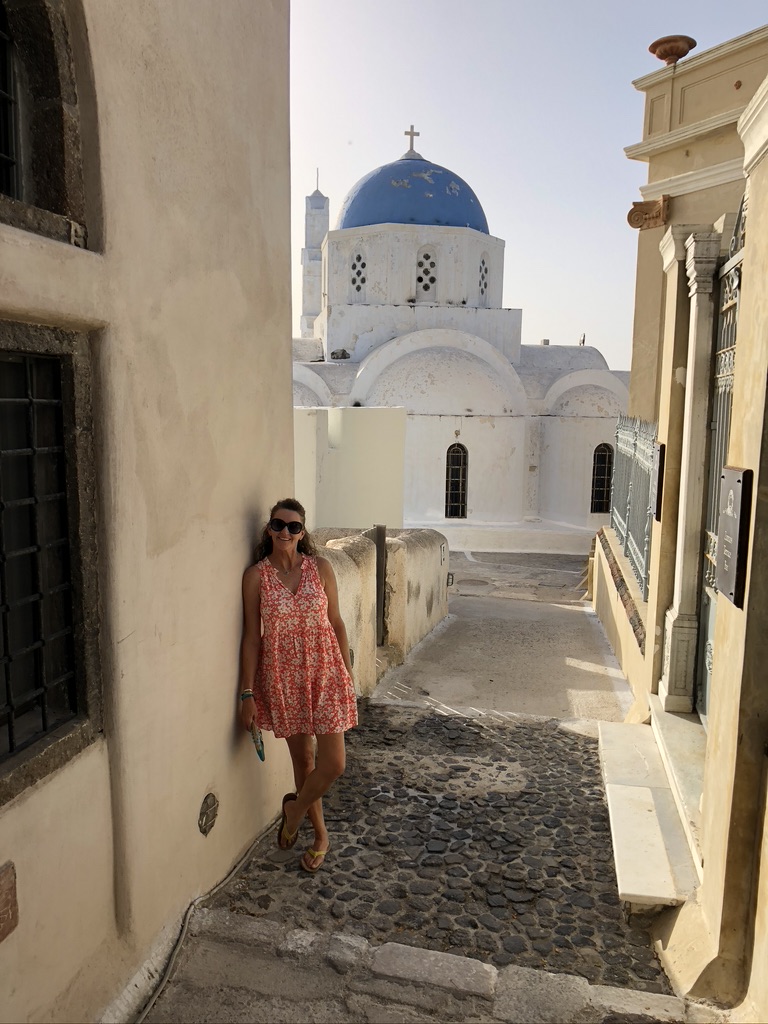
Santorini was the starting point for our six-week European trip. Having visited the island twice before, we planned on spending just four days here, mainly for the chance to rest up from what turned out to be a grueling day of travel – and by ‘day’ I mean twenty-seven hours. At the last minute our first flight of the journey was canceled, prompting a five-hour drive to New York City before our overnight flight to London, where we spent seven hours before boarding our flight to Santorini, which then sat at the gate for another one and a half hours before departing for the four-hour trip to Greece. Arriving well after dark, we were happy to find Kostas, from Cool Cars, who was supplying our rental car, still waiting in the airport parking lot. After a brief inspection of the vehicle, signing a few forms (it’s all Greek to me!) and paying with the Euros we had just gotten from the airport ATM, we were off to Perissa beach, on the island’s southern shore. Rolling down the windows we let the warm air wash over us as we passed by the quintessential whitewashed stone buildings that are so iconic of Santorini. Arriving at our guesthouse we checked in, dropped our bags and fell into bed, eager for sleep and looking forward to a few days refreshing all our Greek memories: grilled fish at the seafront tavernas; gyros wrapped in warm, pillowy pita; crisp white wines; terraced vineyards baking in the sun; lonesome blue-roofed chapels tucked into mountainsides, ruins of old windmills . . . When I woke the next morning the sun was already streaming through the open windows of our room, the brilliant blue of the sky was visible and a slight breeze ruffled the cedar and olive trees. It was so good to be back in Greece. My reverie was broken moments later when a cry arose from next to me “GET ME COFFEE!!!”.

The advantage to visiting Santorini during the ‘shoulder season’ – Perissa Beach
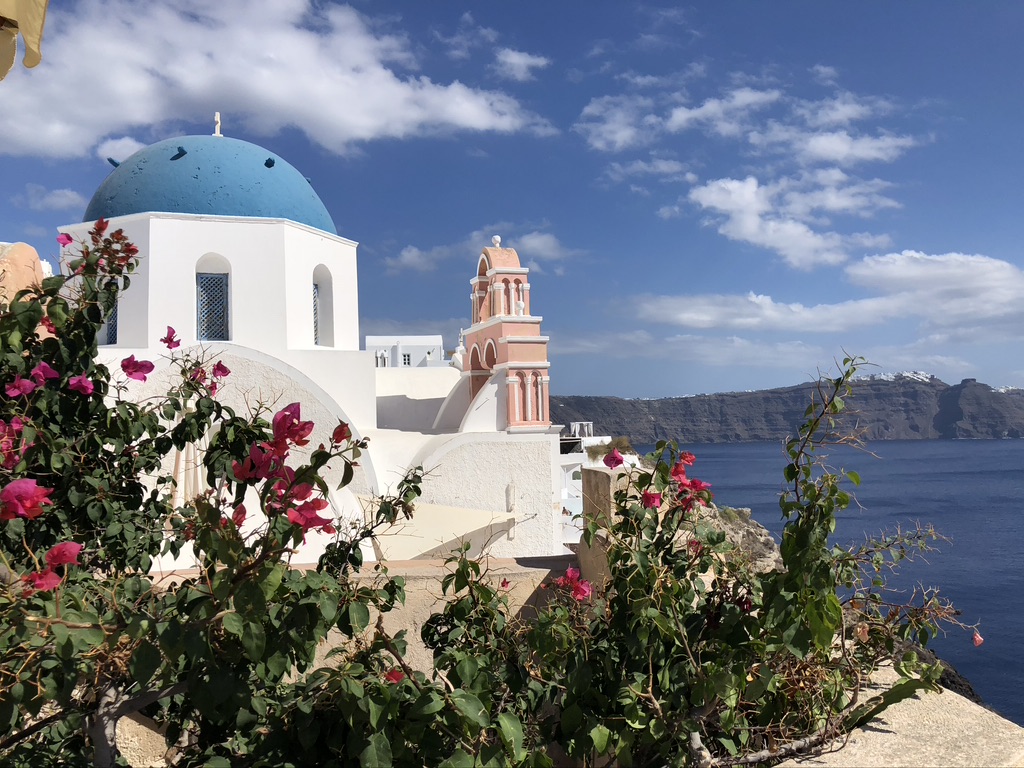
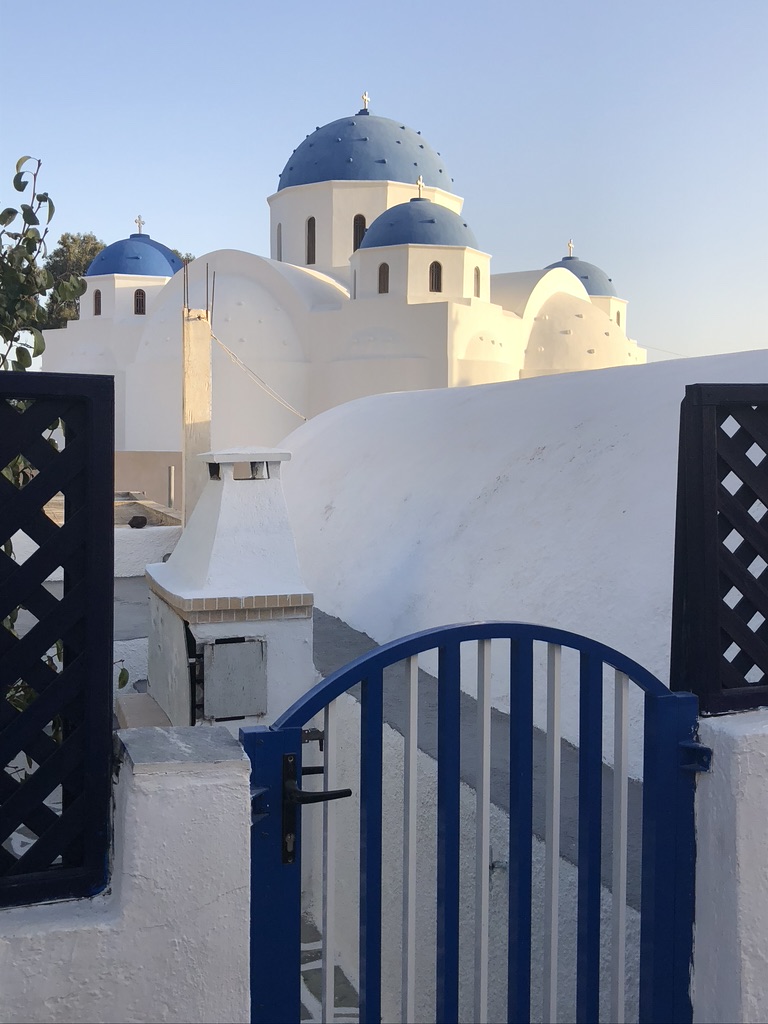
Blue and white – easy color scheme in Santorini

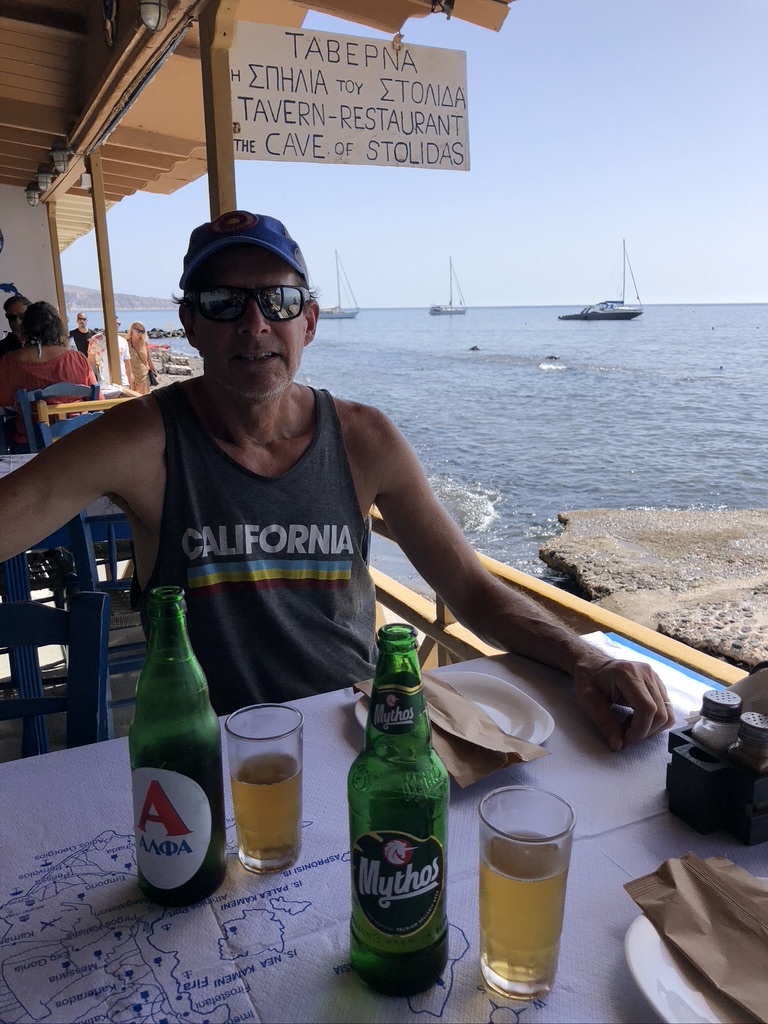
While our lunch at the Ammoudi Fish Tavern was the headline highlight, we won’t soon forget the other culinary experiences from Santorini. On our second day we explored the southern coastline, visiting the beach at Vlychada and the lighthouse at Faros before parking the car at the entrance to the beach outside Akrotiri. Much like Ammoudi Bay, there are a handful of tavernas overlooking the sea and we chose to settle in at The Cave of Stolidas for lunch. Our server suggested we start with the saganaki, a traditional dish of fried cheese made with local kefalograviera cheese, followed by dorado, a white fish grilled over a charcoal fire. No argument here! With a couple cold beers to start, we were content to look out over the sparkling sun-dappled water until our food arrived.

Overlooking the sea at Akrotiri – Cave of Stolidas – eager for grilled fish!

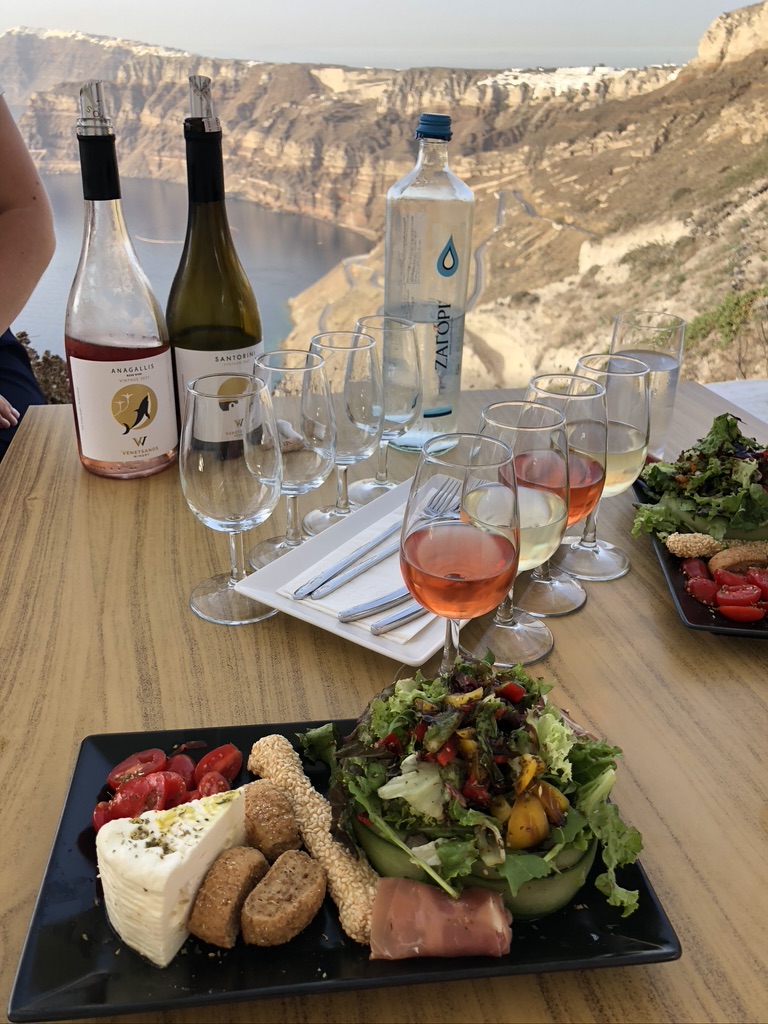
One of the attractions of Santorini is the fact it’s located on the rim of a former volcano and the views from the caldera looking over the sea to the west, especially at sunset, are breathtaking. One of the best places to take in that view is from the terrace of the Venetsanos Winery, which offers a tasting of its wines along with plates of locally-sourced food. We grabbed a table about an hour before sunset and our personal ‘sommelier’ poured us a sampling of the four most popular offerings – a crisp white, a complex rose, a minerally red and the islands famous ‘vin santo’ dessert wine.

This does NOT suck! – Venetsanos winery

No sooner had we caught up on our sleep, started to get a little color on our skin and I had developed a taste for an after-dinner ouzo, it was time to move along. Our next stop would be a return to one of our favorite islands – Naxos.

A wrap on another visit to Santorini