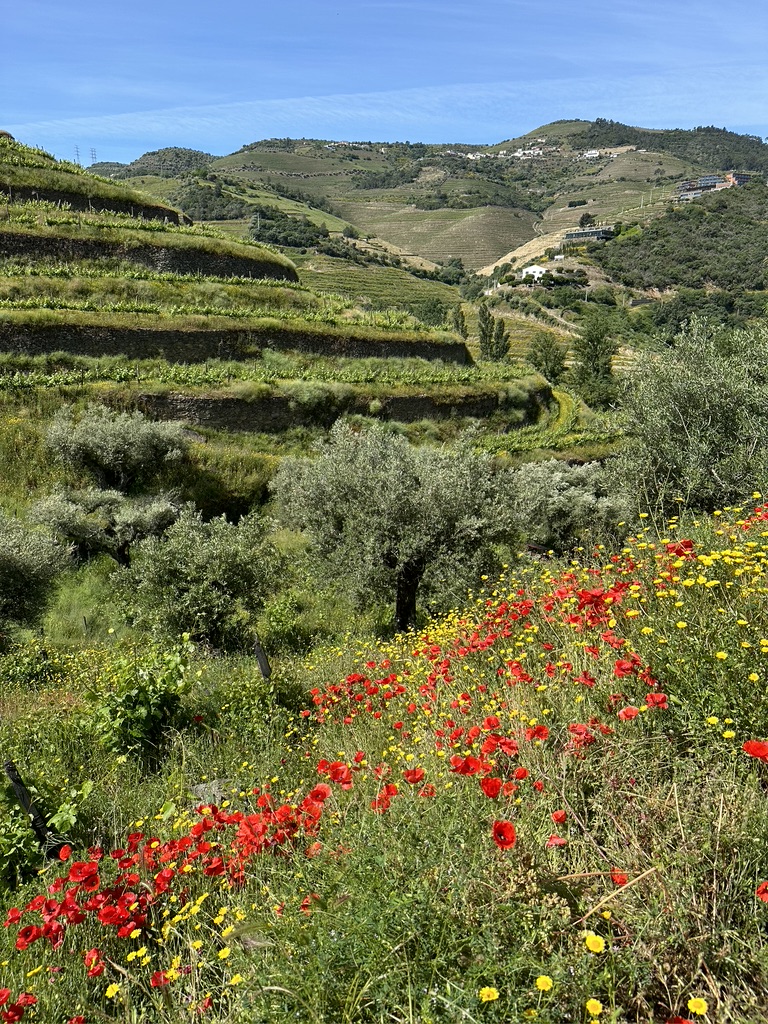
As the sun dropped below the hills along the northern shore of the Douro River, I drained the last of the Quinta da Pacheco port wine from my glass. Just across the river, which runs just the other side of the road from the front of the Hotel Folgosa, our base for our four-day stay in the Douro Valley, the last rays of sun still shone on the red tiled roofs of the white-washed homes in the village of Covelinhas. Grapevines, olive and eucalyptus trees covered the hillsides that rose up from the river. All was quiet on the water, as the smaller cruise ships had docked for the night and the rabelos, the traditional wooden boats that carried the port wine casks downriver to Porto, and now carry tourists on one or two hour trips along the Douro, had retired for the evening. The wine was complimentary, an amenity from the hotels affiliated quinta, which translates as one-fifth, or the typical rent, payable in harvested crops, given to the lands owner by the farmer who worked it back in earlier times. Today, many of the quintas are industrial-sized operations, hosting bus tours and boasting Michelin-starred dining rooms. But there are plenty of family operations left, such as the Quinta do Tedo, which we visited on our first day in the valley. Sitting above the confluence of the Douro and Tedo rivers, the tasting room commands an incredibly beautiful view of the Tedo valley. While port is on every tasting rooms menu, we weren’t quite ready for the sweet stuff just yet – it was the first seventy degree day of our two weeks in Portugal and we were ready for something cold and crisp. Fortunately, their Rose was part of a three-wine tasting menu and fit the bill. As the mid-afternoon crowds thinned out, we were left alone in the tasting room, chatting with the staff and owner. Complimenting the wine selection, the owner offered us a couple glasses of their award-winning port, and in response to Heather’s question about the availability of walking trails in the valley, invited us to return to walk their private trail system the following day. After dinner at a quiet restaurant back in Folgosa, and breakfast at our hotel, we returned to Quinta do Tedo for the walk. If we thought the views from the tasting room were impressive, we were soon blown away by the sights along our walk through the vineyard and the banks of the river. Besides the vibrant green of the grape vines, the olive trees, which lined each area of the winery, were beginning to flower. Then we came upon patches of wildflowers – brilliant red poppies, purple thistles, an abundance of sun buttons – that were growing amongst the vines and along the stone walls that crisscrossed the winery. Following our walk we got back in our rental car and made the drive up valley to Favaios, a small town that the staff at our hotel had suggested we visit. It was a thirty-minute drive filled with ‘oohs’ and ‘aahs’ as we climbed along a narrow two-lane road, winding through vineyards, each turn revealing another beautiful perspective of the Douro Valley. Arriving in Favaios, we found the streets deserted. After parking, we wandered for a bit, then decided it was time for lunch. On the outskirts of the village we found O Cleto, along with everyone else in town. We just managed to score a table in the busy restaurant as the lunch rush was ending. Seems the locals like to enjoy a leisurely lunch, a bottle, or two, of wine, dessert and coffee before returning to work. It seemed rude not to follow suit. Our meal of fish, salad, bread, dessert and wine (bottle) totaled less than 20 euros. That was when Heather said, not for the first time, “We could live here.”
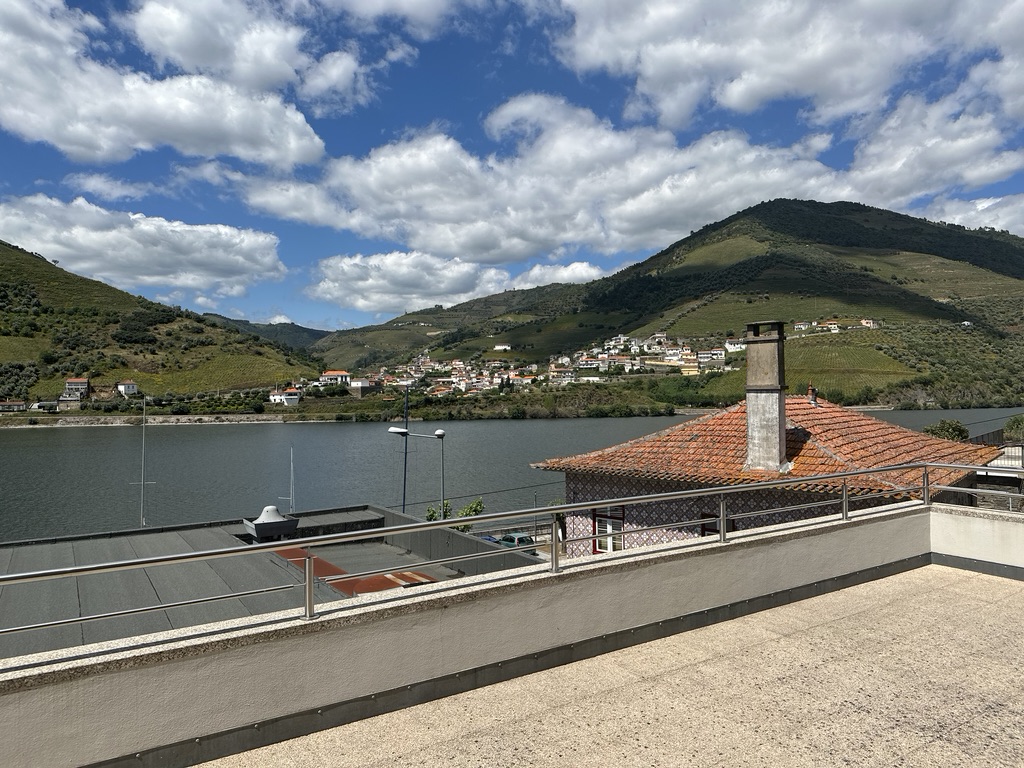
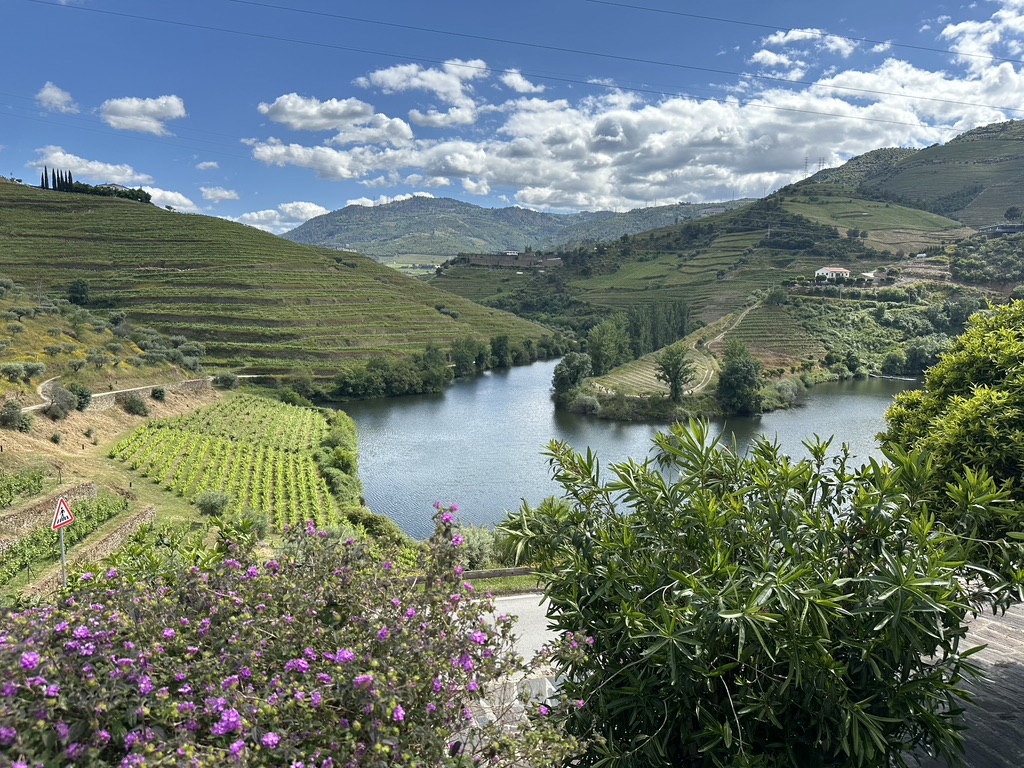
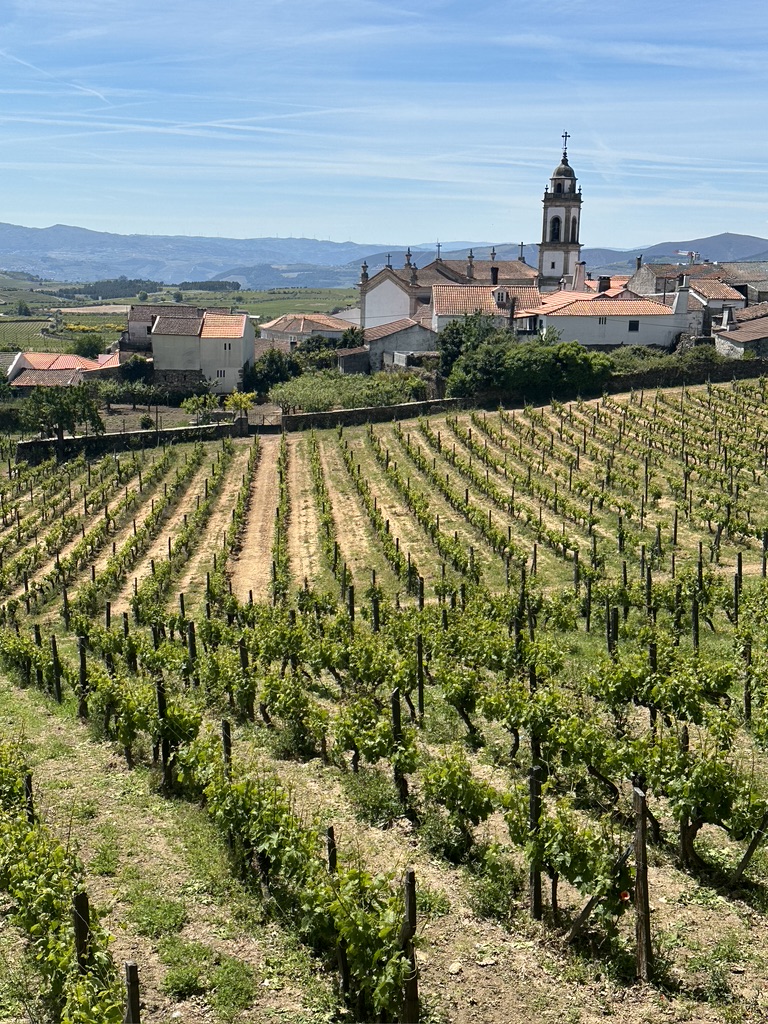
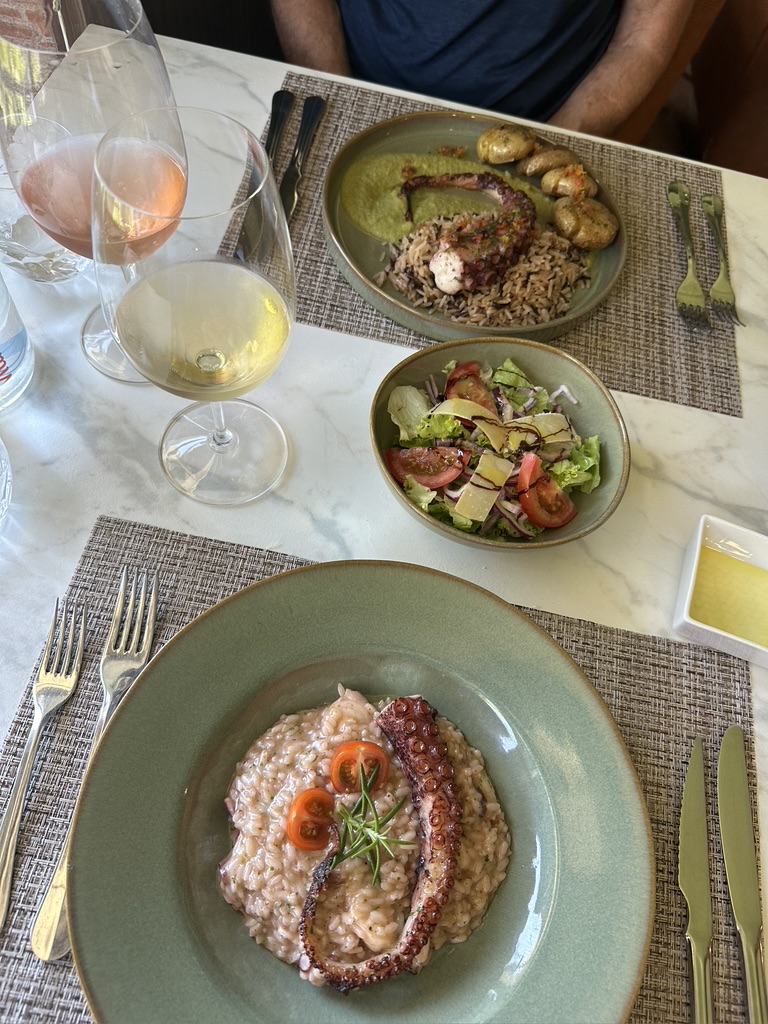
Our third day in the valley began with a walk along a country lane leading from our hotel to the hilltop village of Armamar. After climbing steeply for a half mile, the road leveled out and offered commanding views past vineyards and back down to the river. The entire route was bounded by vines on one side and eucalyptus trees on the other. After an hour we turned back and descended to Folgosa with the intention to drive to Pinhao, a half hour to the east, where we would spend the afternoon cruising up river on a rabelo, taking in the sights from the water. Arriving in Pinhao a bit hungry after a stroll we headed to The Bridge, a restaurant on the edge of town, for a bite to eat before our river excursion. Our excitement over the boat trip was soon replaced by our enjoyment of our lunch – the risotto was delicious: rich, creamy and cheesy with tender chunks of roasted octopus; followed by a refreshingly tart cheesecake-like lime pie, washed down with some cold Douro white wine.
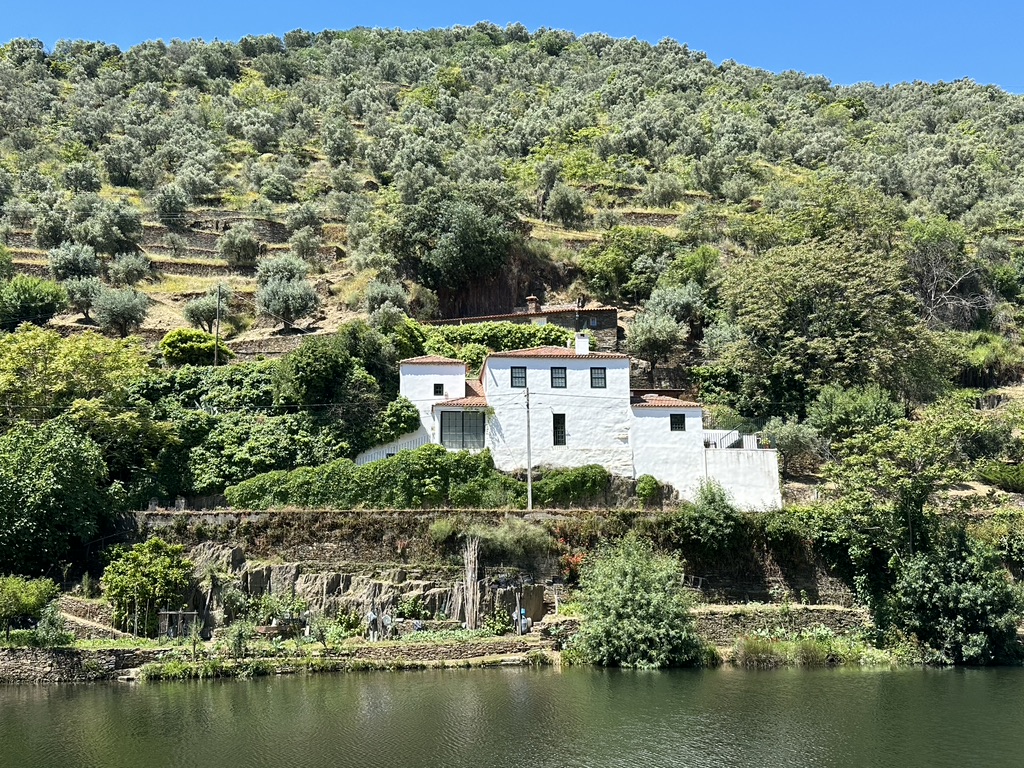
During our four days in the Douro it wasn’t all wine-tasting and delicious seafood. An afternoon was spent back in Pinhao at an outdoor cafe, enjoying pints of beer and toasted sandwiches overlooking the river; another on the terrace of Foz do Tavora, a bar on the river offering ridiculously cheap glasses of wine and beer along with a variety of cheeses and cured meats. No matter where we were, the views of the river, hills and vineyards were center stage. “I could live here” I said.
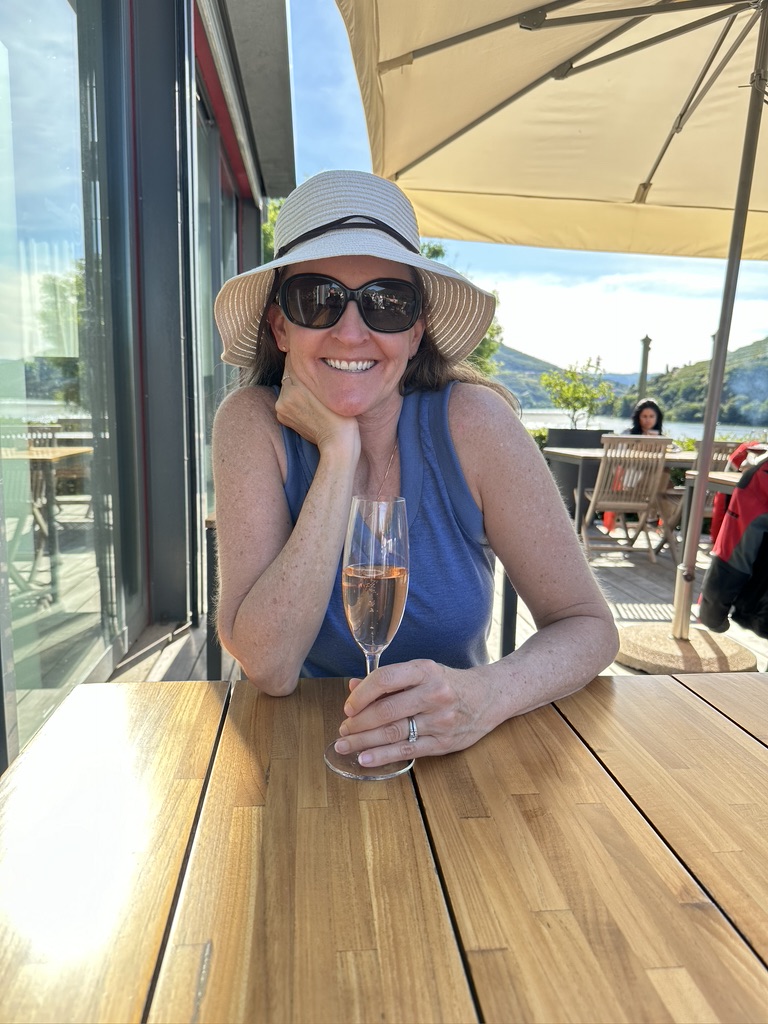
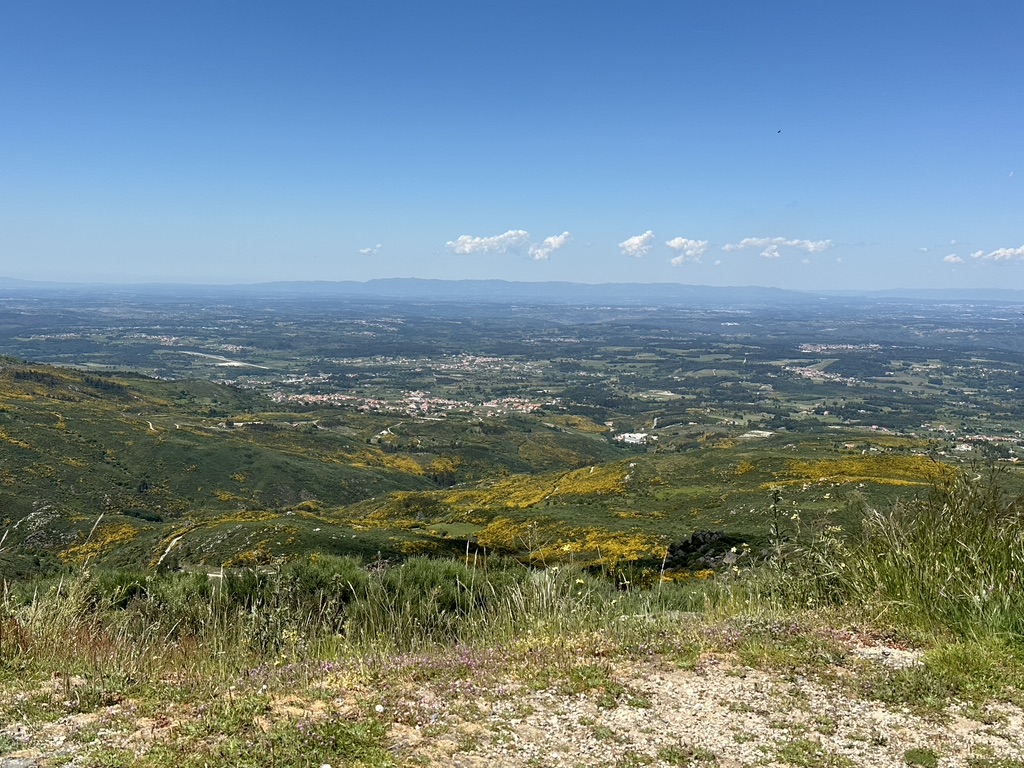
After our four day visit ended we pointed the rental car south, leaving the Douro valley and headed to Parque Natural da Serra da Estrela, the largest of Portugal’s national parks. The two lane road climbed and descended across the mountaintops and valleys of the park, offering views of flower-covered meadows, alpine lakes, pine forests and even across the border into Spain. Eventually leaving the mountains we entered the flat plains of the Alentejo before stopping for the night outside the city of Estremoz. The next day we returned to the Algarve for our final three nights, finding a villa just outside of Albufeira, with views of the sea and a neighborhood restaurant that offered some of the best food we had during our entire trip.
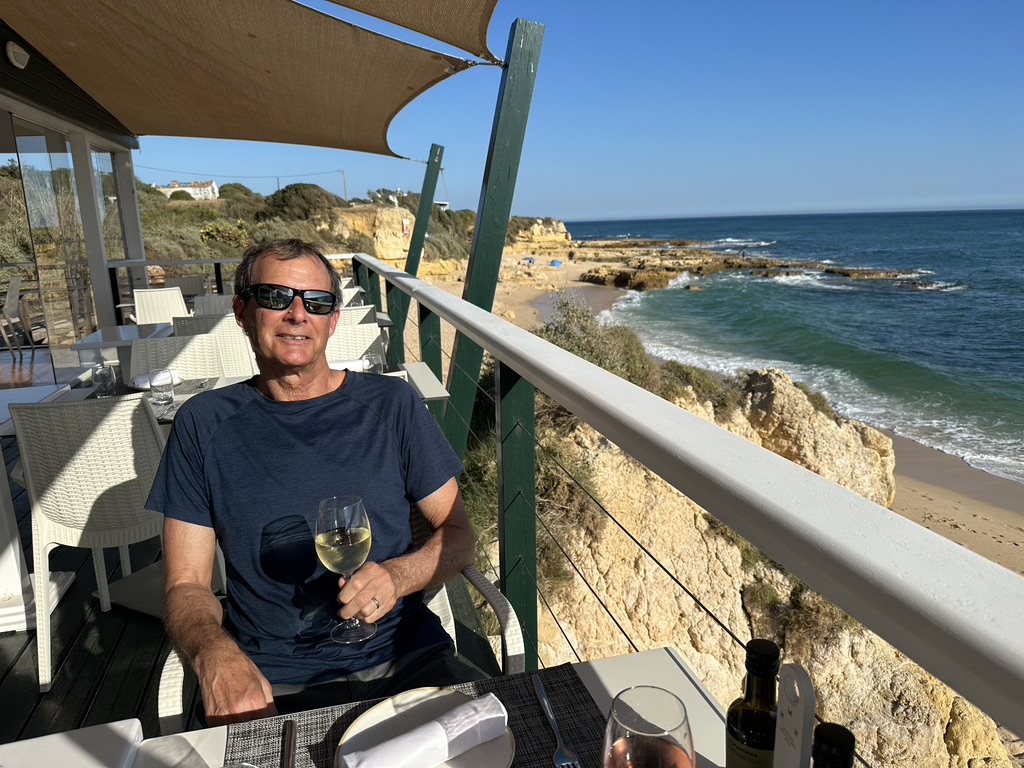
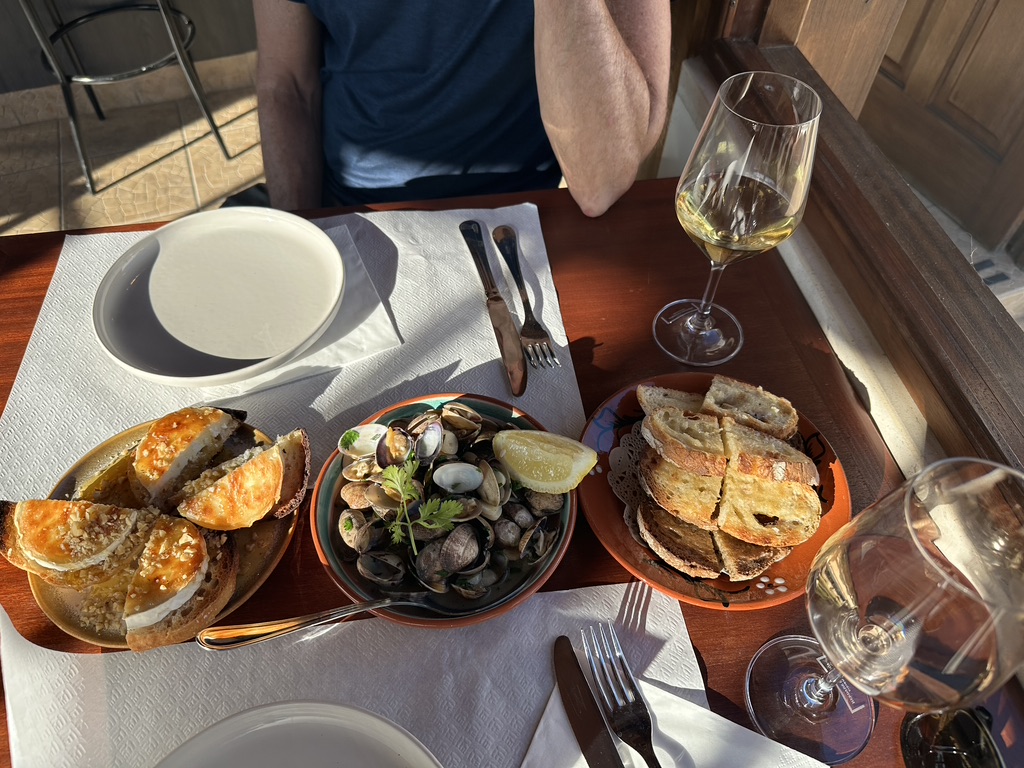
After a day of driving to reach Albufeira, we didn’t want to get back in the car to find dinner so we walked ten minutes down to the beach to find Restaurante Lourenco. At 6pm we were the first patrons in the dining room and scored a table outside overlooking the small beach. The service was warm and friendly, the steamed clams and grilled squid were simple and delicious, the wine was wonderful and the desserts were a perfect ending (along with the sunset). As we left, the staff said goodbye and we replied “See you tomorrow.”
Just like outside Lagos, there’s an extensive boardwalk system running over the dunes, connecting Albufeira to the next town to the west, Armacao de Pera. We spent the next morning strolling the walkway before returning to our rental for an afternoon on our terrace and dinner back at Lourenco. Our final day was designated to hike the Seven Hanging Valleys trail near the town of Carvoeiro, just a thirty minute drive from Albufeira. The trail had been touted as one of the best walks in the Algarve – what they don’t tell you is it’s also one of the busiest. We spent about an hour dodging folks on the trail, and while we still enjoyed the views of the rugged coast, we elected to turn around about half-way through the walk. Venturing into Carvoeiro, we found crowds of a different kind – Brits on holiday, drinking the day away in the numerous outdoor cafes lining Carvoeiro’s center. Thinking ‘when in Rome’, we found a table and joined the fray. Wrapping up our tour of Portugal the next day, we drove back to Faro, returned our rental car and flew home to start another Colorado summer.

 The Rhum Line