The Rhum Line

The aimless and sometimes muddled route of a traveling couple looking for their next great adventure


Leave a comment

Whale Soup

We were standing on the pier in Puerto Vallarta, waiting for the water taxi to take us to Yelapa. The folks in front of us looked at our packs and asked, with a tinge of surprise, “You’re staying in Yelapa?”. When we answered that we were, indeed, staying over, they were even more surprised to hear we would be spending an entire week there (most folks visit the town on a day trip), “Hope you find enough to do!”. We were thinking the same thing on the forty-five minute boat ride, which is the only way to access this off-the-beaten-track beach town. But after our first couple days in town, we were wondering if a week was going to be enough time to see and do everything this little gem has to offer.

A view of Yelapa town from the bay

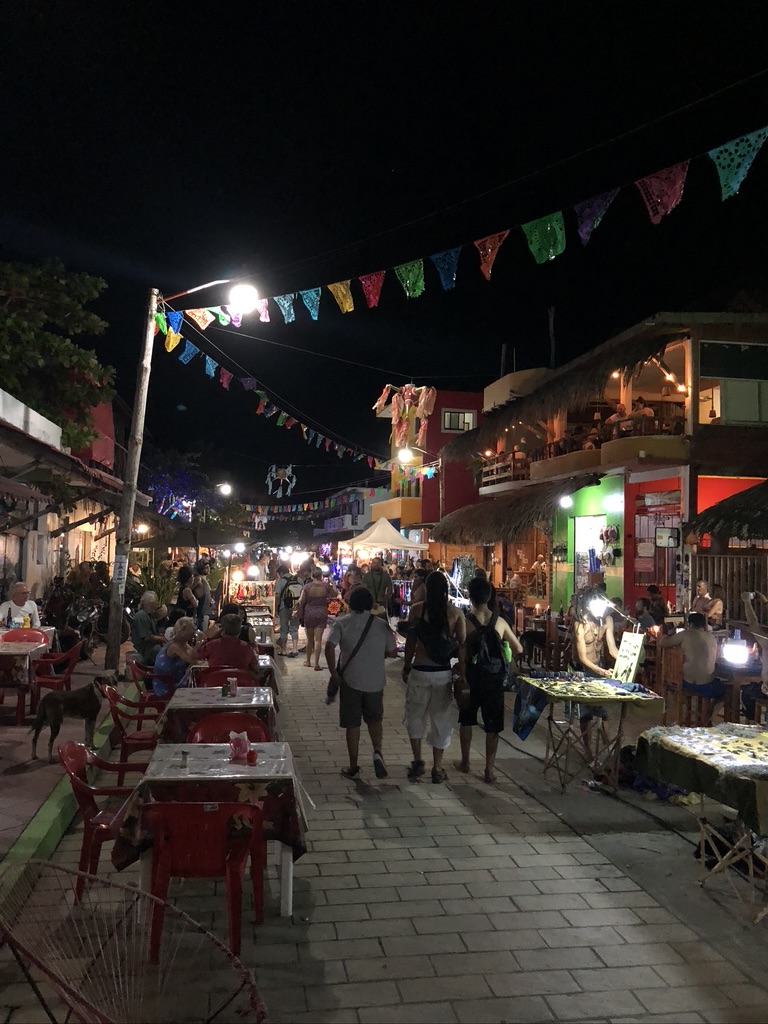
A taco vendor on the streets of Yelapa

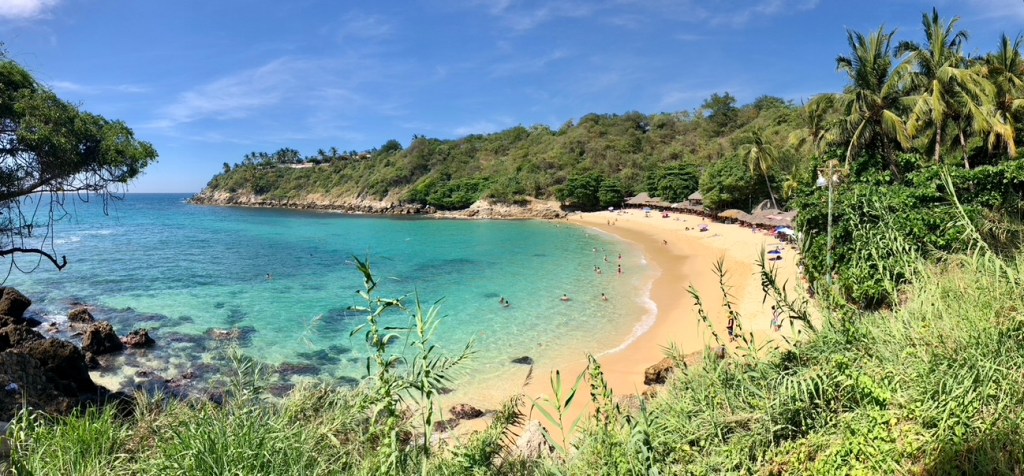
Yelapa sits on the southern side of Banderas Bay, squeezed between the forest-clad hills and the sea. As you enter the small inlet, the golden sands of it’s beach occupy the left side and it’s rambling village climbs up the hillside to the right. A river splits the two areas, tumbling down a narrow valley that reminds one of Jurassic Park. At the top of that valley, after a one hour hike, we found a cascading waterfall that filled a small swimming hole, a refreshing reward for the dusty and sweaty walk. About halfway along the trail, at a slight bend in the river where enough sand has accumulated to form a small beach area, we found the Jungle Garden. This family-run operation offers hammocks and loungers on the ‘beach’, simple meals from their kitchen and beer and cocktails from the bar. It’s perhaps one of the most pleasant places you could ever wish to while away an afternoon, soothed by the sounds of the river, taking in the view of the surrounding forest, listening to the screech of parrots and squawking of the green macaws that frequently pass overhead. While the macaws are an endangered species in Mexico, this little valley hosts the densest concentration of the birds anywhere in the country.
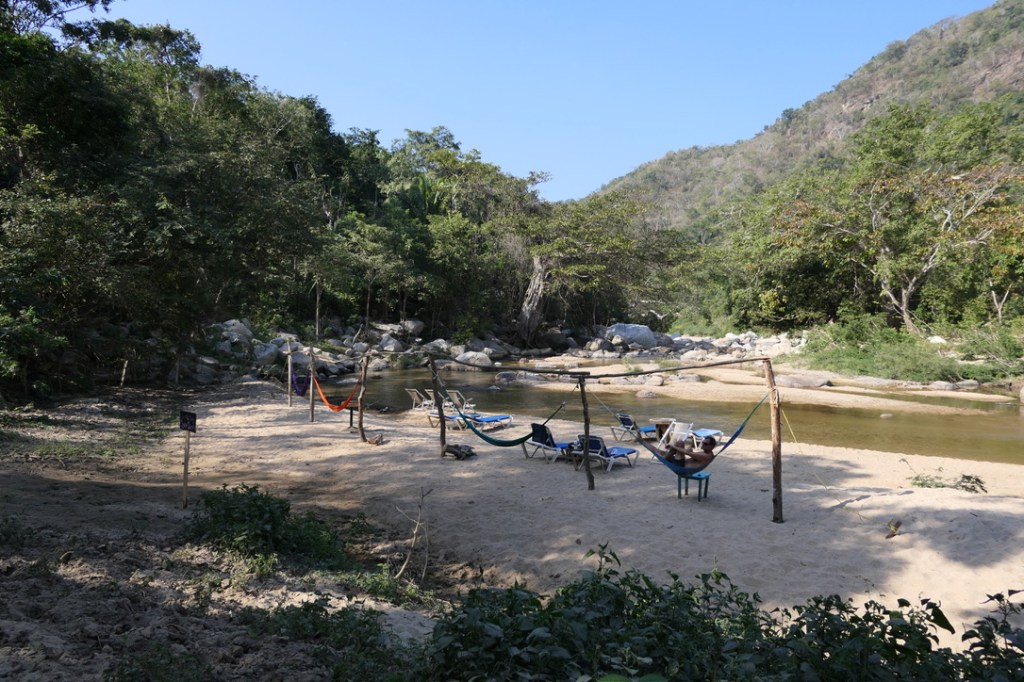
The Jungle Garden
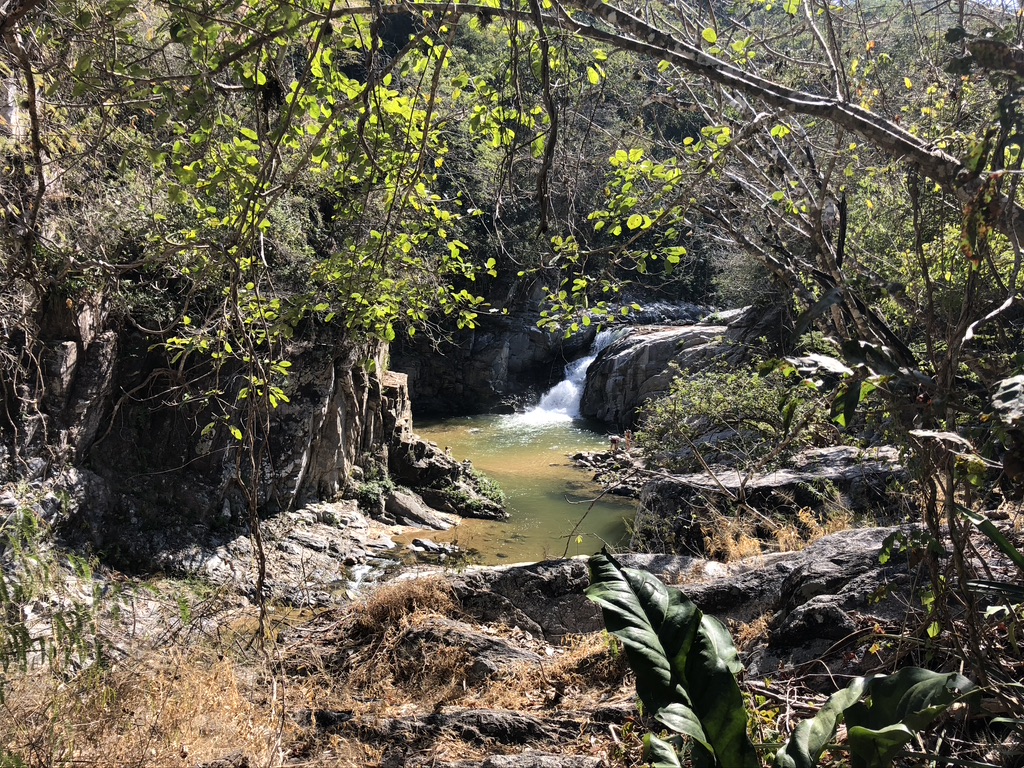
A refreshing swimming hole beckons at the base of the falls

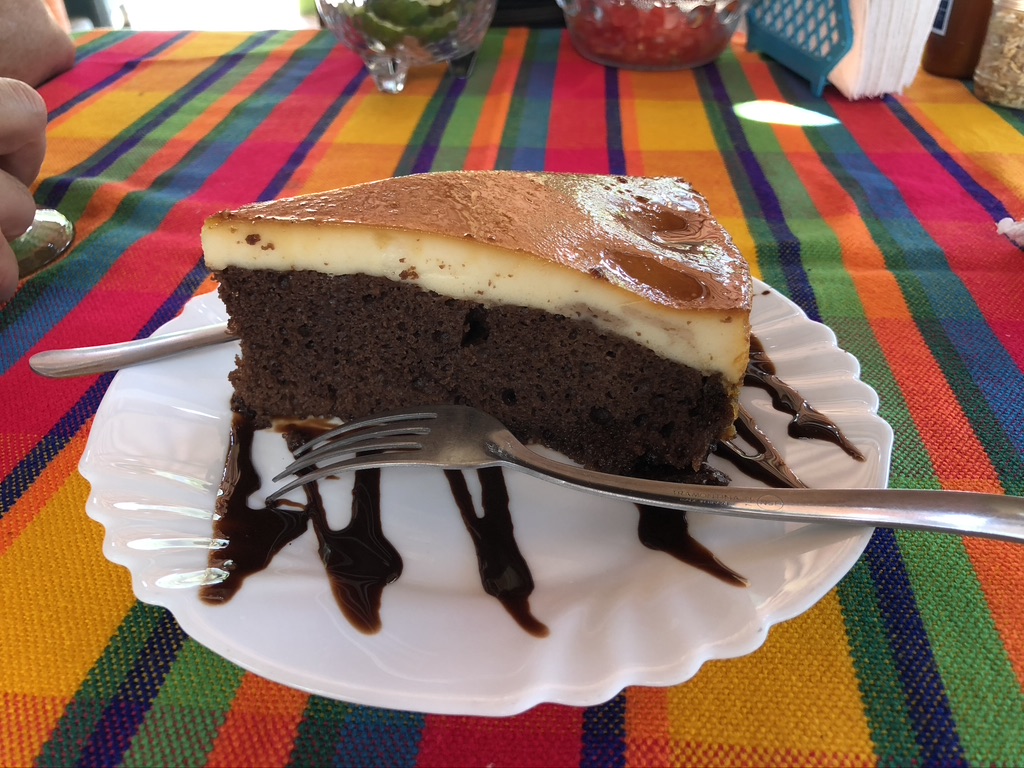
The beach is mediocre – fishing boats and water taxis bob in the surf just off the beach, a handful of restaurants have tables set up and day boats from Puerto Vallarta arrive regularly to disgorge passengers who will eat, drink, wander through town and return to the city before nightfall. In the village we found a couple small shops to buy fruit for our breakfast; a number of stalls offering micheladas, the classic drink of beer, lime and tomato juice served in a glass rimmed with chile salt, as well as raicilla, a regional liquor made from agave; and a number of restaurants that open for dinner, or not, depending on the whims of the owners. We were impressed by our meals – sublime octopus tostadas, simple fried shrimp tacos, over-stuffed burritos, BBQ chicken and choco flan – a layer of custardy flan topping a base of moist, rich chocolate cake.

Don’t hate me for enjoying grilled octopus!
Choco flan – our new addiction

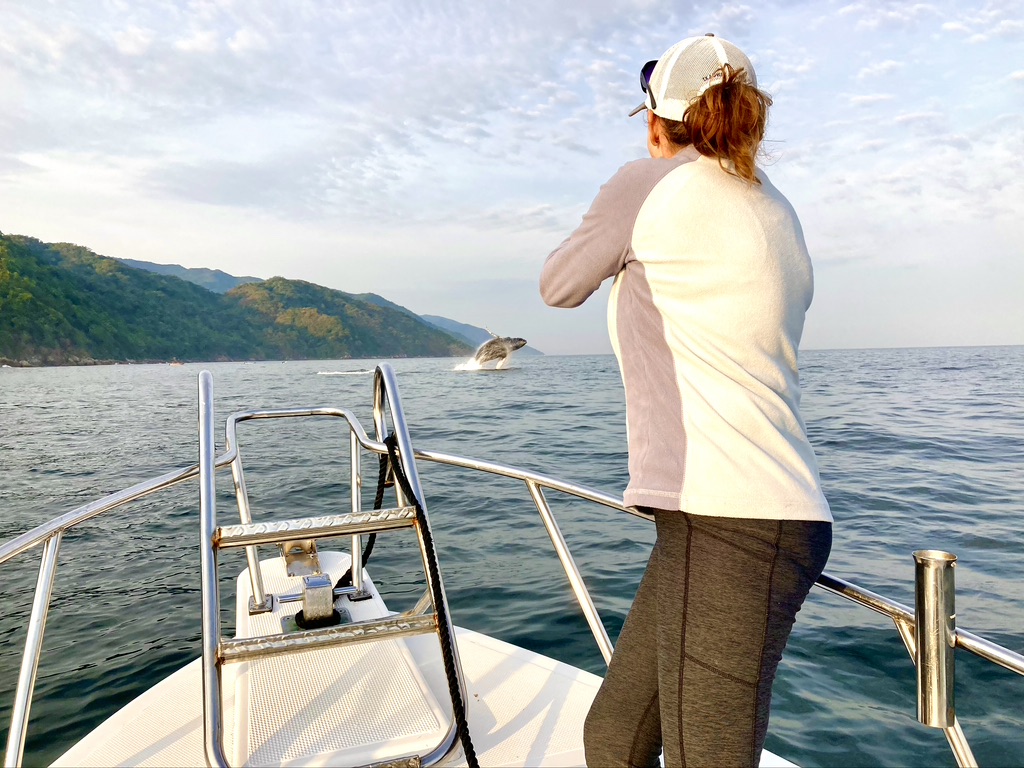
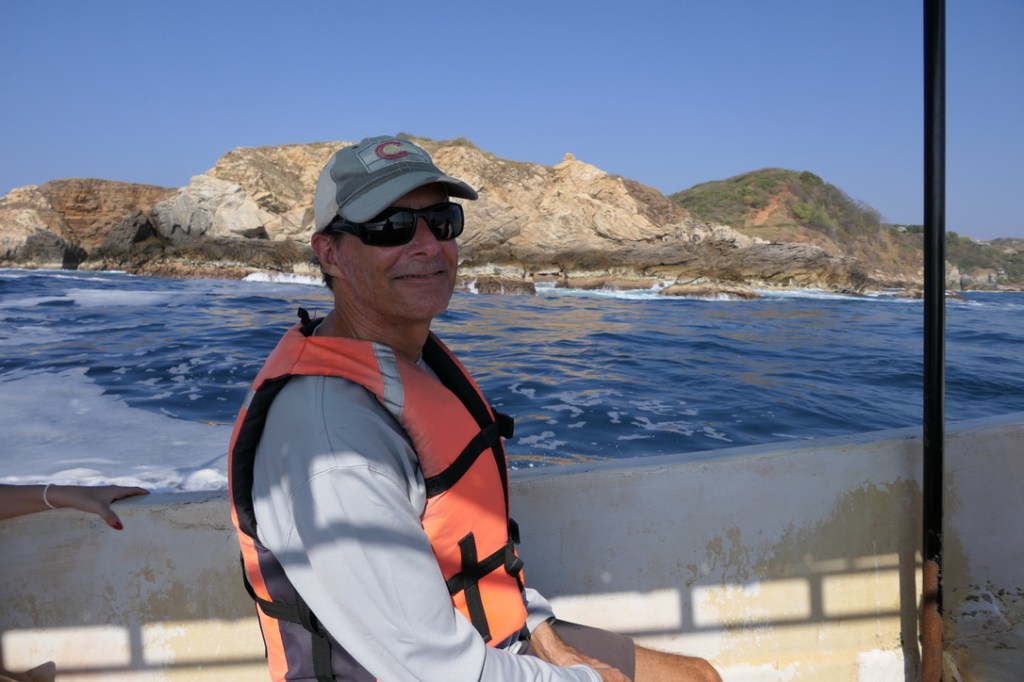
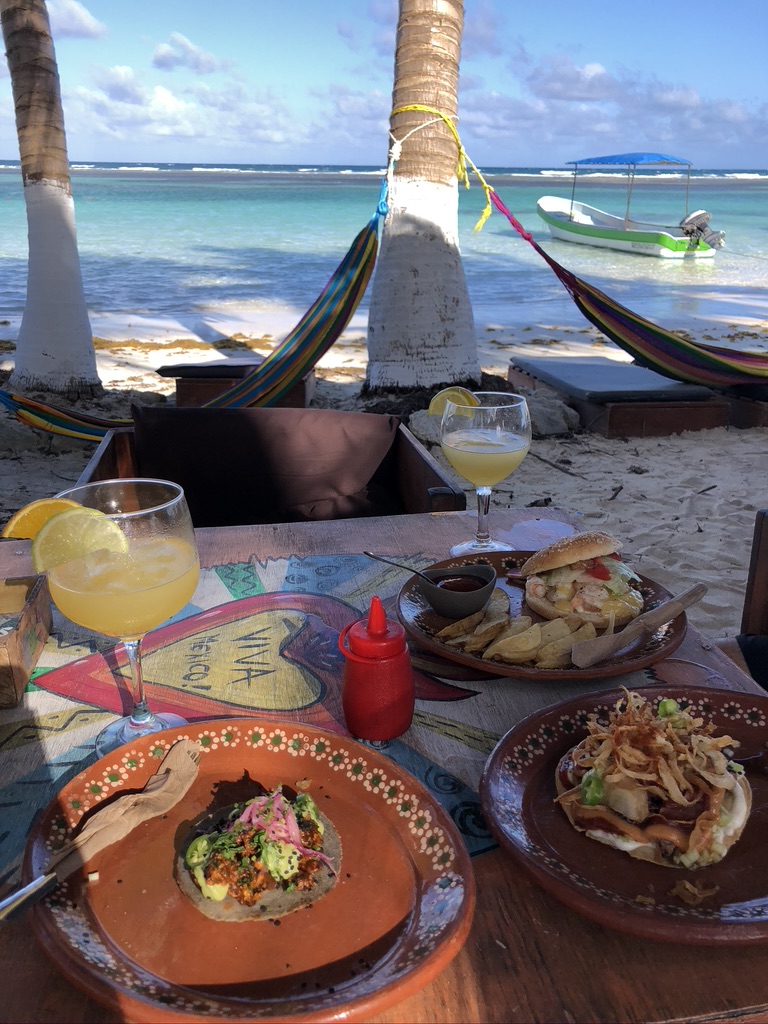
Mornings in Yelapa are prime whale watching time, when the ‘whale soup’ is most active. Each day Heather and I would take our bowl of fruit, yogurt and granola, along with our binoculars and her camera, to the rooftop terrace of our guesthouse. Over breakfast we would watch as humpbacks would cross the mouth of the small bay, new calves often breaching repeatedly. On the backside of the building, facing the hillside, a variety of birds would sing and flit from tree to tree. Iguanas would perch on exposed limbs sunning themselves. While watching the whales from afar was exciting in its own right, we needed to get out into the ‘soup’. Our host arranged a half-day boat trip with Luis, who picked us up from the town pier one morning promptly at 8 am. We motored out of the bay into Banderas Bay proper and headed east. It wasn’t long before Luis spotted the spout of a whale in the distance. When we caught up to them, we could see it was a group of two females and a calf. For the next hour and a half we slowly trailed behind them as they spouted, showed their massive backs, leapt out of the water, showed their tail flukes before diving for several minutes and then returned to the surface to entertain us yet again. When they eventually tired of playing and submerged, Luis set out two trolling lines and we motored west towards the open sea. We passed rocky coastline, an occasional fishing shack and stretches of deserted beach before the lines started to sing indicating we had fish on. Simultaneously we reeled in two nice bonitos. With the important work of whale-spotting and fishing done, Luis turned the helm over to Heather while he prepared a batch of bonito ceviche, which we all enjoyed along with some ice cold beers he had stocked in his cooler. As luck would have it, Luis also owns a restaurant in town, and offered to cook the remainder of our catch for us the following day. At the appointed hour we found him behind the bar of La Manguito, where he introduced us to his wife (serving) and his sister (cooking). The bonito, grilled with garlic butter and served with rice, steamed vegetables and salad, was exquisite. The mango margarita was delicious and the choco flan almost stole the show.
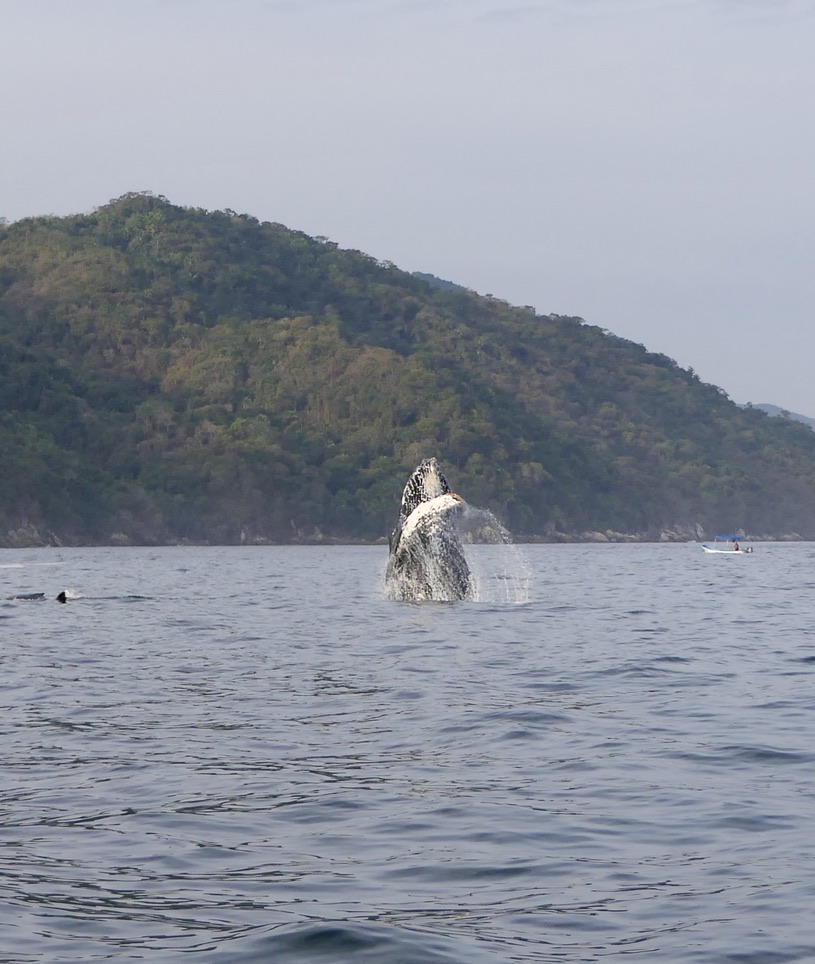
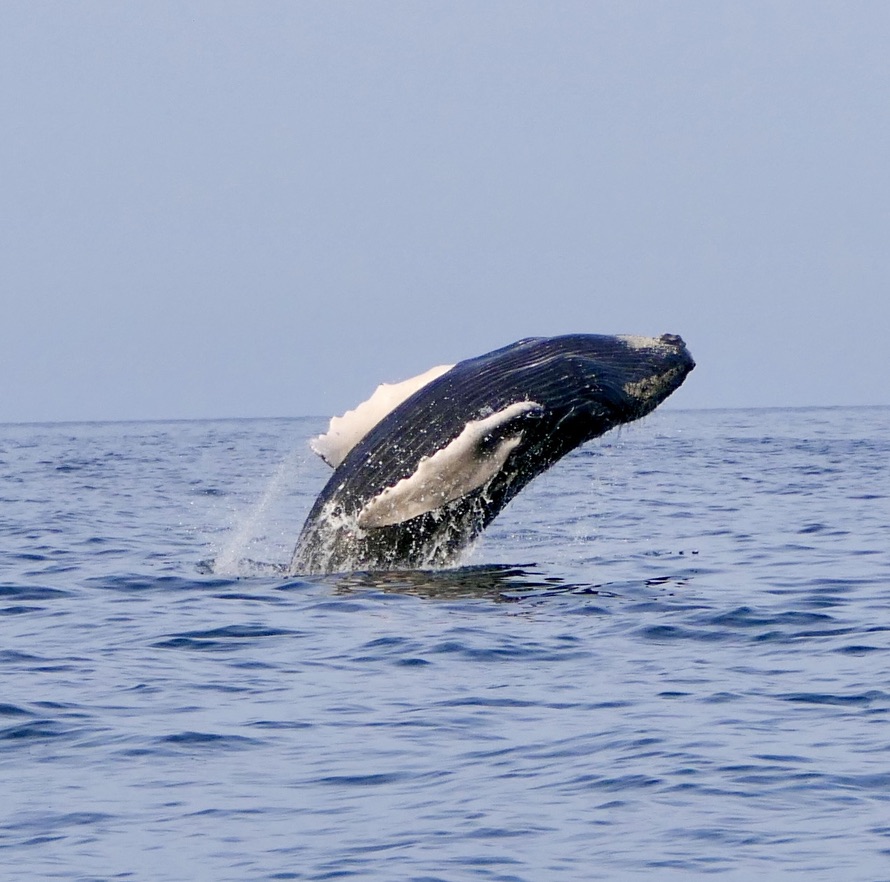
Play time!
Up close and personal
Heather in her element
Reeling in lunch

Gratuitous beach shot: beer, guacamole, sun and sea.

As we expected, our week was up far too soon. Reluctantly we left Yelapa on a mid-day water taxi back to Puerto Vallarta to pick up a rental car that would take us around Banderas Bay to it’s northern point – Punta de Mita, where we planned to stay for the next week. Our visit there, and the beaches to the north in our next post!

Leave a comment

A Taste Of Winter

My dad is 94 years old. As a matter of fact, he turned that ripe old age while in the hospital in early December for treatment of a case of pneumonia. It was because of that hospital stay that I found myself flying back from sunny and warm Mexico, wondering how my wardrobe of tank tops, shorts and flip flops was going to fare in wintry New York. My father’s a tough guy and he’s a wonder for his age – he only gave up playing golf (always walking nine holes a couple times a week) a few years ago because he had outlived all his playing partners. He’d been hospitalized before in order to have a pacemaker implanted – my brother and I only received the notice of this procedure after dad had returned home and was already back working in the garden and mowing the lawn with his old push mower. Mom stuck the news of his health issue in between talk of the weather and the current state of the Yankees season (two of her favorite topics). But battling pneumonia, and a subsequent episode of heart arrhythmia, took its toll and he and mom needed a little help around the house until he could get back on his feet. I’m happy to report, after three weeks of separation from Heather, who had to make the best of a lonely holiday season nearly three thousand miles away, I’m back in Mexico and we’ve resumed our winter travels.

Not happy – getting my COVID test before leaving Mexico for the US.

This doesn’t help – receiving text messages like this from Heather while it’s cold and snowing in New York.

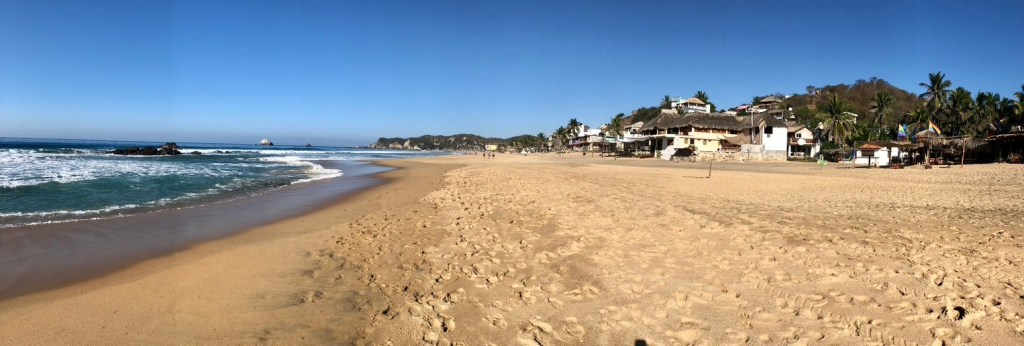
While I was gone, Heather spent most of her time in Zipolite, a small town on the Oaxacan coast. She first stayed there just after I left Mexico for New York, sticking to our plan we had made back in November. After five days there she continued on to Huatulco, just down the coast, but quickly returned to charming and friendly ‘Zip’, not enjoying the vibe of busy and noisy Huatulco. A friend had introduced her to two couples spending the winter in Zipolite, and the prospect of having company through the holidays was appealing. She was right about Zipolite – the scenery was beautiful, sunsets spectacular, food delicious and the vibe was relaxed, low-key and welcoming. The cobblestoned ‘main’ street, which runs behind the beach, came alive at night as restaurants set up their tables on the curb, stalls appeared offering ice cream and other snacks, and artists displayed their handicrafts. There were plenty of dining options right on the beach as well, offering the added spectacle of the setting sun and crashing waves. We were tempted to ditch the plan at this point – settling into friendly Zipolite seemed like the right thing to do. But it was high season and rooms were scarce, and nonrefundable flights and accommodations for our next leg meant we would be moving on.

Funky Zipolite on a typical winter day.

Main street comes alive for the evening.

Our next stop would be the tourist mecca of Puerta Vallarta, further north in Jalisco state. Since we were flying into ‘PV’ in order to visit some beaches north and south of there, we thought we’d spend three nights and see the sights. We weren’t expecting much – a fairly large city and tourist hordes aren’t our cup of tea, but we scored a decent hotel room just two blocks from the beach and some online research and friend’s recommendations told us that there were good dining options just steps away. I must say – we were pleasantly surprised by the city: the wide malecon fronting the bay was a pleasure to walk, we caught a brass band concert in one of the parks, a profusion of murals added color to the streetscape and the food was outstanding. Our first night we dined on fresh snapper served over white beans with fennel and a lemon sauce; while waiting in line at one of the city’s most popular taco joints we met a local family who invited us to join their table where we had the best tacos pastor EVER, along with great conversation; and our final night we met up with some old friends (they’re spending the winter in PV) for yet more tacos and beer. We could have stayed longer, but felt like we had experienced the best town had to offer and we were ready to head to our next destination, which would offer a complete change of pace from the bustling city.

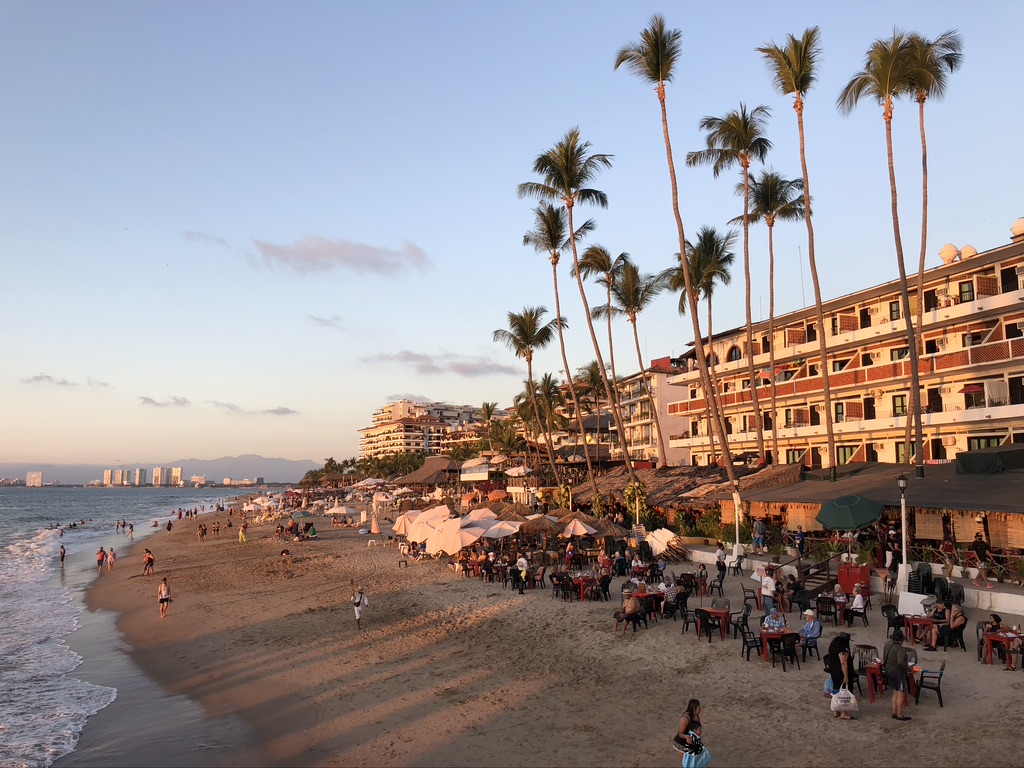
This might look to be a bit much – but it grows on you. Puerto Vallarta beachfront.
Music fills the air from the bandstand in one of the downtown parks.
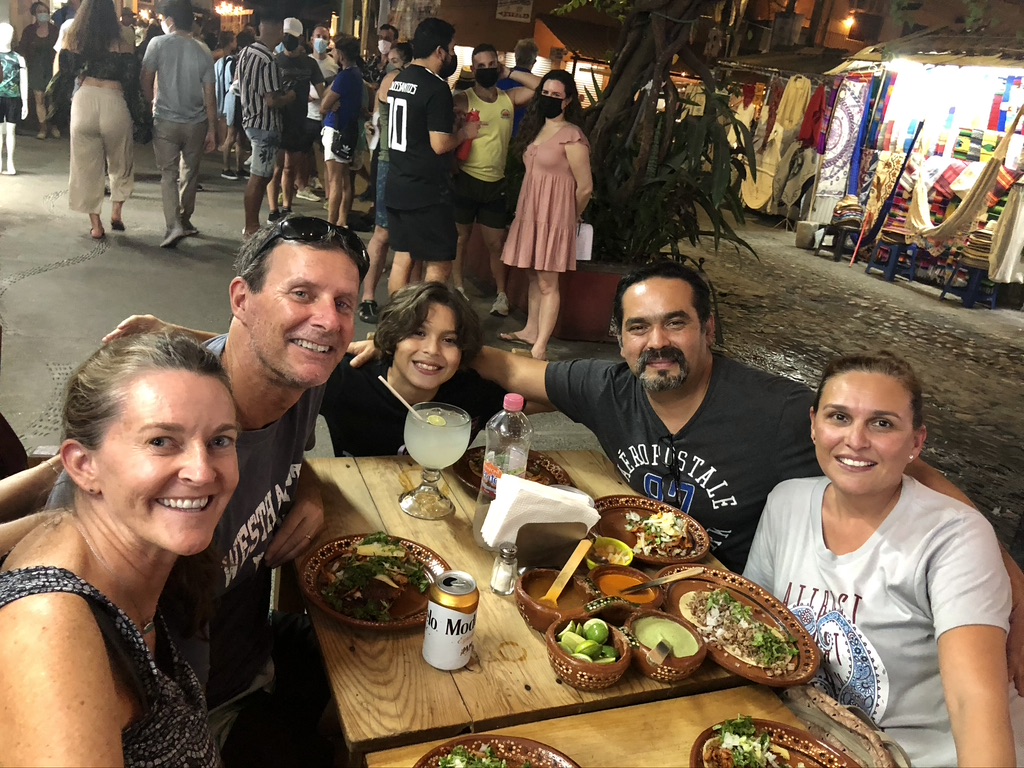
Enjoying tacos al pastor at Pancho’s Takos with new friends.

Note: After this post went out Heather reminded me of one teeny-tiny omission in my description of Zipolite: this beach is the only officially-sanctioned nude beach in Mexico. Something to be considered if you’re thinking of visiting. Don’t know how I overlooked this. Some things can never be unseen.


Leave a comment

Sunsets Are Back

Bob Marley’s Waiting In Vain wafted from the single speaker to our spot in the hammocks. Looking beyond the tables under the palapas, and past the loungers under colorful umbrellas, the Pacific glistened under the mid-day sun. It was hot, and no one was out on the beach. In fact, no one was in the water. Or at any of the tables, hammocks or loungers at La Punta, the restaurant on Playa Zicatela where we had chosen to spend a Friday afternoon. There simply weren’t any visitors around, explained our host, as he handed me a frosty Pacifico beer – the crowds wouldn’t show up until Christmas, and it was still early in December. We had braced ourselves for a crowded, raucous scene on Puerto Escondido’s most famous beach, but instead, we enjoyed one of the most relaxing afternoons ever – swinging in our hammocks, sipping cold beers, listening to the music, eating a plate of fish and salad and watching the sun dip towards the ocean.

There’s a beach for everyone in Puerto Escondido – beginning surfers and the backpacker crowd spend the day at Playa Corrizalillo; locals flock to tiny Puerto Angelito or Manzanilla; those seeking solitude (or to watch the nightly turtle hatchling release) head up to the long stretch of sand at Playa Bococho; and for advanced surfers and those looking for a late-night scene, there’s Zicatela. With an international airport and the main coastal highway running through town, Puerto Escondido has easy access. We had flown in from Cancun after our month in Puerto Morelos, ready to explore a region of Mexico neither of us had visited before. The coast of Oaxaca boasts a string of beach towns that we plan on seeing over the next month – after Puerto Escondido there’s Mazunte, Zipolite, San Agustin and finally Huatulco. Another thing we were anxious to do here was view sunsets over the Pacific, which were lacking over in east-facing Puerto Morelos. While each beach here in Puerto Escondido may appeal to different segments of the traveling population, they all have one thing in common: stunning sunsets.

Pretty little Playa Corrizalillo.
A lazy afternoon on Playa Zicatela.

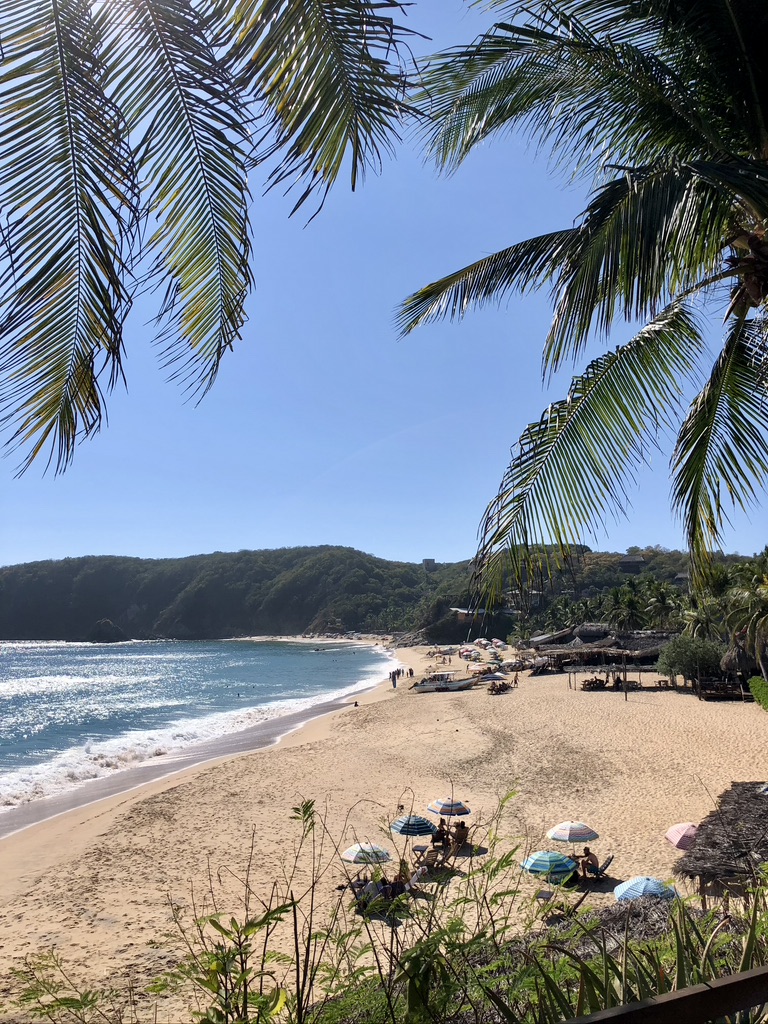
Our week in Puerto Escondido passed quickly. Besides our relaxing afternoon on Playa Zicatela, we enjoyed delicious breakfasts and fresh juices at a local cafe, went to quiet Playa Bacocho to set up our sunshade and spend the day cooling off in the protected shallows behind some rocks in the otherwise rough and riptide-prone surf; and savored delicious dinners at a variety of ethnic and Mexican restaurants. Too soon, it was off to little Mazunte, a village about one-tenth the size of Puerto Escondido. Here we had a room at Posada Ziga, a family-run guesthouse with an eclectic mix of rooms stacked at the end of the beach, perfectly quiet, with a thatched palapa where we could hang our hammocks for the afternoon, and when thirst hit, take a few steps over to the bar next door for a beer or mojito. Seems we had found paradise yet again.

The view of Playa Mazunte from our guesthouse.
A whale-watching tour from Mazunte – along with turtle, dolphin and ray-watching.

After a few days we had settled in to our new routine – breakfast at our hotel, morning beach walk and swim, afternoons in the hammock and evenings choosing among the many dinner options available in the village. It would be hard to leave Mazunte at the end of our week, even though we were planning to move just down the coast once again to Zipolite. However, news from the US would have me moving sooner than expected, and not to another quaint little beach town.


Leave a comment

It’s Good To Be back

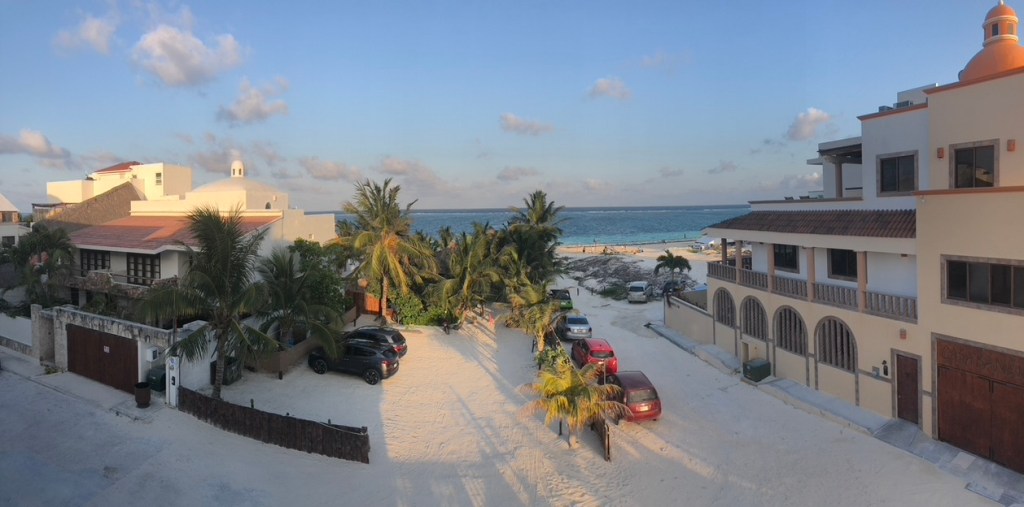
The birds are chirping and the morning breeze rustles through the foliage outside our window. Soon, the sing-song Spanish of the staff floats up to our room. A bell peals in the distance, a sign the vegetable vendor is pushing his cart along the neighborhood streets. The temperature is in that sweet spot – from a low of 70 to a high of 82, meaning I won’t have to wear more than a pair of swim shorts from the time I get up until I get back in bed at night. Happy doesn’t begin to describe the feeling of being back in Puerto Morelos.

Back in our happy place!
PM, as it’s known by many, is one of those infectious beach towns that hits all the right notes. Located just thirty minutes by car from Cancun, it’s easily accessible yet far enough away from the raucous crowds that descend on that popular tourist town to the north to be termed ‘quiet’. It still retains it’s small town charm – and it’s small-boat fishing fleet, indicating it hasn’t given over completely to the tourist trade (folks visit here on day trips from Cancun to see ‘a real Mexican town’). No jet skis or parasailing operators ply the calm waters of the Caribbean, which lie at the edge of a long stretch of white-sand beach, which, incidentally, runs all the way up to Cancun. We visited PM back in March of this year, intending to stay for four days as part of a two-month road trip around the Yucatan Peninsula. Those four nights stretched to two weeks, then we returned for a second two-week visit at the end of the trip. Suffice it to say that Puerto Morelos has captured our attention.

Now we’re back for a month to start our winter travels. PM is the kind of town that will entertain the active traveler – there are snorkeling trips out to the reef, deep-sea fishing charters, dive operators and an entire twenty-mile route lined with cenotes (freshwater-filled limestone sinkholes) to explore. If you’re looking to take it easy and just relax, PM has got you covered – the wide white sands of the beach host several massage tents, roving vendors walk the beach offering fresh-baked treats and snacks, beach clubs offer lounge chairs and umbrellas and a multitude of restaurants are just steps away at the back of the beach. You’ll never have to give up that incredible view of the calm blue water while you rest, rejuvenate, nibble or feast.

Is it even possible to eat too many tacos?

While Mother Nature hasn’t read the memo that hurricane season is supposed to end November 1, and with it the near daily rain showers we’ve been getting, there’s still plenty of sunshine for beach walks, swimming and spending afternoons in our beach chairs enjoying the scenery. If the rain does start to get us down, we just have to hold out to December, when we’ll head over to the Pacific coast of Mexico – where there’s no rain this time of year – to explore the shores of Oaxaca, Nayarit and Jalisco states. I hate to say it, but someones got to do it.

Stormy weather doesn’t dampen the beauty of this quiet little town.


Leave a comment

A Trip To The Boundary . . . Of The Boundary Waters

“Where’s the food pack?” Mark asked. He had gone to the rear of our campsite overlooking Birch Lake to retrieve some items for our dinner preparation, which was taking place at the front of the site. Matt and I looked at each other, thinking that Mark was just goofing around. But when we walked to where he was turning in circles looking over our pile of camping gear, we realized our food pack was really missing. ‘What the f…’ we all thought. We fanned out and stepped into the thick brush and shrubs bordering the back of our site. Almost immediately Mark called out that he had found the pack – splayed open, the small duffel bag that contained all our dinner items lying a few feet away with two large holes torn in its side. As we gathered it and a couple more items that had fallen out of the larger pack I heard a rustle of brush and caught the western end of an east-bound brown bear lumber into the deeper forest. Nervously chuckling as we repacked the food, noticing only our large ziplock bag of trail mix had been devoured but most everything else was intact, Mark and I returned to the duty of dinner prep, while Matt pulled out the ropes, carabiner and pulley that he would now have to rig to hang our food pack from one of the nearby pine trees.

On the boundary of the Boundary Waters

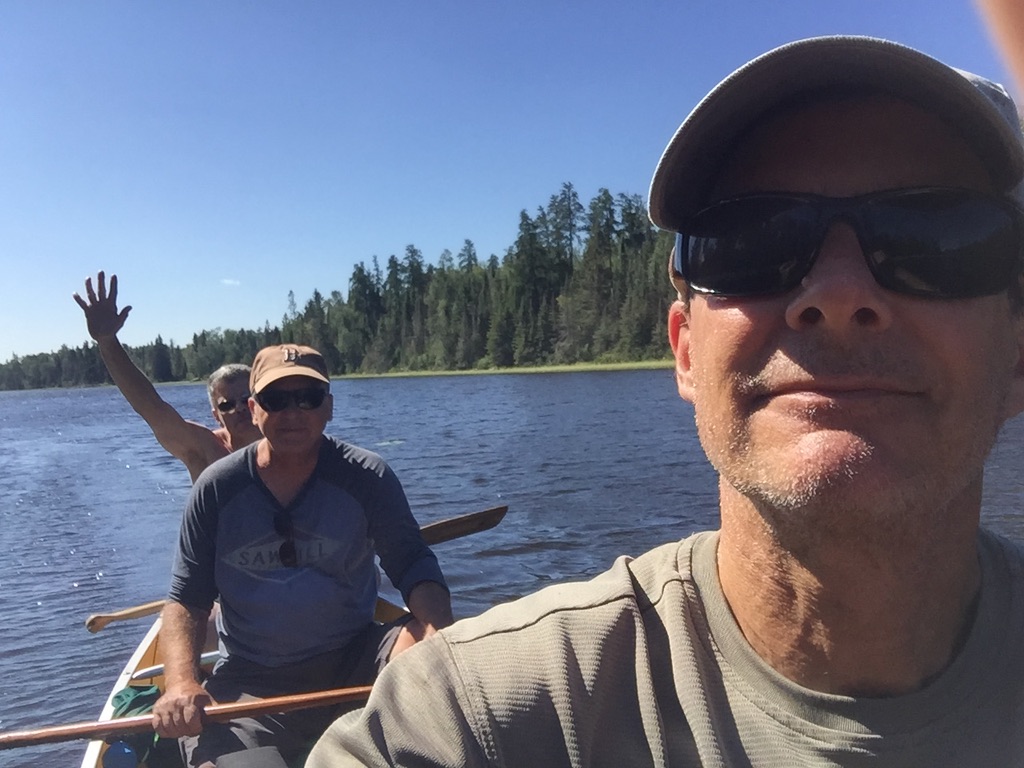
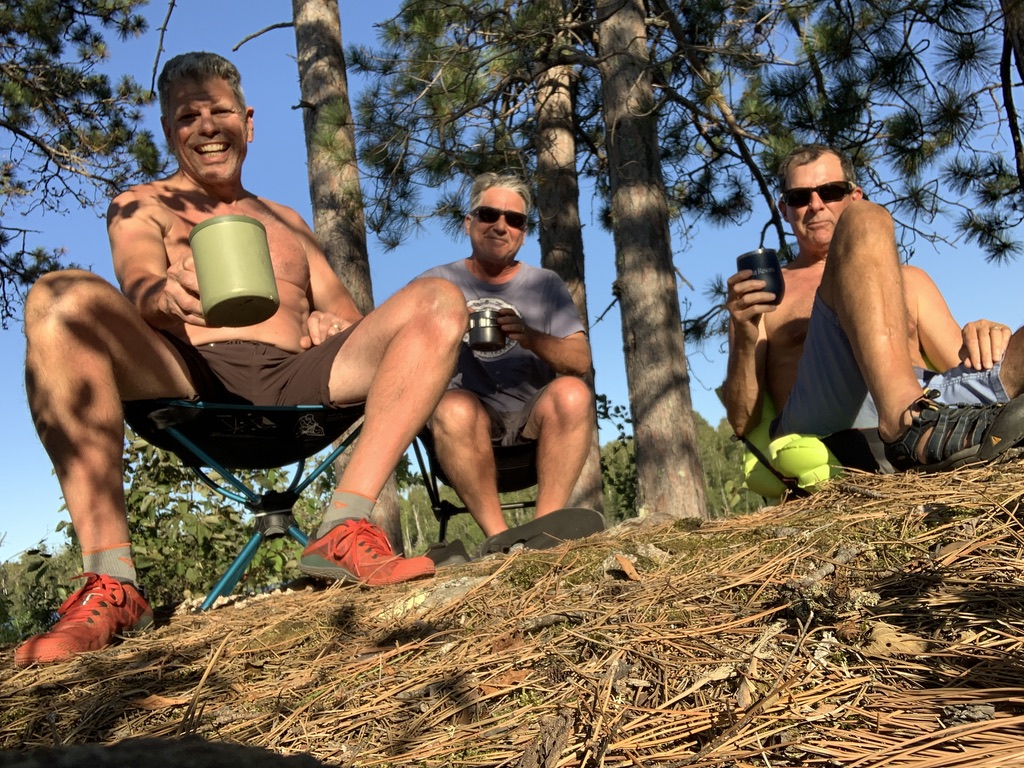
Matt, Mark and I have been visiting the Boundary Waters (officially the Boundary Waters Canoe Area or BWCA) of northern Minnesota for over ten years. The wilderness area stretches for 150 miles along the US-Canada border, encompasses over 1,000,000 acres and contains 1,100 lakes of various sizes. The three of us, friends who met while attending SUNY Plattsburgh in northern New York maaaany years ago, spend six days paddling the pristine lakes, portaging the trails that link them and enjoying evenings around the campfire grilling meat, sipping libations and swapping stories. Matt excels at the role of planning, logistics and provisioning. He sketches out our route, secures the necessary permit and canoe rental and plans our meals. Mark revels in staying active during our camp stops, so enjoys swimming out to fill our filtration bags in the frigid lakes, gathers and splits firewood, and supplies tunes for the evening campfire sessions. My sole responsibility is to execute Matt’s meal plan – grilling the steaks, chops and sausages over a wood fire and embellishing the freeze-dried or instant side dishes. And making cocktails – a changing selection of various liquors mixed with purified lake water, that when called a ‘mojito’, ‘margarita’ or ‘dark and stormy’, seem infinitely more satisfying after a day of paddling. This year marked my tenth trip to the BWCA and Matt had plotted a course starting from Sawbill Lake in the eastern portion of the wilderness area. One day prior to my departure from Colorado Matt emailed to inform us that the east side had been shuttered due to fire danger. But he had acted quickly upon being informed of that closure and had secured the last permit to enter the western section through Moose Lake, outside the town of Ely. Crisis averted. Upon our arrival at the Duluth airport the next day, Matt had more bad news for Mark and I – wildfires had now forced the closure of the entire Boundary Waters. With a rental car full of provisions and our camping gear, we sat in the car in the airport and discussed our options. Eventually, a new plan was hatched. We would drive to Ely, confer with the outfitter who was supplying our canoe, and find a lake, any lake, that we could paddle and camp on for the next six days. The guys at Canoe Country Outfitters in Ely suggested we try Birch Lake – only twenty miles from town, large enough to keep us busy for six days, and offering about a dozen free campsites. Since it was outside the boundaries of the BWCA, and had road access to several points along the lakeshore, there would be motor boat traffic and more people than we would normally see during our week inside the Boundary Waters. But it sounded promising and we drove off the next morning towards the lake. Our first day we loaded our canoe and paddled along the shore, scouting out several of the campsites before settling on one that offered a nice rock ledge where we could enjoy the sunset over the lake as well as a spacious site to spread out on. As it turned out, maybe it was too spacious, as neither of us had any inkling of the bruin shenanigans going on behind us as we focused on the scenery in front of us.

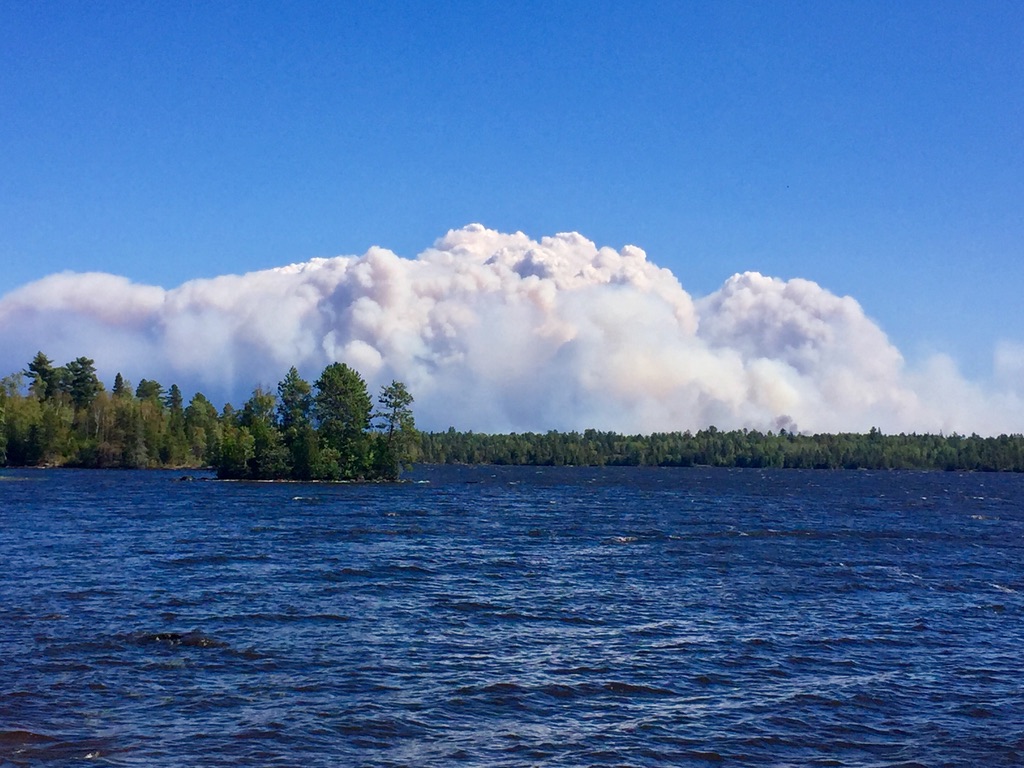
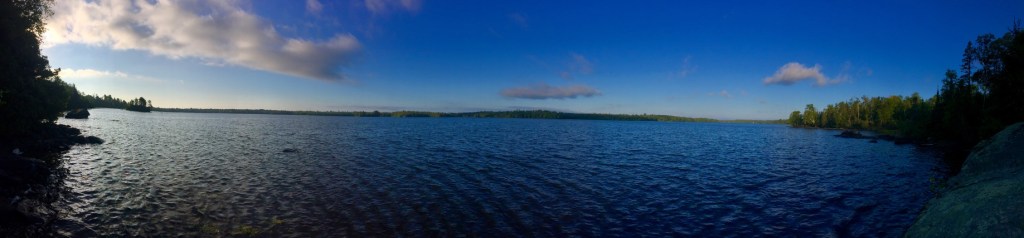
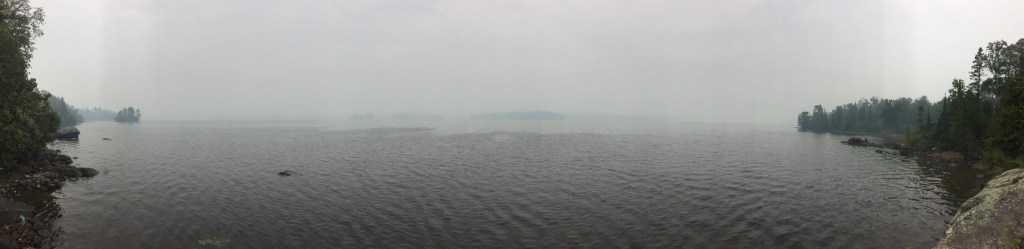
Waking up the following day to another gorgeous cloudless sky, I wandered down to the waters edge only to find a huge billowing cloud of smoke filling the eastern sky. The reason for the closure of the BWCA was now staring us in the face. While unsettling to see how close the smoke was (we would later learn that the fire had moved to within nine miles of our location), we were at least a bit comforted by the fact that it was on the other side of Birch Lake. So we spent the day exploring the bays and inlets of the southern shore of the lake, returning to our campsite early in the afternoon when the wind picked up and small white-capped waves formed on the surface. By the following morning, a wind shift had pushed the smoke our way and we watched from shore as the opposite side of the lake disappeared from view, cloaked in the heavy grey smoke. It seemed prudent to return to our access point and seek out some information on the status and movement of the fire, which was provided by the knowledgable host of the campground that abutted the boat ramp. Satisfied the smoke would clear and the fire activity would dampen with the approach of a cold front that afternoon, we spent the night in the Motel Ely (which advertises ‘Color TV’ as one of its modern amenities!) before returning to the lake and another delightful campsite on the bucolic shore of Kangas Bay, about four miles west of our previous site. The next two days were spent paddling the western reaches of the lake, dining on the rest of our provisions (cooked over our new gas stove due to the fire ban) and telling stories about our college years sitting around an unlit fire ring. On the sixth day we left Birch Lake and made the drive back to Duluth for our final night together, continuing the Boundary Waters traditions of celebratory beers at Sir Benedicts pub and pizza at Luce’s, two of our favorite Duluth institutions. While this trip may have lacked the peaceful solitude, wood-fired cuisine and the hauling of heavy packs along portage routes that makes the Boundary Waters so unique, there’s no doubt that the simplistic act of paddling your canoe across the calm waters of a lake, any lake, in northern Minnesota, with your friends, is simply one of the best ways to spend a summer week.

Bears on our side and fire on the other . . .

The view from campsite 1 Monday morning . . .

and then on Tuesday morning.

Bears, fire closures, smoke – the fun must go on!!

Back in Colorado once more fall has descended. The summer tourist crowds have thinned (thank god for in-school learning once again), the weather is stellar and the leaves are starting to turn gold and orange. Heather and I can start counting down the days until winter arrives and these ‘snowbirds’ flee to the warmth of the tropics. We plan to start with a month back on the Yucatan peninsula in one of our new favorite beach towns – Puerto Morelos. But before we head out we’ll enjoy one last fall road trip with Heather’s mom to the deserts of Utah and Arizona and a weekend down in the central Colorado mountain town of Crested Butte for a friends wedding.


1 Comment

Alaska: The Final Stops – Glacier Bay, Wrangell And Ketchikan

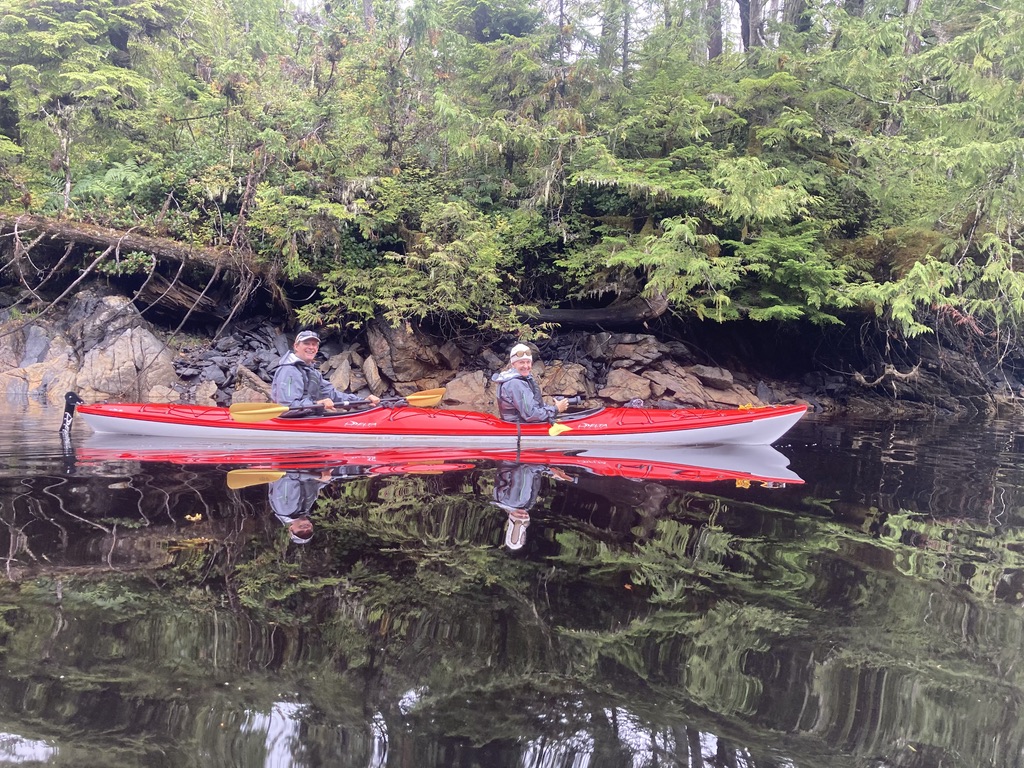
To say Tim and Mary from the Alaska Kayak Company are enthusiastic about ‘Southeast’, as local Alaskans call the Inside Passage, would be an understatement. They are authorities on all things in and around the waters that surround the beautiful islands of this area and love to talk it up. A question about commercial fishing? Tim will happily expound on the business. The timber industry? He’s got plenty to say (and apologizes for being so harsh). Birds, fish, whales, bears – reeeaaally loves to talk about them. Mary expounded on the local school system (she’s a science teacher there), the history of the area’s Native populations and her recent efforts to smoke and can the various types of salmon the couple catch in their free time. The four of us were experiencing another stellar Alaskan day – sunny skies, warm temperatures and light winds that were perfect for our three-hour kayak tour of the inlets and coves just south of Ketchikan. The weather was all the sweeter given that the forecast had predicted rain for our tour day right up until the previous evening. It made for the perfect ending to our 18-day trip to the ‘Last Frontier’.

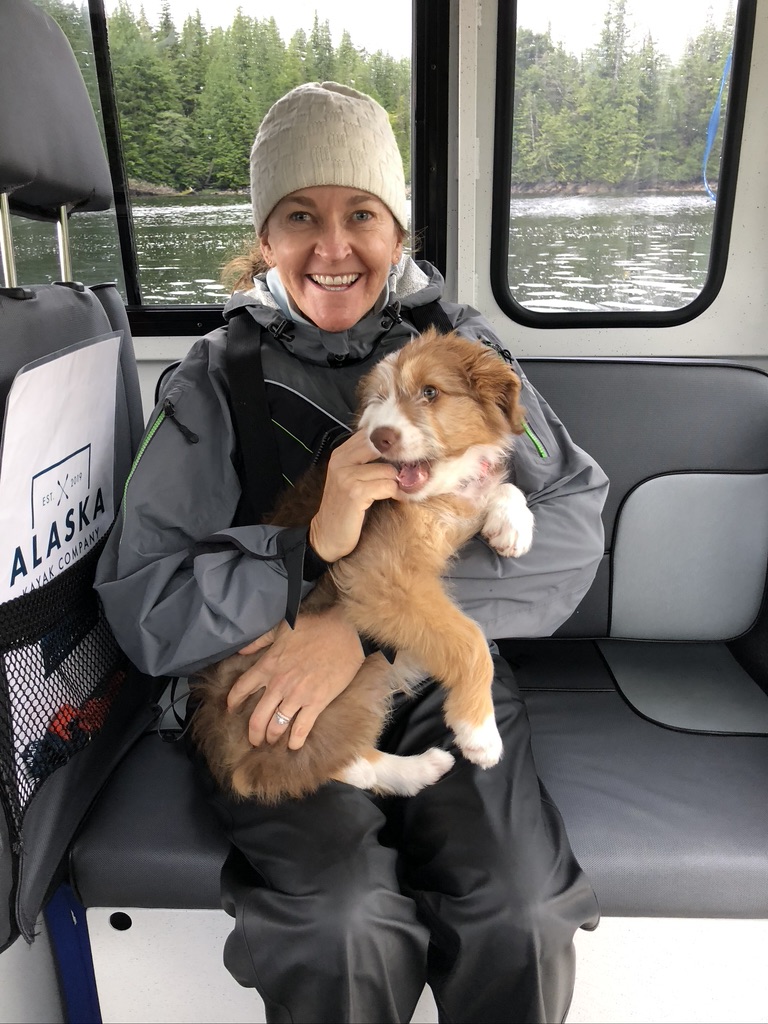
Ketchikan is a little town – though it’s population of just under fourteen thousand folks ranks it as the state’s fourth largest city and is home to a busy cruise ship port. The area around the docks is lined with the typical cruise port trinket shops, jewelry stores and tour operator stalls, interspersed with dive bars and restaurants offering fresh Alaskan seafood. COVID killed the cruise business last year and ships had just started returning to Alaskan ports during our visit. The disruption in business forced small operators like Tim and Mary to cater their trips to the few independent travelers that came last year, and they’re much happier for it. Accepting a maximum of only four guests per trip (Heather and I were the only ones this day) helps them offer a more intimate experience customized to that day’s guests desires. Having their adorable eleven-week old puppy ‘Mudpuddle’ aboard didn’t hurt either.

Mudpuddle!
Exploring the nooks and crannies of the Inside Passage
A view of Creek Street in Ketchikan’s Historic District

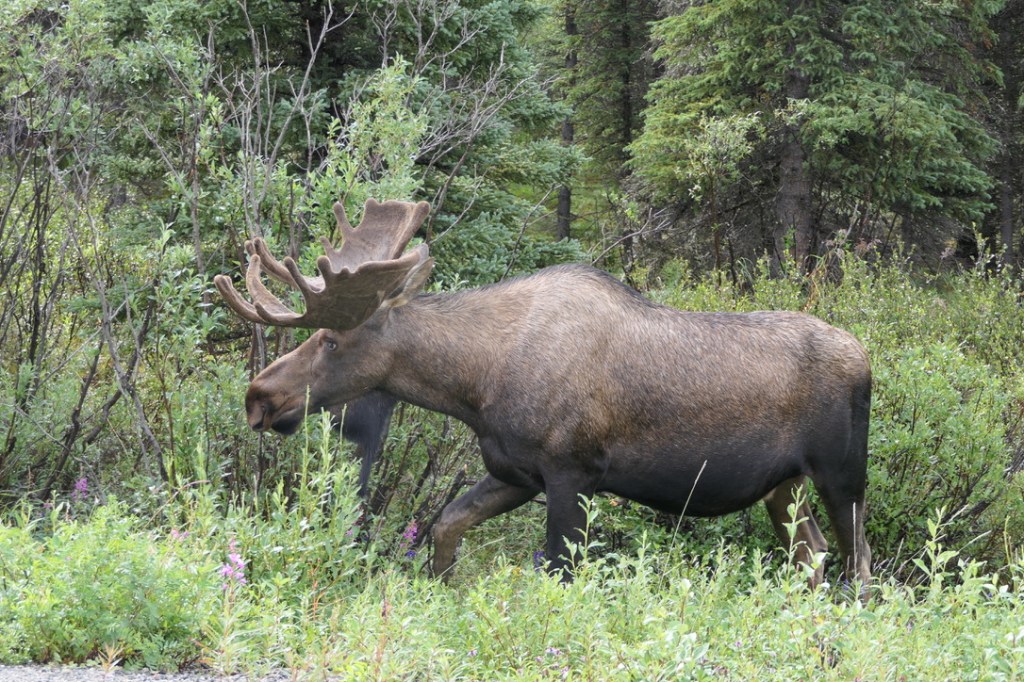
The final leg of our trip started five days prior with a stop in Glacier Bay National Park and Preserve. Arriving on a short flight from Juneau we were shuttled to the Glacier Bay Lodge, which sits right on the waters of Bartlett Cove at the southern end of the bay. It would be a convenient base (if only for one night) to explore the bay aboard the only boat tour allowed in the park, which departs from a dock just below the lodge. Bright and early the next morning as we headed to the lodge’s dining room for a quick breakfast, we stopped to watch a mother moose and her calf grazing just steps from the restaurants front door, before moving off into the thick woods. We were seated at a table just in time to hear the folks sitting next to us lament that they had yet to see a moose during the entirety of their eight day Alaskan trip. We didn’t have the heart to tell them of our sighting moments ago (that brought our total to 13). After breakfast we boarded the high-speed catamaran and set out into the waters of Glacier Bay. The onboard National Park naturalist offered commentary on the ecology and geology of the park, the history of the Natives who first inhabited the area, the arrival of Western traders and trappers, and provided plenty of information on the wildlife. And there was plenty of wildlife – harbor seals played in the waters of Bartlett Cove as we departed, sea otters floated on the waters surface near the shoreline, puffins and other seabirds populated the rocky islets we passed, humpback whales could be seen spouting and flicking their tails in the distance (the whales were in protected areas of the bay which prevents the boat from altering it’s course to get closer to them), brown and black bears prowled the rocky coast and mountain goats appeared unfazed as they clung to steep rocky faces that dropped precipitously to the waters edge. The final attraction was arriving at the face of the immense Margerie Glacier, a 21-mile long tidewater glacier at the northern reaches of the bay.

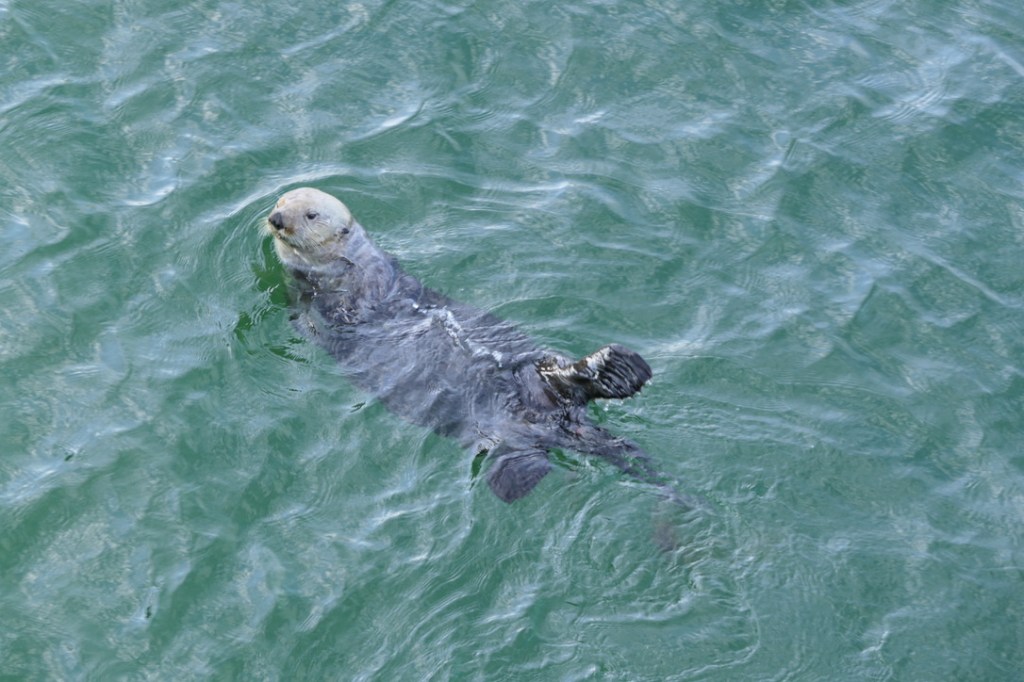
Sea otters greet us as we begin our tour of Glacier Bay
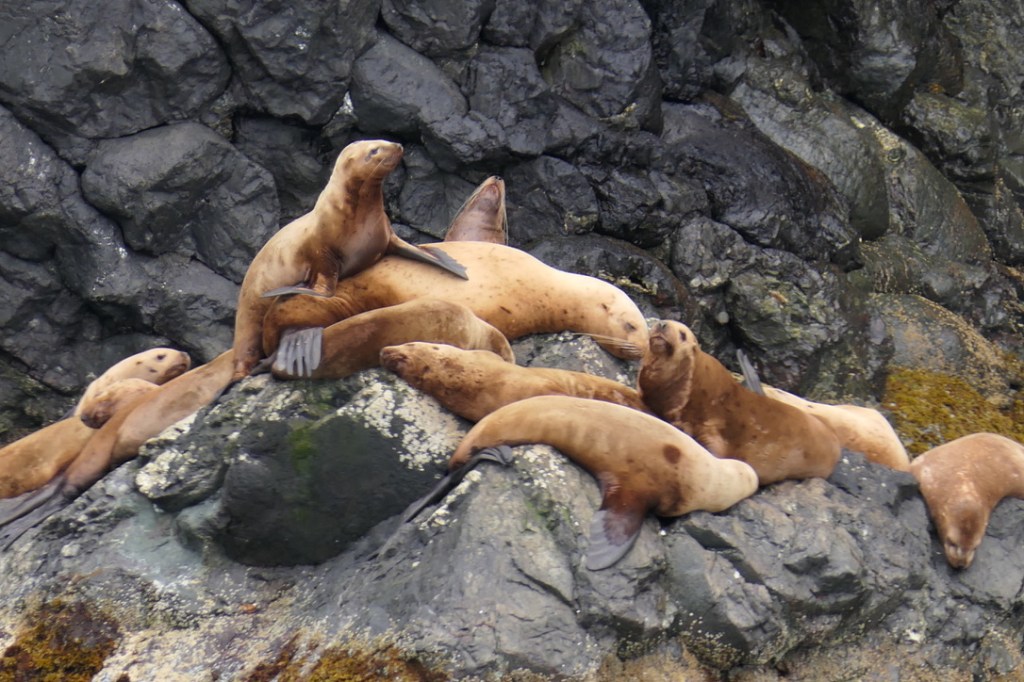
A sea lion siesta
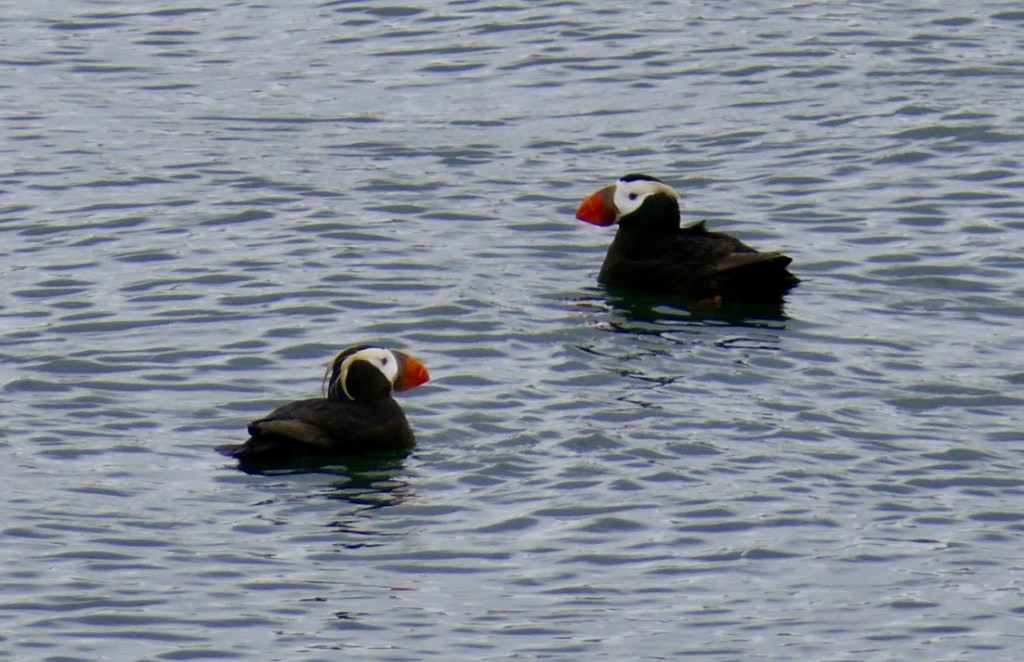
Colorful puffins
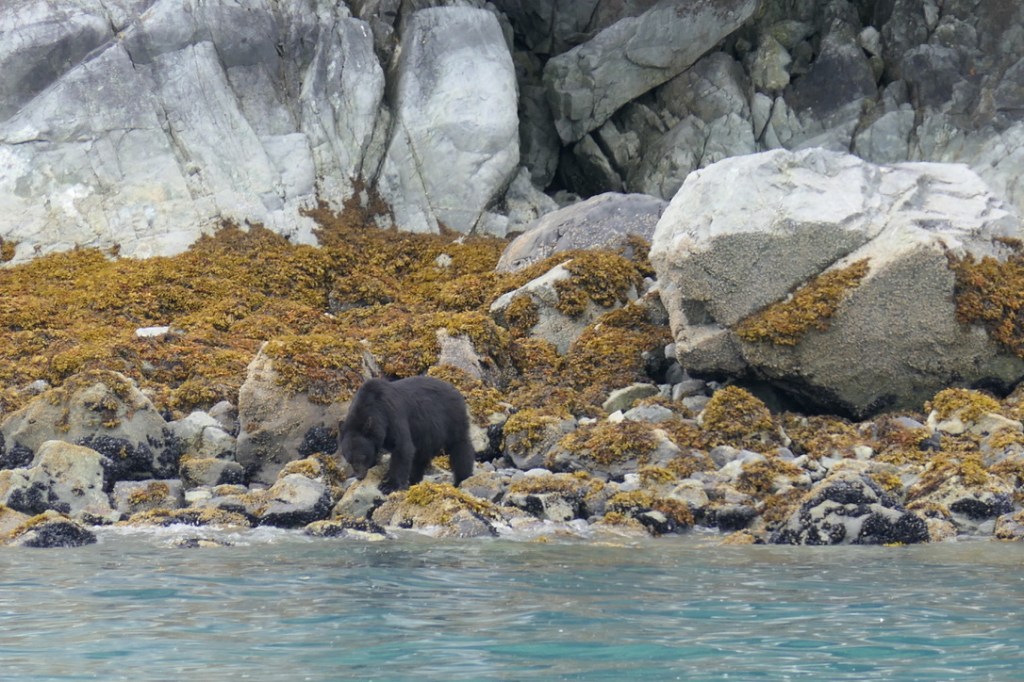
A black bear looking for lunch amongst the rocks along the bay
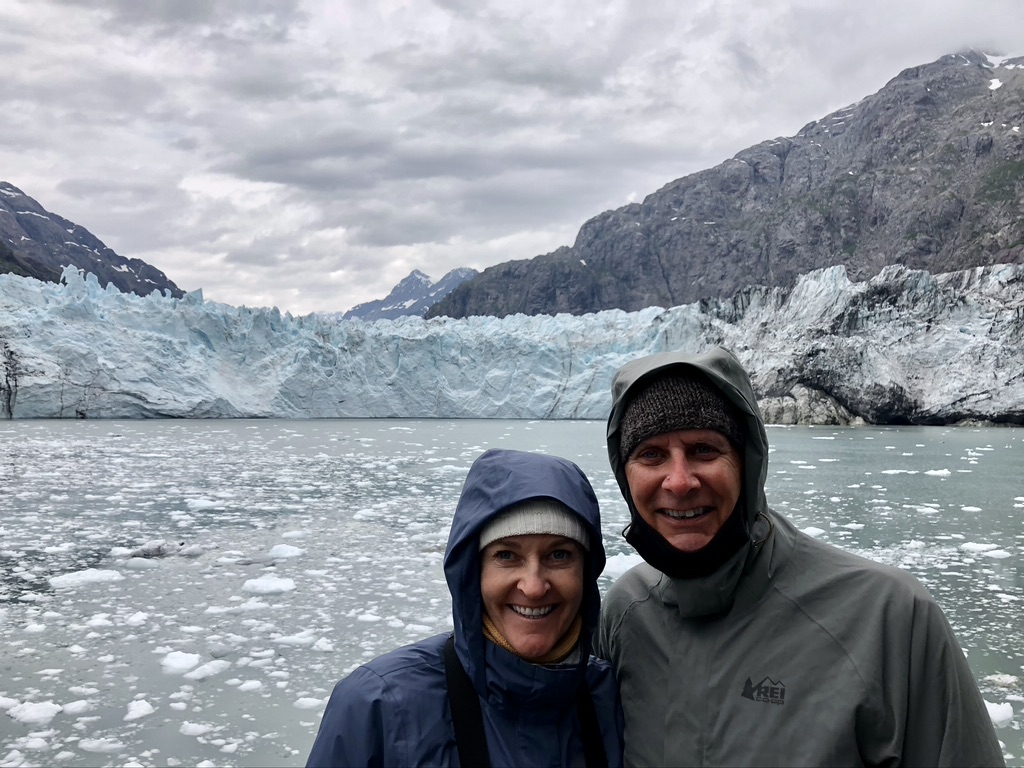
It’s as cold as it looks at the Margerie Glacier – August in Glacier Bay

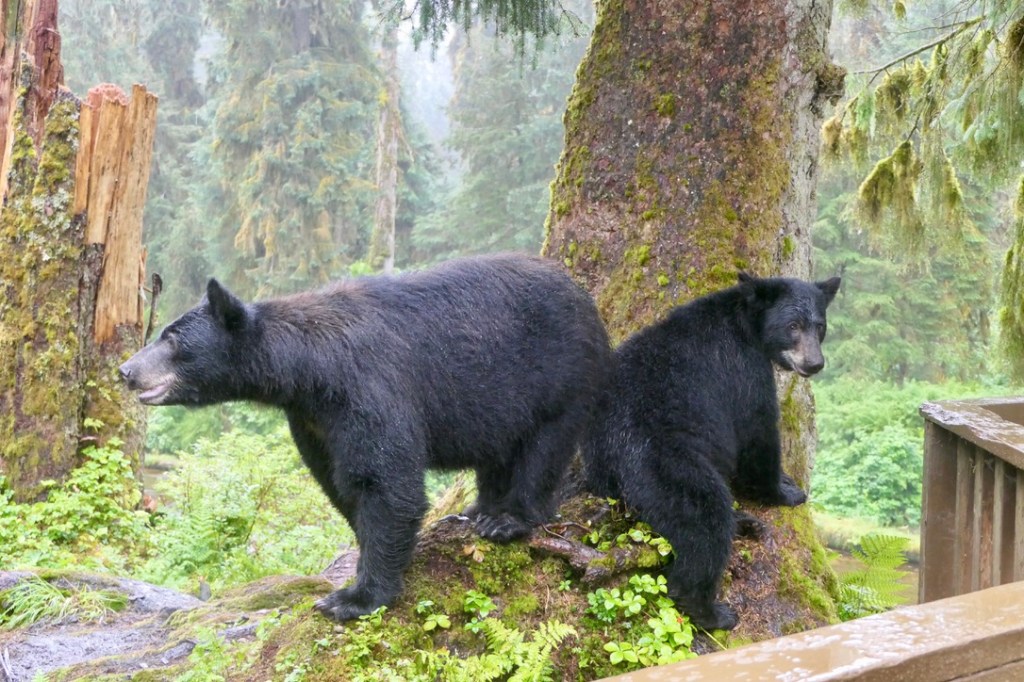
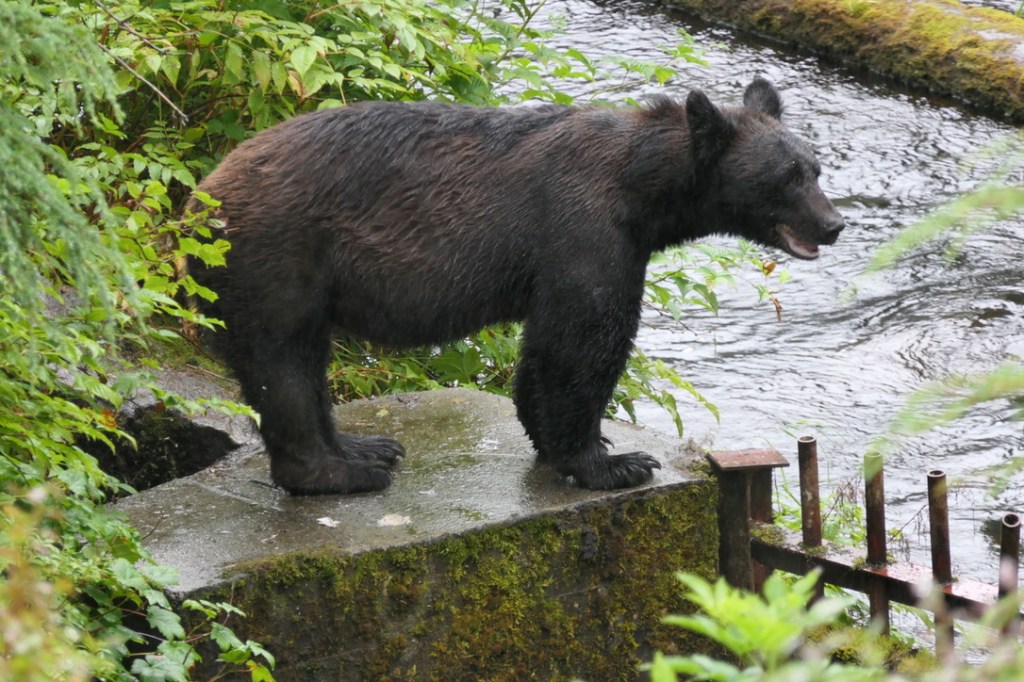
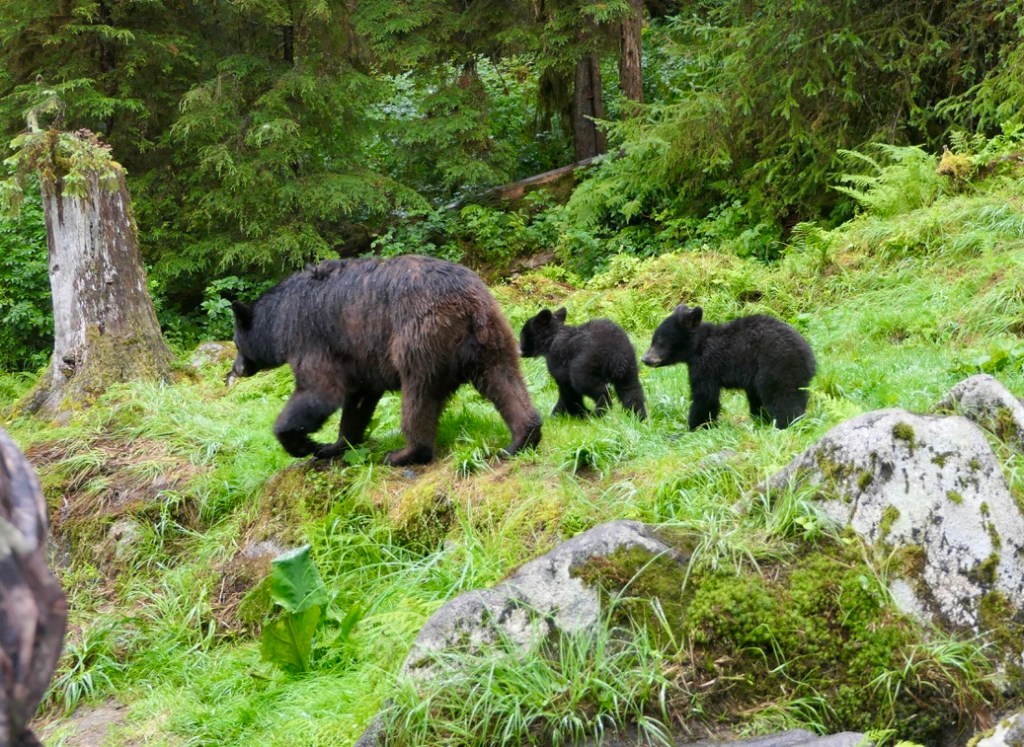
After our Glacier Bay experience we traveled south to the town of Wrangell, which sits on the northern tip of the island of the same name. Wrangell is, and always has been, a working town – its marina is filled with fishing boats of all sizes, and its history is full of colorful characters who were attracted to the areas riches. From Tlingit chiefs, Russian, Spanish, British and American traders, trappers and gold miners to famous gunslingers (Wyatt Earp did a spell as the town’s lawman) and finally the fishermen and outdoor enthusiasts who fill the town today. What attracted us was the Anan Wildlife Observatory, which sits in the Tongass National Forest 30 miles south of Wrangell. Perched above Anan Creek, which hosts one of the largest runs of pink salmon in Southeast Alaska, the observatory offers guests the chance to watch both brown and black bears feeding from the creek. We visited Anan on a rainy day with the good folks at Alaska Waters, making the hour-long trip in their new boat. We recognized just how ‘immersive’ this encounter would be when our guide slung a rifle over his shoulder to bolster the can of bear spray strapped to his belt. Instructed to stay in a tight group as we walked the half-mile trail through the rainforest, we marveled at the diverse array of ferns, mushrooms and mosses that carpeted the Sitka spruce trees and ground. Passing another small group coming out of the forest they indicated we were in for a treat – “plenty of bears up there!” Our excitement, unfettered by the falling rain, only grew. When we climbed the short set of steps onto the platform of the observatory we moved to the railing . . . and saw nothing. No bears below us in the creek. None on the hillside across the way. What the . . . had they already gorged themselves, to the delight of the previous group, and melted into the surrounding forest? But then there was movement across the creek. A solitary black bear appeared at the waters edge. Then another below us on our side of the creek. Minutes later three more black bears appeared further down stream. We moved from one side of the platform to the other trying to keep an eye on all the bears fishing for salmon. We marveled as most of them easily caught fish and carried their catch to a boulder or into a hidden area of the forest to eat. We laughed as one juvenile floundered in a pool, salmon jumping past his nose or swimming just behind him as he turned in all directions. More black bears kept appearing as time went by. Some would wander just inches beyond the railing of the platform as they moved between different stretches of the creek. As our time wound down and our guide was preparing to lead us back to the boat Heather lamented that she had really hoped to see a mother and cubs, but it didn’t appear that would happen. Until it did. Moments later a mom appeared with her two spring cubs, who huddled under her bulk while she sniffed the air, apparently trying to determine if any aggressive males were around that might pose a threat to her little ones. Satisfied, she moved her cubs to a mound high above the creek, where they contented themselves with chasing each other up a small tree while mom moved to the waters edge to catch dinner. She was quick and accomplished, returning to her young and sharing her meal. At the same time a pair of juveniles sat at the base of a tree, scratching themselves, climbing a few feet high and generally being oblivious to our presence. Finally, with hundreds of photos and several minutes of video taken, we reluctantly departed for the short walk back to the waiting boat and our return to Wrangell.

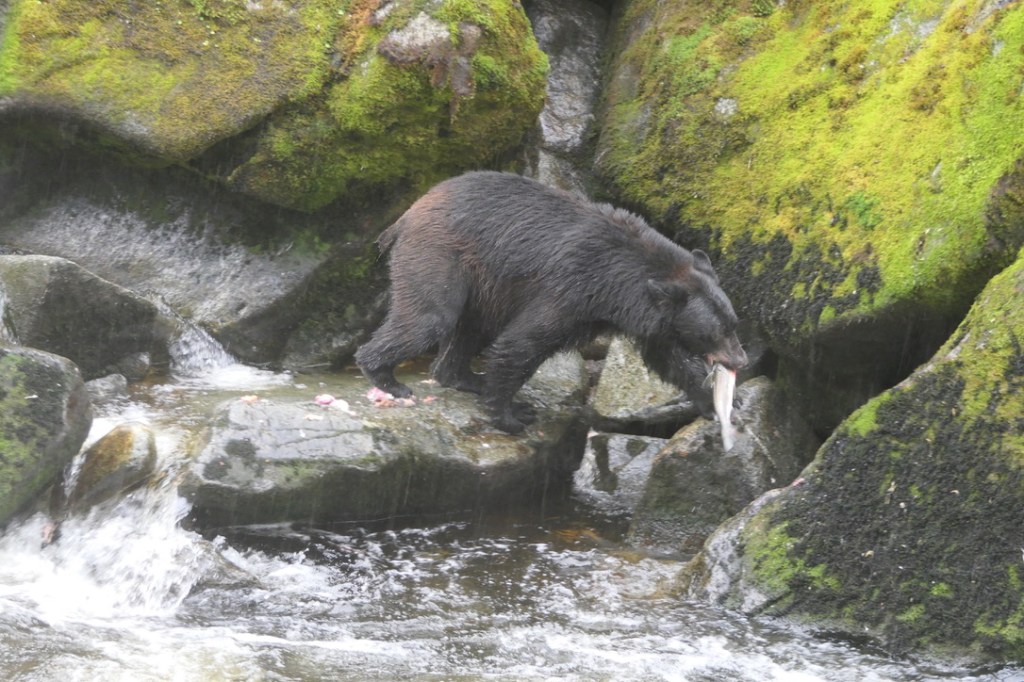
A black bear gorges on fresh Alaskan seafood
The Anan Observatory lets you get real close to the wildlife
Real close . . .
In the nick of time, mom and the cubs appeared
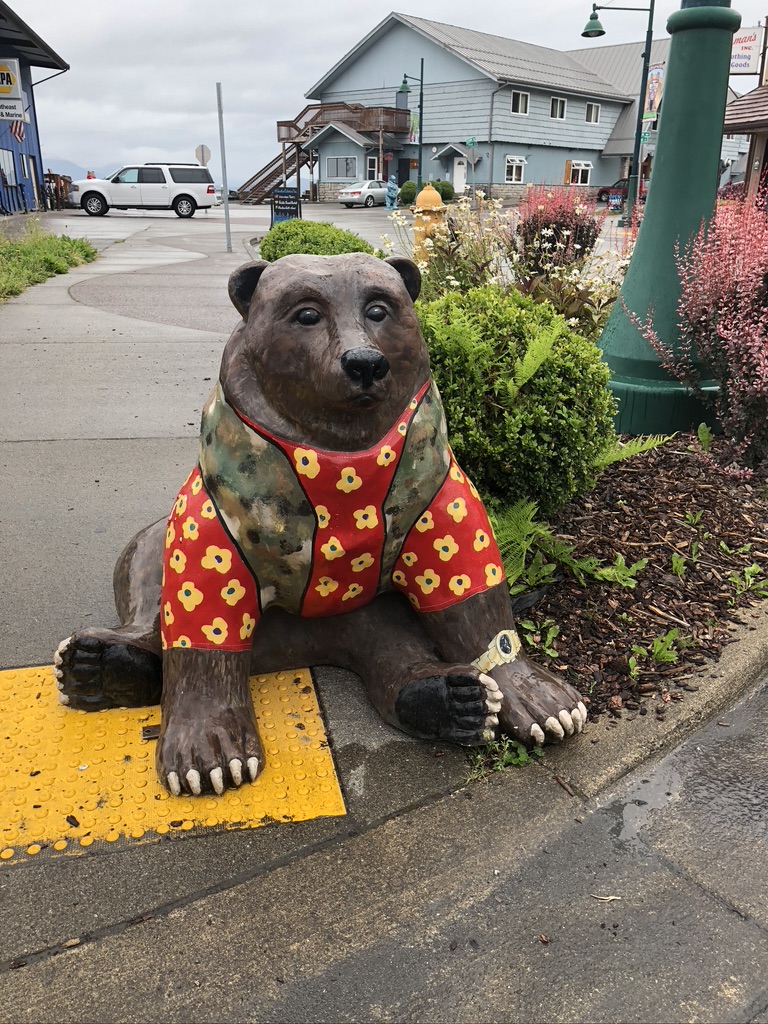
There are even bears right in town

Back in Colorado it’s hot and hazy, as wildfires both near and far (as far away as California) cloud our skies and the temperatures climb into the 90’s. The heavy traffic that has plagued us at times during the summer still rumbles through town as yet another mudslide has closed Interstate 70. But there’s no time to fret – Heather is busy editing A LOT of photos. In two weeks I’m off to northern Minnesota for a rendezvous with two old friends for a canoe trip in the Boundary Waters. That story in my next post.


1 Comment

Alaska – Part Two: Denali And Skagway

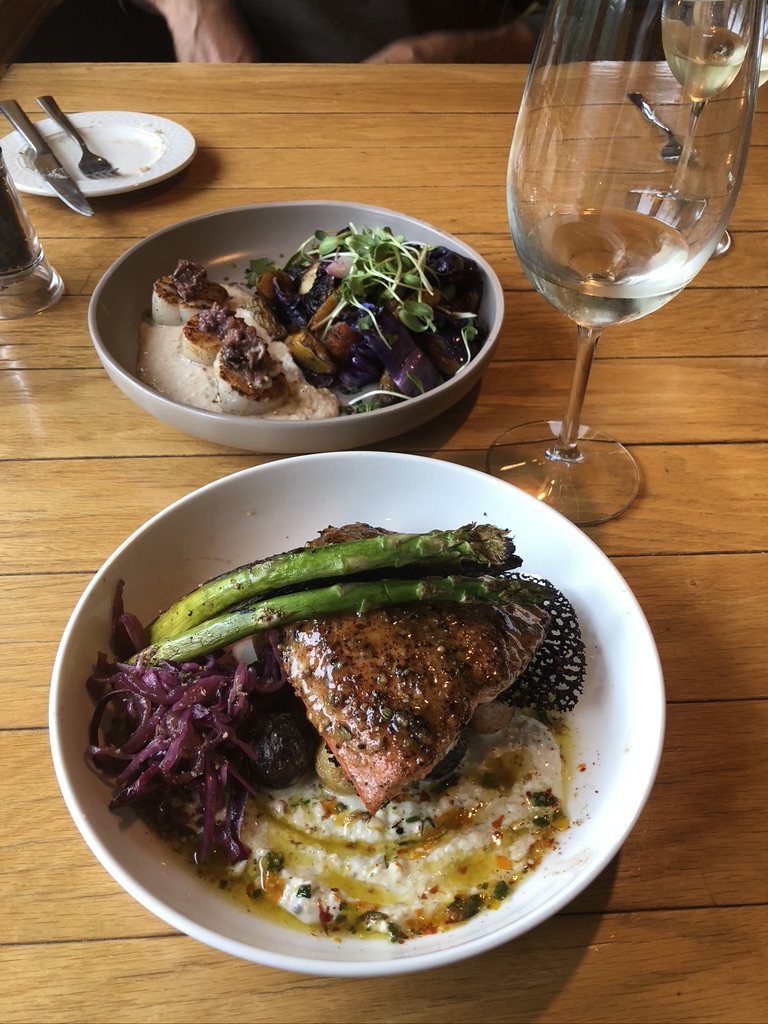
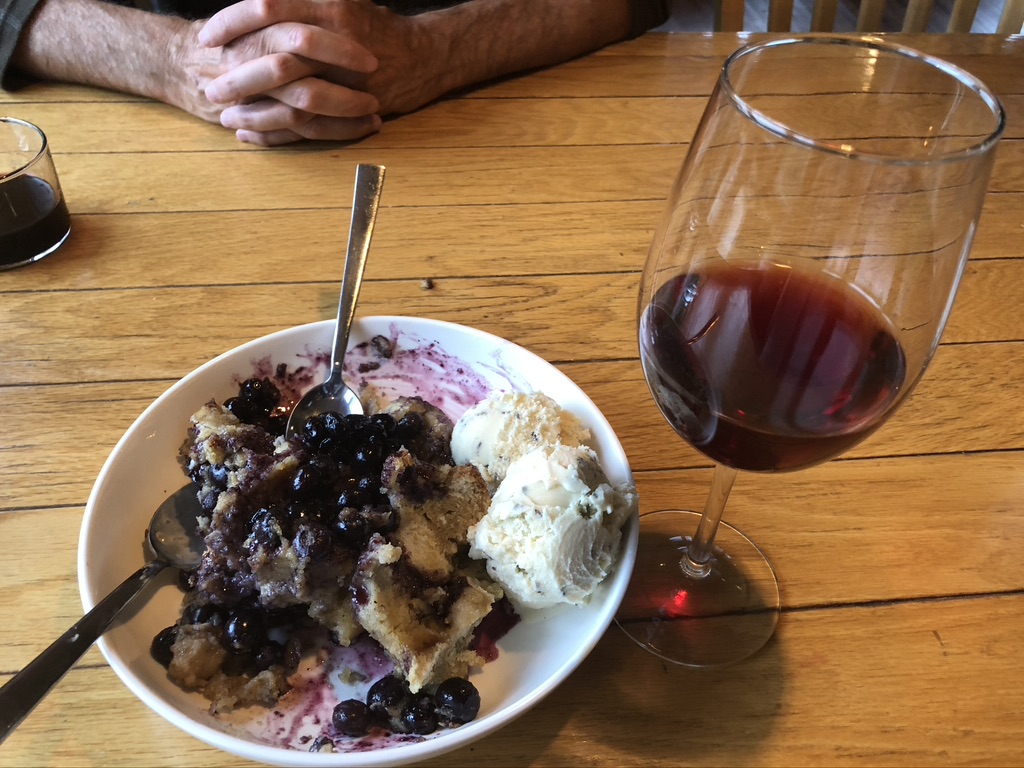
If a visitor to central Alaska wants to see North America’s highest peak, they need a good dose of luck. Persistence is helpful too. Of the 600,000 folks who visit Denali National Park and Preserve every year, only about one-third will get the chance to see the massive mountain in all it’s glory. The rest might get a glimpse of a portion of it’s snow-covered slopes, but probably will see nothing at all, as clouds completely cover the mountain most of the time. In the weeks leading up to our Alaskan trip, the weather reports for all the areas we would be visiting were not good. As departure day approached we started to see some improvement in the forecasts for Seward and Homer, and those proved accurate. But the forecast for the Denali area never faltered – rain and cool temperatures were expected, and that’s what we got when we arrived on a Tuesday afternoon. Over dinner that night we consoled ourselves with the thought that while we probably wouldn’t catch sight of the mountain, the park was still known as a great place for wildlife viewing. The wild mushroom crostini, grilled sockeye salmon with house-made whole-grain mustard glaze and the seared scallops with pink peppercorn sauce were also helpful. Oh, and the bread pudding with blueberry sauce and lavender ice cream . . . very consoling. We went to bed extremely full and hoped the rain wouldn’t deter the animals from coming out the next day.

The consolation prize(s).
Me in the background exhibiting incredible self-control waiting for Heather to take the picture.

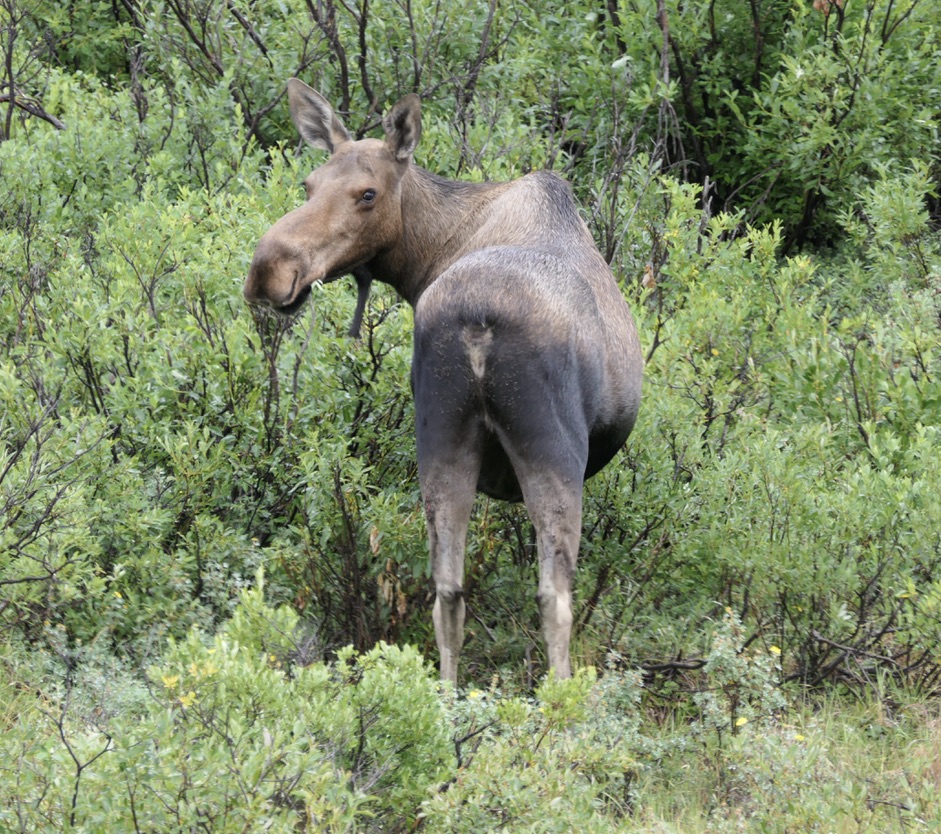
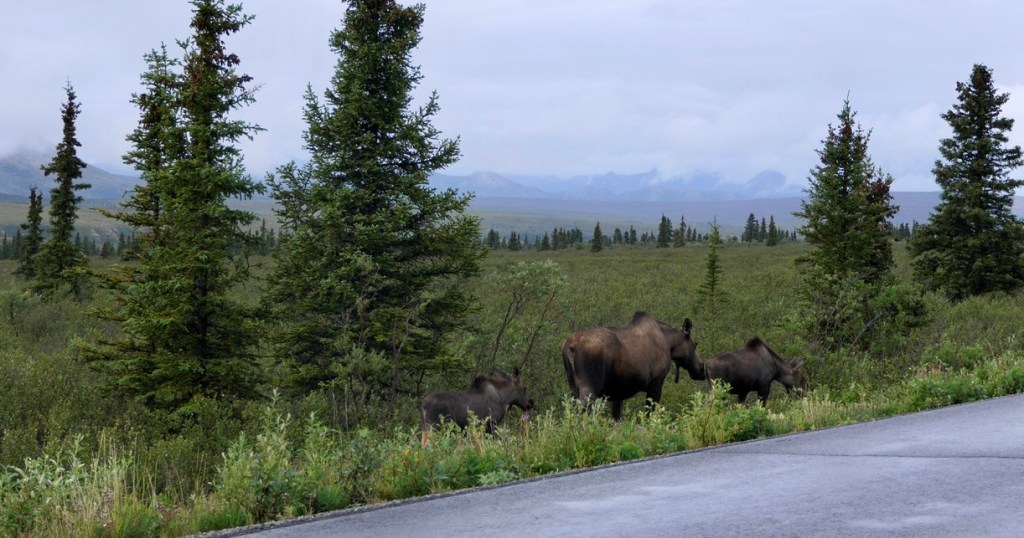
Wednesday dawned gray and bleak. The plan was to drive the fifteen miles of the park’s road open to private vehicles (another fifty miles are open to visitors who book a seat on a park service bus), then continue up the Parks Highway to visit the small town of Healy before returning to Prospectors Pizzeria and Alehouse for dinner. If we needed more consoling, I figured the forty-nine Alaskan craft beers on tap and some of the state’s best-rated pizza would do the trick. We entered the park just after 10 am, and, true to form, Denali was nowhere to be seen. A solid veil of clouds hid all but the nearest peaks. But almost immediately, our focus went from the views of the mountain to the views off the side of the road. We saw this . . .

And this . . .

And this . . .

And this . . .

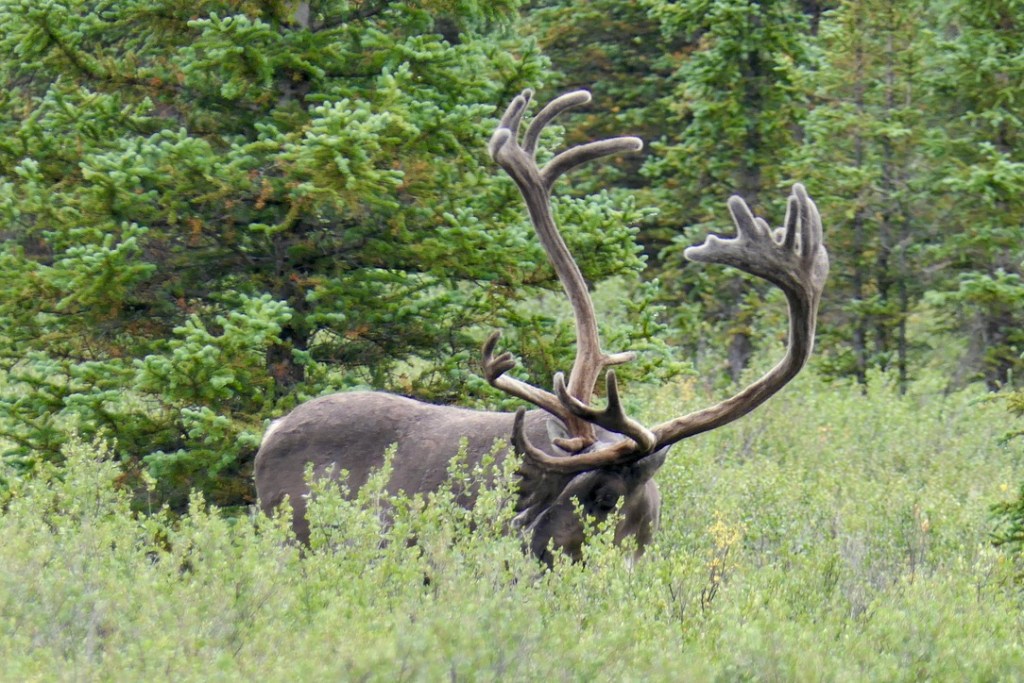
This is a caribou!!!!!!!

There was also a lynx sighting (which happened too quickly to get the camera up but also, along with the caribou, was a first for us), a nice walk along the Savage River Loop trail and a look at a porcupine. Despite her excitement at seeing and photographing all the incredible wildlife, I reminded Heather that we still hadn’t been able to catch a glimpse of Denali, so perhaps consoling ourselves with some of that pizza and beer at Prospectors was in order. Reluctantly she agreed to leave the park (although not before insisting that we drive the fifteen mile route again – just in case . . .).

The next morning dawned . . . clear and sunny! The plan was to make the 4+ hour drive down to Anchorage, return our rental car and catch our late afternoon flight to Juneau for the start of the Inside Passage portion of the trip. But we quickly decided to alter the plan to accommodate yet another trip into the national park to see if any other wildlife would present itself (bears please!) or the mountain could be seen. Our persistence paid off -not only did the mountain reveal itself, but we spotted two more caribou along the drive. By the time we left the park, the clouds moved back in and the rain began to fall once again. Lucky us!

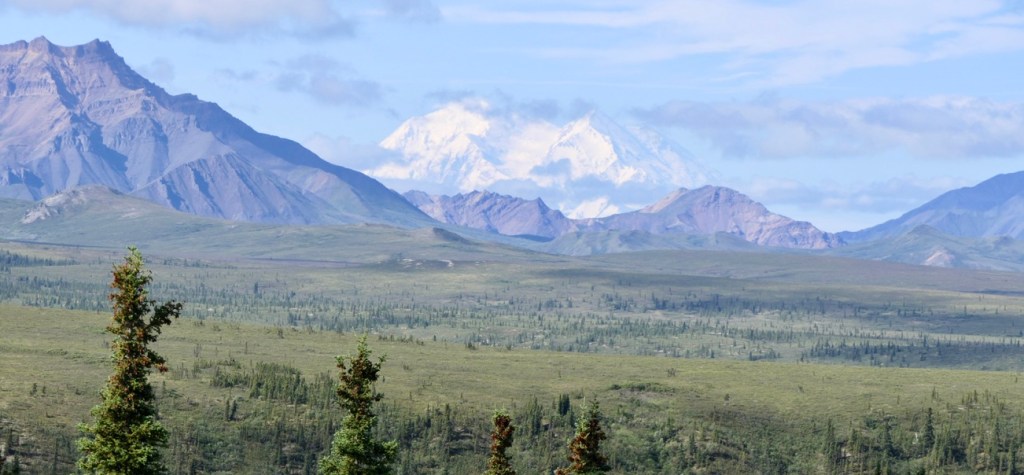
Elusive Denali – at 20,310 ft. the highest peak in North America.

One of the two caribou we spotted on day 2 of our Denali National Park drive.

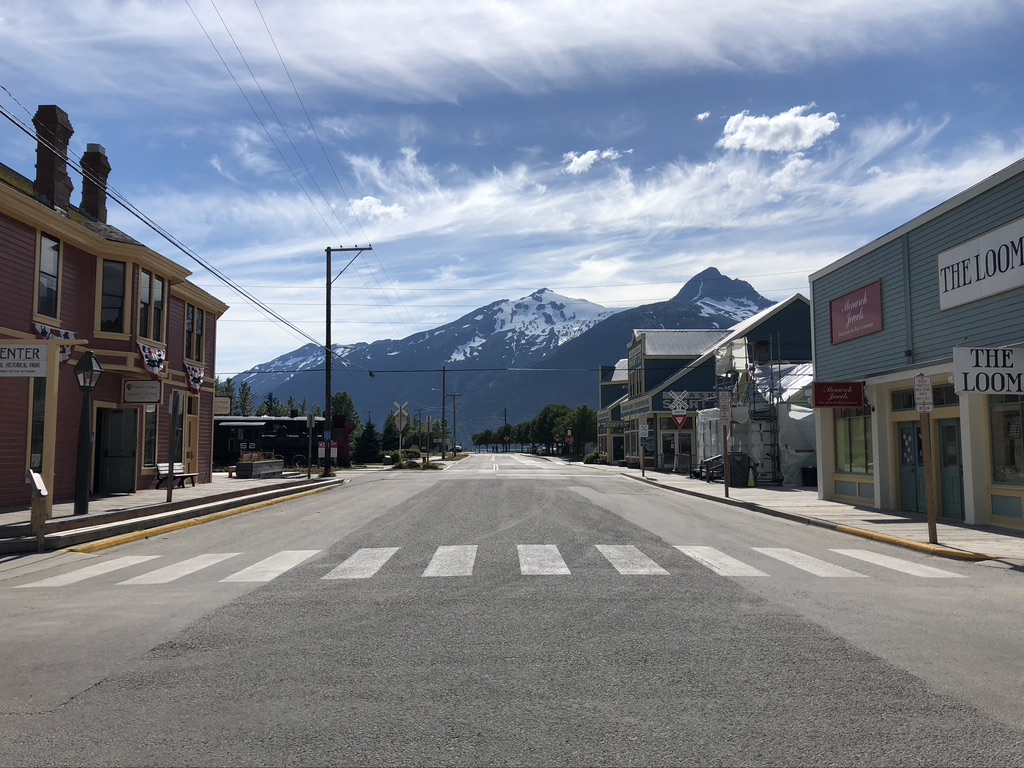
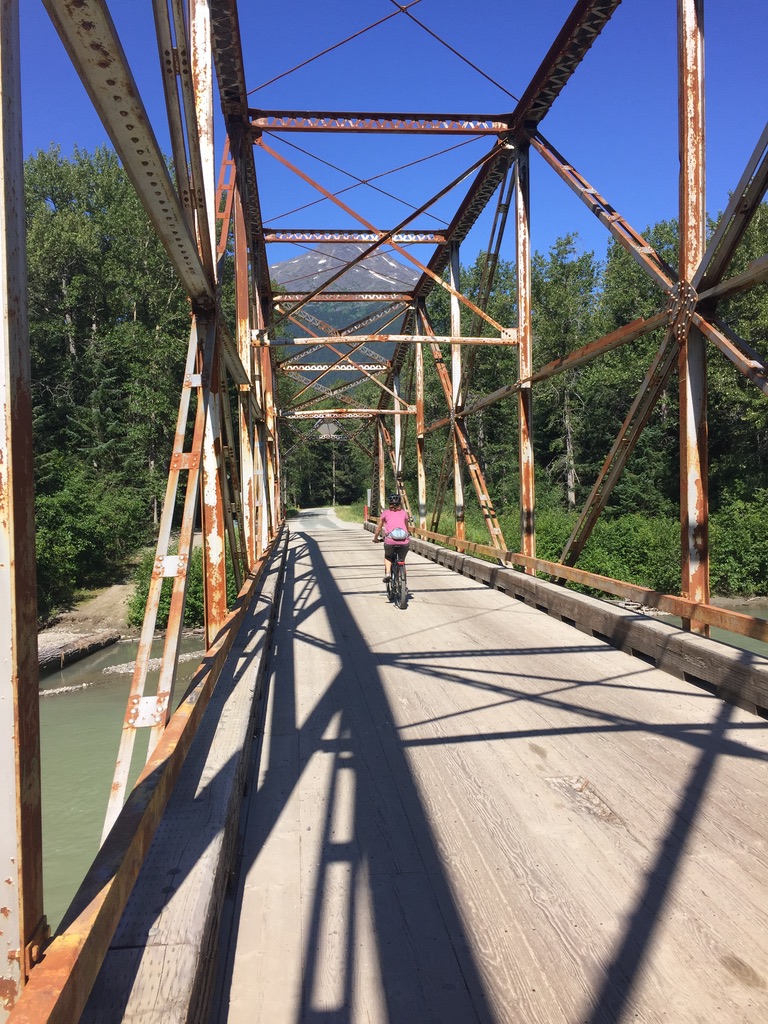
After our flight to Juneau, and a night in the state capital, we boarded the ferry for the six hour trip along the Inside Passage to Skagway. Known as a jumping-off point for prospectors heading to the gold fields of the Yukon during the rush of 1898, Skagway is now a quiet town of wooden boardwalks and old west-style buildings that house businesses catering to the cruise ships that ply the waters of the Inside Passage. On days when no ships are in port – like the full day we were in town – things can get pretty quiet. Though it was a Saturday, most shops and restaurants were closed, and those that were open only operated for a few hours. On a side street we did find Sockeye Cycle Company, which rents e-bikes, and was open for business. The owner gave us a map of the area and suggested a ride out to the Dyea town site where we could enjoy scenic views of the Chilkoot Valley and see the salmon running up the Taiya river into the smaller creeks to spawn. Sounded like the perfect way to spend the day – at least until the Skagway Brewing Company opened its doors at 4 pm. The scenery was indeed beautiful – crossing the Skagway River just outside town, cycling around Nahku Bay and then arriving at the former site of the town of Dyea, which, along with Skagway, funneled gold-seekers onto the Chilkoot Trail on their way to the Yukon. The town sat on the flats at the mouth of the Taiya river, where salmon return to spawn every summer. We left our bikes by the banks of the Nelson Slough, a small offshoot of the Taiya, and marveled at the numbers of fish choking the small stream. Bald eagles, some with a brood of eaglets, perched on driftwood, apparently already sated from feasting on the profusion of fish in the shallow waters. Eventually we mounted our bikes for the return trip and a much-deserved beer at the brewery.

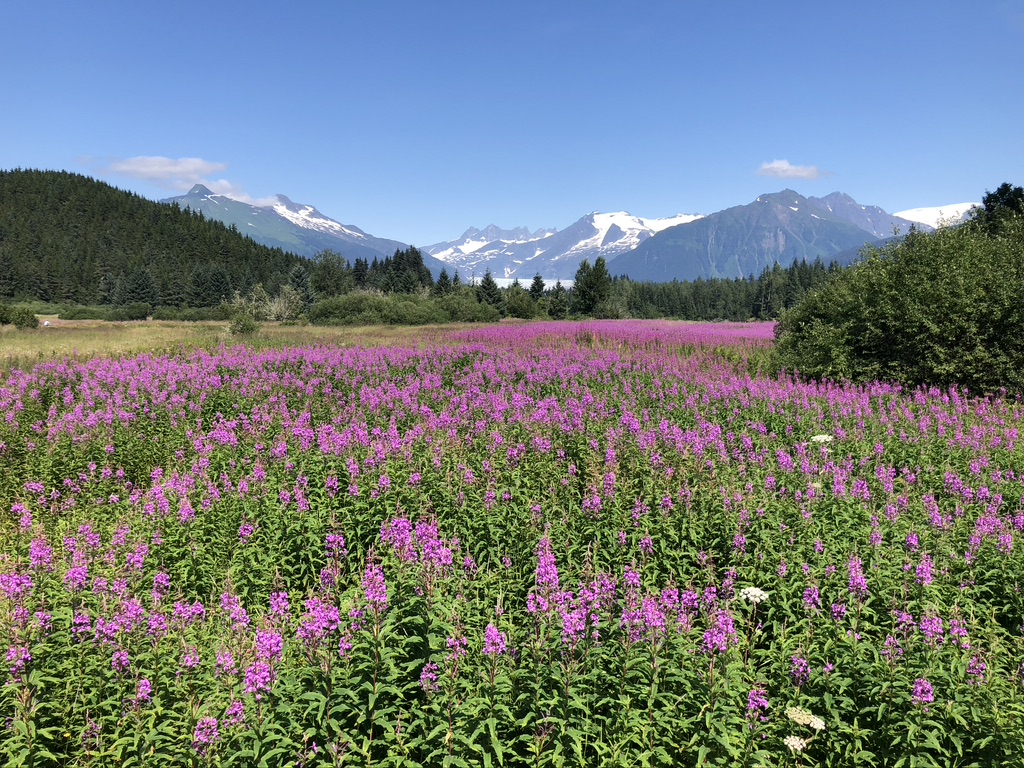
Just a couple minutes walk from our Juneau hotel we caught this view of the Mendenhall Glacier beyond a field of fireweed.
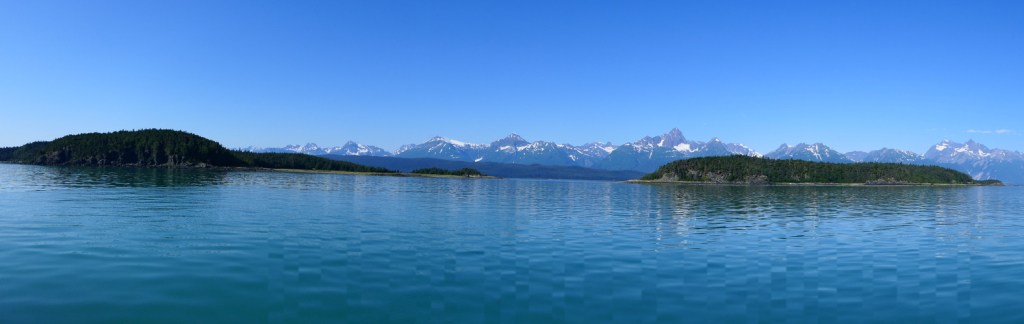
A view of the Inside Passage from the ferry bound for Skagway.
Skagway’s main drag – 3 pm on a Saturday.
Crossing the Taiya River on the way to Dyea.
The salmon in Nelson Slough along the Dyea flats.

The following morning we boarded the ferry for the return to Juneau, where we would catch a short flight to Gustavus for our visit to Glacier Bay. That story in the next post, along with the completion of our trip with stops in Wrangell and Ketchikan.


2 Comments

Alaska – South to the Kenai

The sun felt warm on my back, but not quite enough to dispel the early morning chill that enveloped the air above the water of the Cook Inlet. I eventually had to move into the cabin of Captain Mel’s boat, the Alaskan Sportfisher, as it raced across the stretch of water towards Chinitna Bay, on the Katmai Peninsula. We were heading to the Katmai because that’s where Captain Mel said we’d find bears.

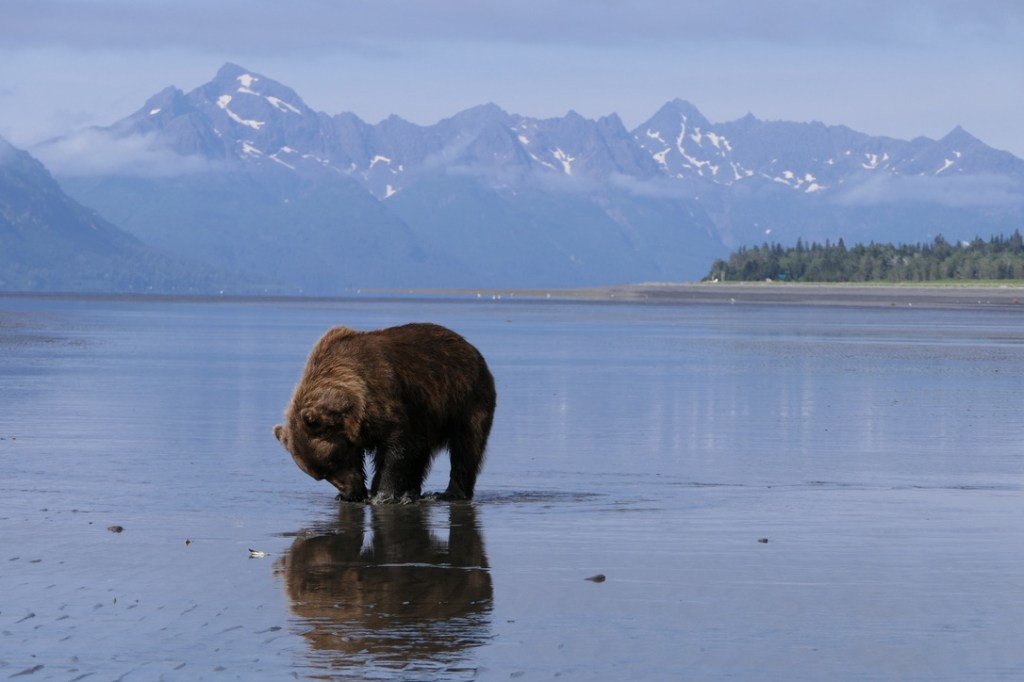
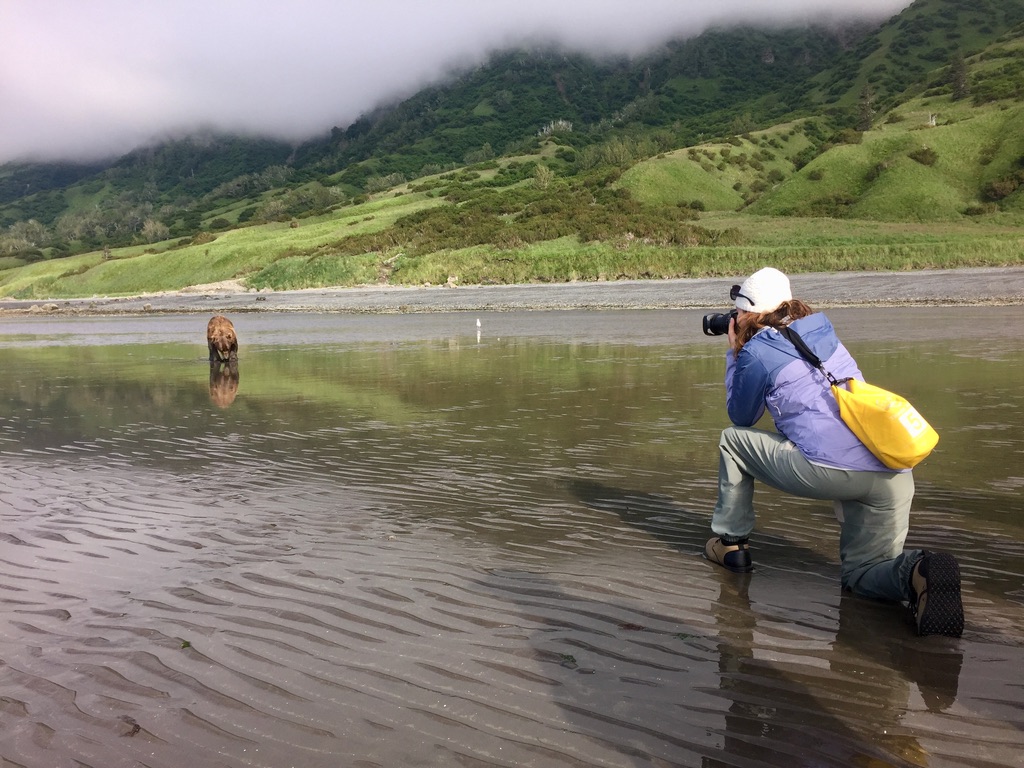
Coastal brown bears, or grizzlies as they’re more commonly known, like to come down from the hills of the Lake Clark National Park and Preserve, surrounding Chinitna Bay, to prowl the mud flats which appear during the low tide and dig for clams. Captain Mel, who had been guiding fishing excursions throughout the Cook Inlet for nearly thirty years before concentrating on bear-viewing trips, was a fountain of information about both the bears and the area. He brought his boat close to the shore where the receding tide was already shallow enough for us to slip over the side into knee-deep water (we had been outfitted in fishing waders on the way over) in order to walk towards the bears we could see had already started feeding, but not too close that the boat would be stranded by the low tide and we’d have to wait twelve hours for the next high tide to refloat the boat. Our group trudged through the water, apprehensive about approaching grizzlies who might be just a little protective about their natural ‘raw bar’, but, true to Captain Mel’s briefing, the bears were more intent on sniffing out the razor clams below the muddy surface then they were about the encroaching humans. We wandered freely along the mud flats for a couple hours between the three bears on this stretch of beach before moving back to the boat for the forty-five mile return trip to Anchor Point, back on the Kenai Peninsula.

A grizzly is reflected in the receding waters of Chinitna Bay, with the Chigmit Mountains behind.
The crazy thing about this is not that Heather is so close to a grizzly, but that she’s kneeling in mud.

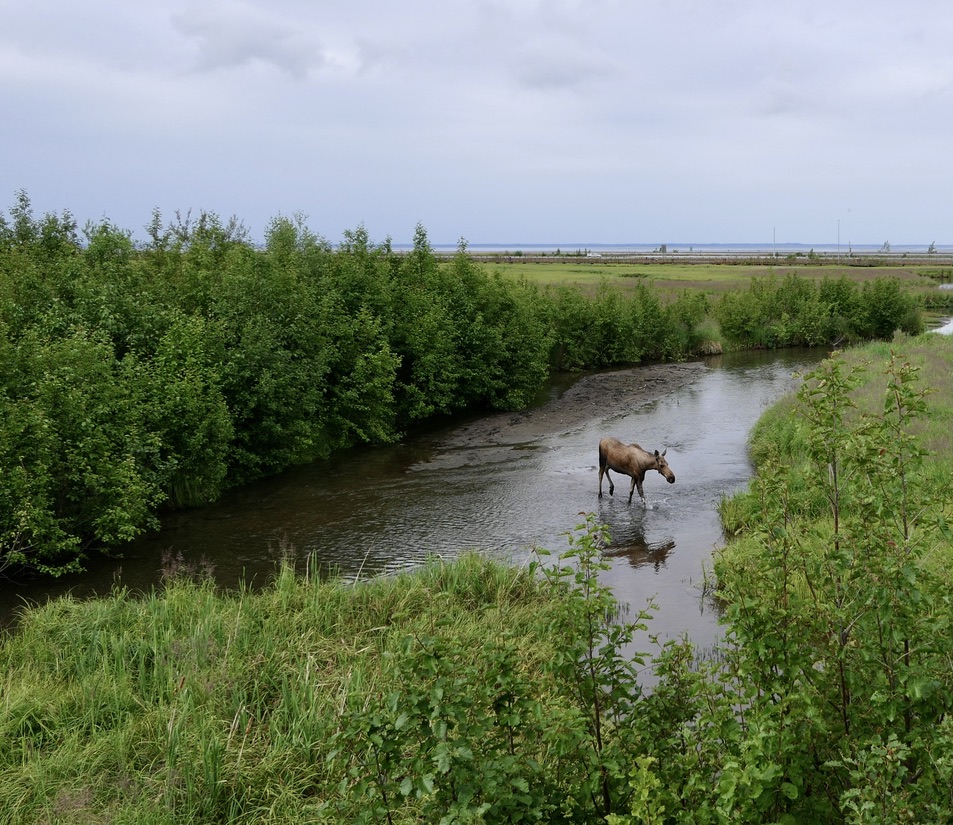
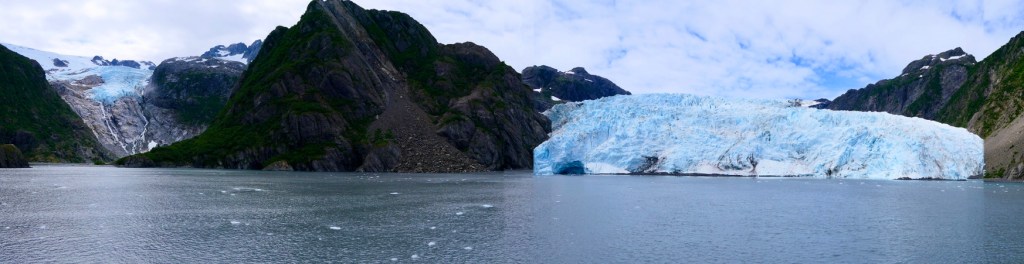
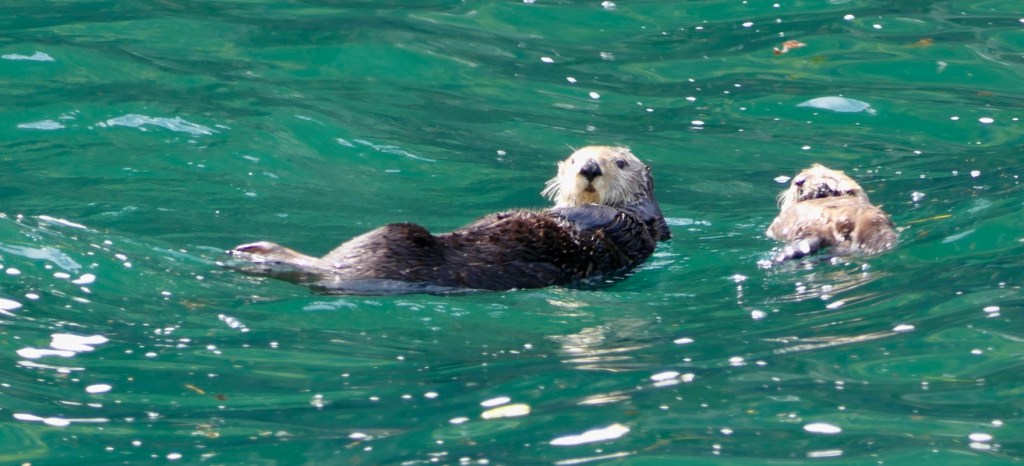
We had started our Alaskan adventure five days earlier. After flying from Denver to Anchorage, we took our rental car south around Turnagain Arm, an extension of the Cook Inlet, first stopping at Potter Marsh, where we were able to see a moose cow and her two calves moving through the wetlands just off the Seward Highway. Continuing on, we followed the Chugach Mountains along the western edge of the peninsula to the port town of Seward. Just south of town the Kenai Fjords National Park attracts visitors to it’s wildlife-rich waters and numerous fjords hiding tidewater glaciers (those ice flows that reach down to the waters edge). Onboard the Spirit of Adventure, we traveled down through Resurrection Bay, across the Gulf of Alaska and into Aialik Bay to the Holgate Glacier, seeing humpback whales, sea lions, porpoises, otters and puffins along the way.

A moose crosses the creek in Potter Marsh, just south of Anchorage.
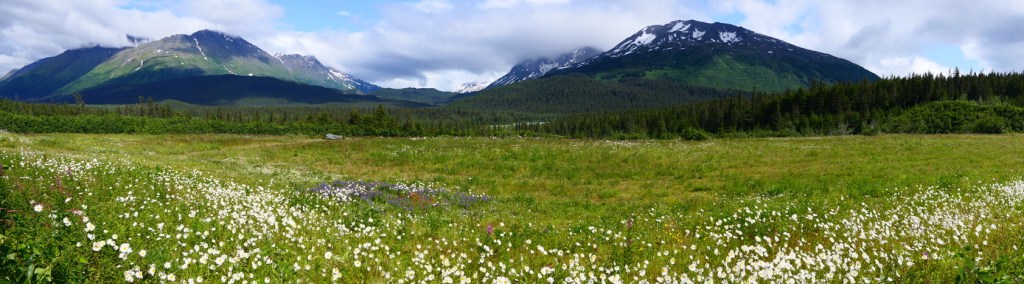
A field of wildflowers along the Seward Highway.
The Holgate Glacier at the foot of Aialik Bay, Kenai Fjords National Park.
Sea otters don’t seem bothered by our passing boat.
Sea lions try to get some zzzz’s on a rock in Resurrection Bay.

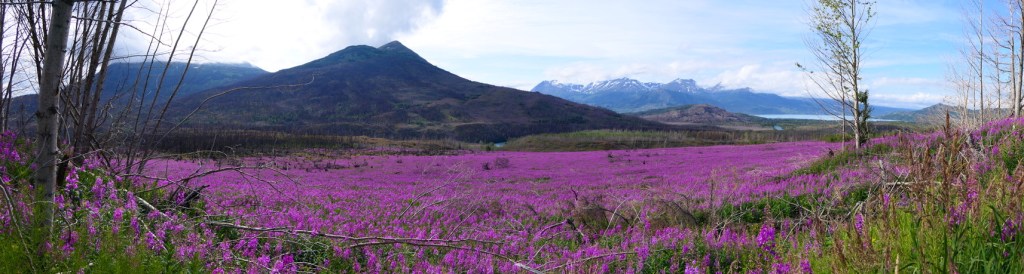
Crossing the Kenai Peninsula bound for Homer we drove a section of dirt road through the Kenai National Wildlife Refuge that ran above the Kenai River and Skilak Lake. Interestingly, it wasn’t the wildlife that gave us the ‘wow’ moment here, but the abundant wildflowers that stunned us. Coming to a stop above the lake in an area that had been ravaged by a 2019 wildfire, we came upon a hillside carpeted with fireweed, a magenta-colored flower that provided a sharp and beautiful contrast to the charred remains of the spruce, cottonwood and birch trees that had covered the area. We had never before seen such a profusion of wildflowers as this.

Fireweed adorns the hillside above Skilak Lake.

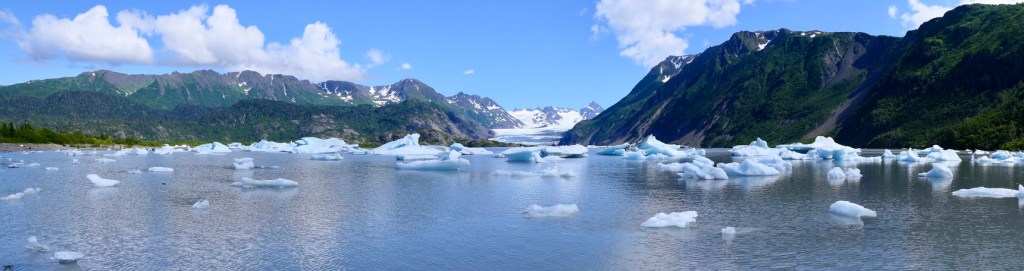
Arriving in Homer in the afternoon of Day 3, we found our lodging, checked in and then made our way to the famous ‘Homer spit’. The two-mile long sand spit extends into Kachemak Bay and hosts campgrounds, a boat harbor and most of Homer’s restaurants and tourist shops. Homer is known as Alaska’s halibut fishing capital, and recently caught specimens of the fish were on display at just about every dock lining the waterfront. We dined on halibut fish and chips and pan-seared halibut with crab risotto at a seaside restaurant, then retired back to our accommodation, which offered a stunning view across the bay to the Kenai mountains, still easily viewable in the bright light of 9 pm – at least two hours before the sun would set (we’ve yet to see an Alaskan sunset). The following day we boarded Bay Excursion’s water taxi, which would shuttle us across Kachemak Bay, dropping us off on a stretch of beach on the edge of Kachemak Bay State Park, where we found the trailhead for the Glacier Lake trail. Following the trail, originally through a forest of spruce, then across a gravelly flat interspersed with alder, we came upon Glacier Lake, which was perfectly placed at the foot of the Grewingk glacier and contained pieces of the glacier that had calved off and floated towards the beach. After marveling at the glacier and the multi-hued chunks of ice floating on it’s surface, we completed the hike to Halibut Cove, which could very well be one of the prettiest coves we’ve ever seen. On schedule, the water taxi chugged into the cove, maneuvered to the rock outcropping at the trails edge, and whisked us back across the bay.

Happy fishermen stand behind the day’s catch on the Homer spit.
The Grewingk glacier and ‘bergy bits’ in Glacier Lake, Katchemak Bay State Park.
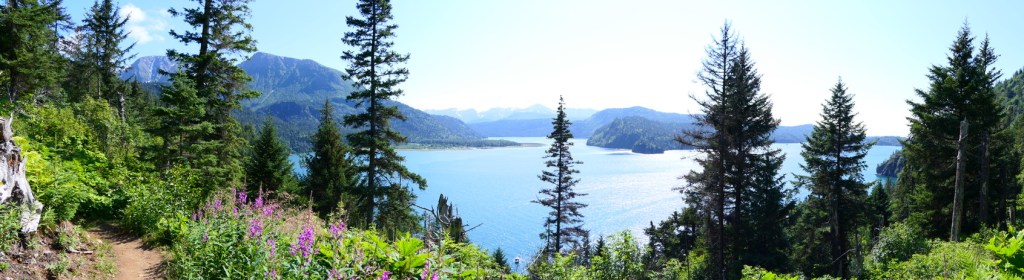
The view looking down into Halibut Cove, at the end of the Glacier Lake trail.

After the next day’s boat trip over to the Katmai peninsula for bear-viewing, we departed Homer for a night in the small community of Girdwood, nestled at the base of the Alyeska ski resort in the heart of the Chugach mountains. The next day we would head further north to one of Alaska’s crown jewels – Denali National Park. Stay tuned.


Leave a comment

Heading (Far) North

“I’ve made my last reservation!”

Heather threw up her arms and slumped back in her chair. It was mid-April and she had indeed just finished booking our last room to close out our six-month winter trip. While I typically choose our routes through specific countries, the job of picking our accommodations falls squarely on Heather’s shoulders. We learned a loooong time ago that I can’t be trusted to find acceptable rooms for us. Just ask her about ‘the Blue Room’ in Ireland or Valentine’s Day of 1998 in Thailand or the campground in London . . . you get the picture. So, having booked our thirty-first different room, she felt exultant. ‘Now you can relax and finally enjoy yourself’ I joked. But while the last couple weeks of our winter was now set, our entire summer was unsettled. We had a flight back to Colorado in May, and we had hopes that we would be able to spend at least part of the summer in Europe, but resurgent COVID cases through much of that continent were dashing those hopes. We were sitting on the beach in Puerto Morelos, Mexico one afternoon when Heather turned to me and said ‘you’re gonna think I’m crazy . . . but maybe this is the summer that we finally take that trip to Alaska!’ Sitting on a hot sunny beach in Mexico and talking about going to chilly Alaska might just be the definition of crazy, in my opinion. But there was some sound reasoning in her declaration. We had planned a two-week trip to Alaska years ago, which would fulfill our goal of visiting all fifty US states, as well as providing extensive opportunities to see calving glaciers, whales, bears and a host of other cool stuff. But other things came up and the plan faded from the top of our travel list. With so few other destinations available to us, and the chance to visit at a time when the crowds would be smallest (cruise ships, which carry the bulk of visitors to the state, wouldn’t resume their operations this summer), it seemed the time was right. I immediately set to work designing an itinerary, cobbling together a mix of flights, ferries and a stint in a rental car to take us to what I thought would be the highlights. When I presented the plan to her the next day, she was enthusiastic. ‘Looks great’ she said. ‘Good’ I replied. ‘We’ll need ten different rooms over the two weeks. Time for you to get back to work.’

Slacker! Do you think Alaska is going to plan itself?

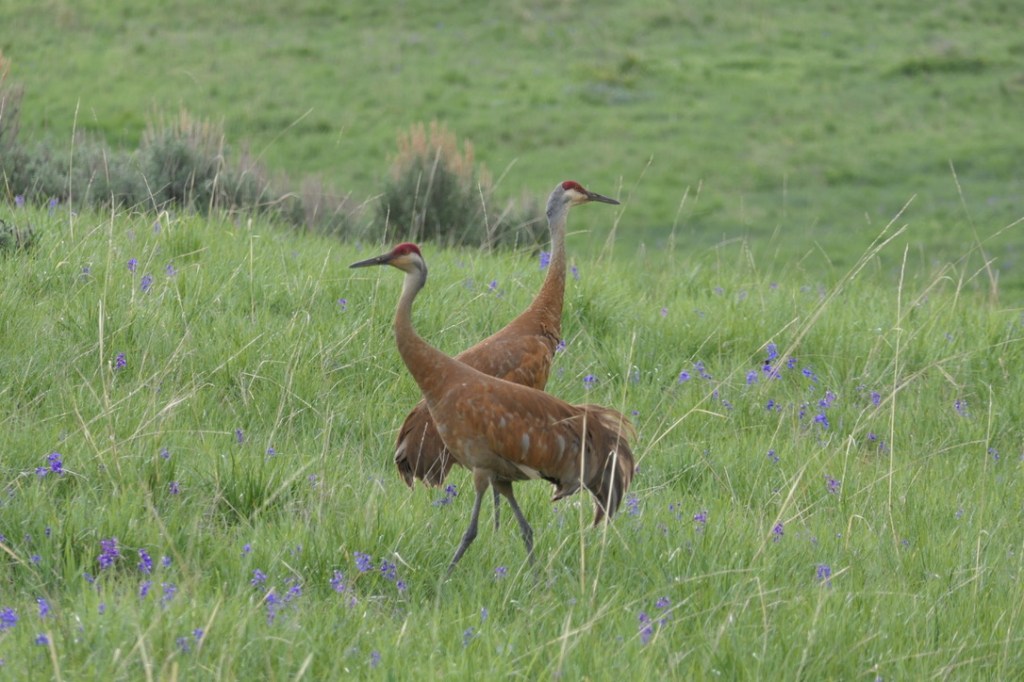
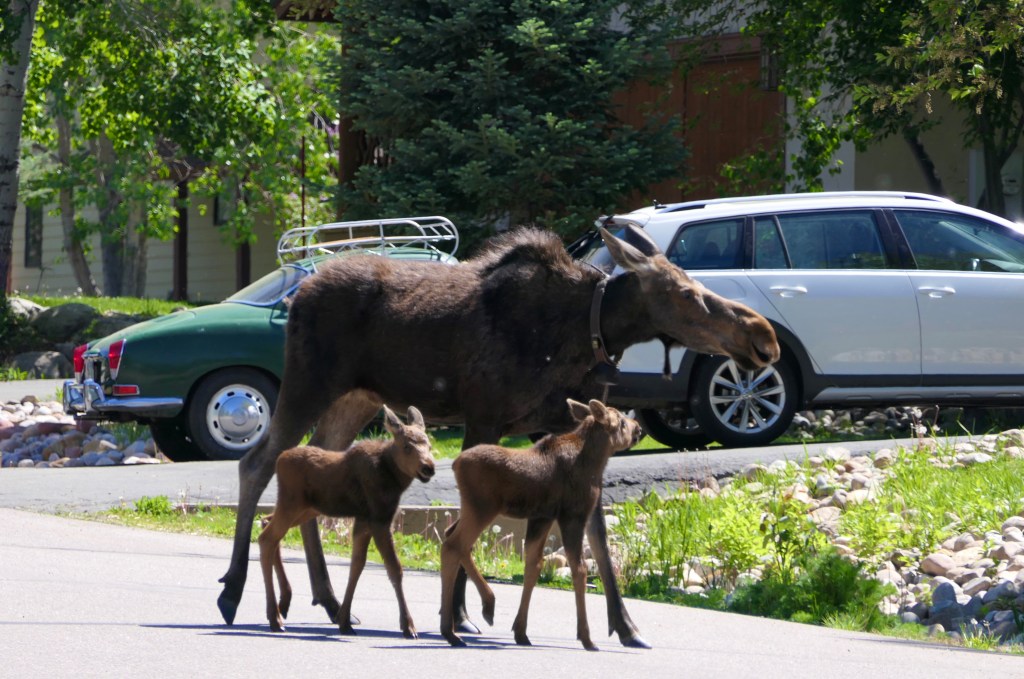
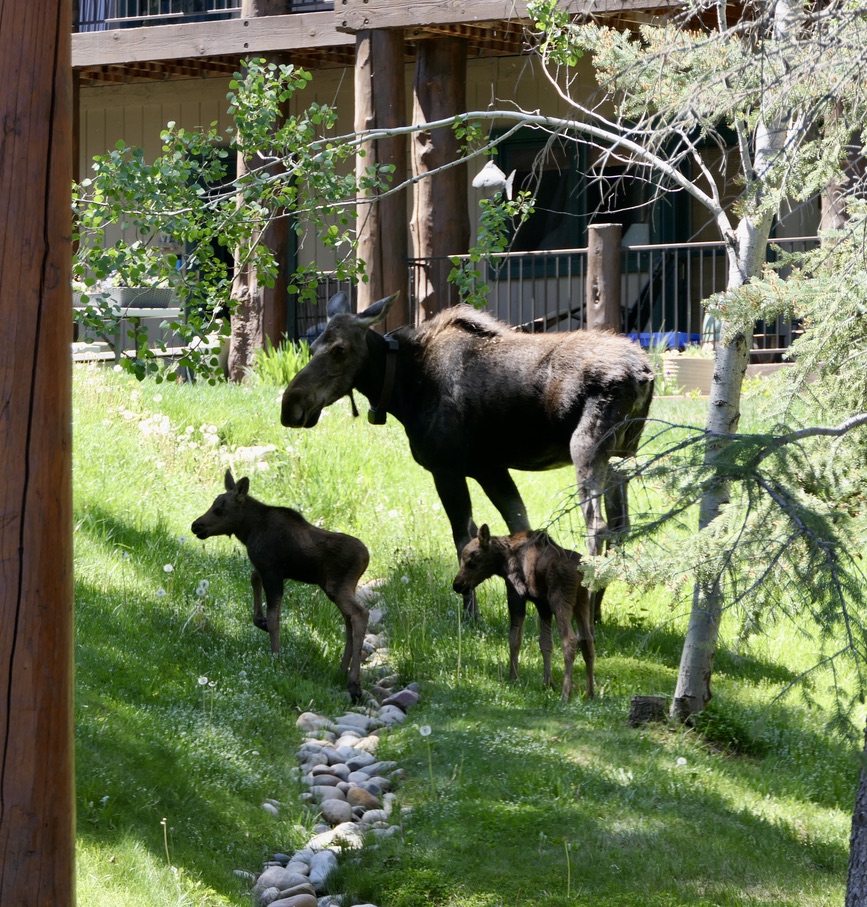
It’s been a typical high-country Colorado summer so far: hikes to alpine lakes to enjoy the beginning of wildflower season; drives through the surrounding countryside to view pairs of sandhill cranes rearing their hatchlings; photographing the bears that have rambled into town and the mama moose parading her two newborn calves through our neighborhood. We’ve already taken a couple trips out of town – I’ve been to Long Island for a parental visit and we’ve both gone to California to see the west coast branch of Heather’s family. But the ‘big trip’ looms – Alaska. We’re keeping an anxious eye on the weather (lots of rain and temps topping out at 60 for the first week at least) and adjusting our packing list accordingly. But the weather can’t dampen our spirits. Dress warm, stay dry and keep the camera ready!

Viewing Sandhill Cranes has become a new summer pastime in Steamboat Springs.
A. Dor. A. Ble.

Family time at Lake Tulloch, California – Heather and her uncle ‘Davey Boy’ Cunningham.

Tomorrow we drive to Denver to catch our flight to Anchorage. After picking up a rental car we’ll head down the Kenai Peninsula to visit Seward and Homer, then back up to Denali National Park during our first week. Keep your fingers crossed that we’ll see the wildlife the state is famous for, like grizzly and black bears. And humpback whales. And orcas, puffins, Dall sheep, bald eagles and caribou. And dining on fresh-caught halibut and salmon. Oh my! I don’t see how we’re going to get any sleep tonight.


Leave a comment

The Road Trip Winds Down

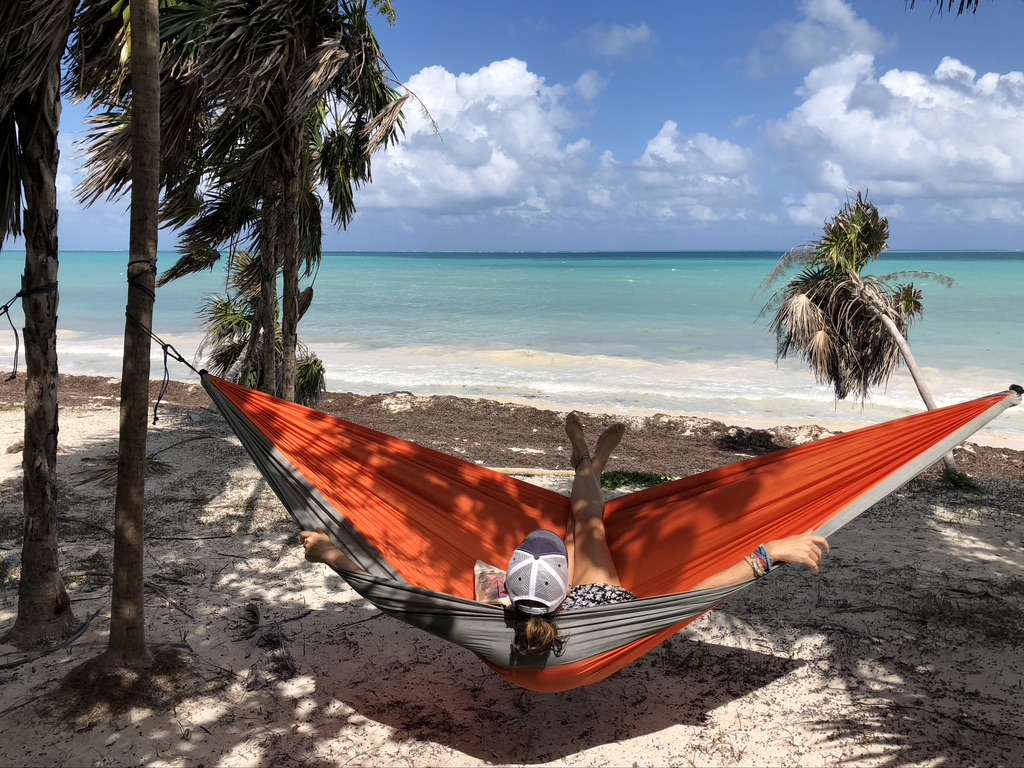
Remind me why we’re leaving this . . .

In the morning we strolled the beautiful white sand beach in Puerto Morelos, enjoyed a refreshing swim in the Caribbean Sea, then returned to our condo for a delicious breakfast of fresh tropical fruits, yogurt and granola while enjoying the view from our terrace. The temperature would reach the mid-80’s under an almost cloudless sky on what would be the last day of our six-month winter trip through Costa Rica and Mexico. By noon we had made the short thirty-minute drive north to Cancun, returned our rental car and been dropped off at the airport for our flight to Denver. Later that evening we drove yet another rental car from the Denver airport, first through pouring rain, then slush as we gained altitude approaching the Eisenhower Tunnel and the Rockies, and, finally, a driving snow storm as we traversed Rabbit Ears Pass before descending into the Yampa Valley and returning to our home for the summer in Steamboat Springs. Yet again, we lamented that we had probably returned to Colorado too soon. But the snow dissipated and melted away the following day, temperatures rose gradually over the ensuing days and spring arrived to the high country. Tulips and crocuses poked their colorful heads above ground, hummingbirds found their way to our feeder, a mother moose has made the rounds of our neighborhood with her two newborn calves and the summer tourists haven’t begun pouring in – yet. It’s a nice time to be ‘home’.

Springtime in the Rockies . . . not so bad.

We’ve already got plans for some smaller trips this summer – visiting family on both coasts in May and June, an Alaskan trip at the end of July (which will also mark the completion of visiting all fifty US states) and a week-long canoe trip to the Boundary Waters in northern Minnesota in late August. Heather is also working on arranging a road trip centered around a visit to the Grand Canyon coinciding with a visit from her Mom. So, along with the usual paddling on nearby lakes, tubing the river in town, hiking and biking, it’s shaping up to be a busy summer. Oh, and of course, planning has already begun for next winter’s travels.