The Rhum Line

The aimless and sometimes muddled route of a traveling couple looking for their next great adventure


2 Comments

South From Samara

The roads in Costa Rica aren’t bad, as far as roads in Central America go – if you stay on the paved ones. However, a lot of the interesting sights, and certainly most of the best beaches, are located at the end of unpaved roads. And they can be pretty rough at the best of times. The end of rainy season is not the best of times. The roads of the southern Nicoya peninsula are described as the worst in all of Costa Rica. Naturally, we were headed to the southern Nicoya next.

Santa Theresa, for some reason, is a backpackers beach dream. Ask any traveler who’s been and they’ll tell you the beach is one of the most beautiful in the country, the surfing is top-notch and town has a chill, laid-back vibe perfect for relaxing. The beach is beautiful, but Costa Rica has a bevy of really beautiful beaches; the surfing is very good (I’ll have to trust them on this one), but for beginners and those looking for lessons I think there are certainly better places to learn; and town certainly is laid back, with folks wandering the dirt road through town barefoot, enjoying the hip vegan cafes and exploring the back roads on quad- and motor-bikes. On closer inspection, however, I realized that folks were wandering barefoot because after a rain the dirt road became a flip-flop sucking mud bog; the quad-bikes, which apparently all lack any kind of muffler system, would tear up the muddy street, or, if and when it dried out, would raise clouds of dust which would settle on everything within a hundred feet of the road, including the foliage, parked vehicles, buildings and my vegan chocolate cake (to tell the truth I couldn’t tell what was cake and what was dust). It’s quite possible that the road through Santa Theresa is the worst road in all the southern Nicoya, which now you know is pretty bad. We did find one outstanding aspect to our visit there – the food (I’m not considering vegan chocolate cake to be food). From the simple rotisserie chicken and sides at Chicken Joe’s, to the delicious tacos and craft beer (passion fruit ale!) at the Eat Street outdoor food court and the incredible wood-fire grilled mahi-mahi at the Argentinian-inspired El Facon, this was some of the most consistently good food we had enjoyed anywhere.

The entrance to Playa Santa Theresa

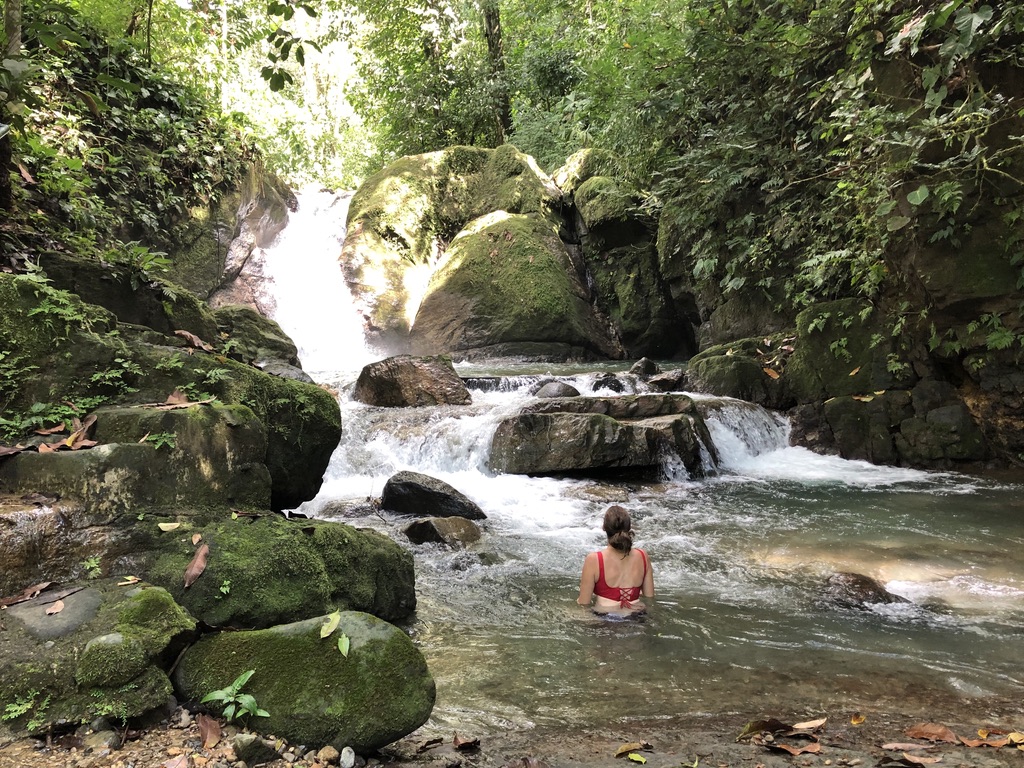
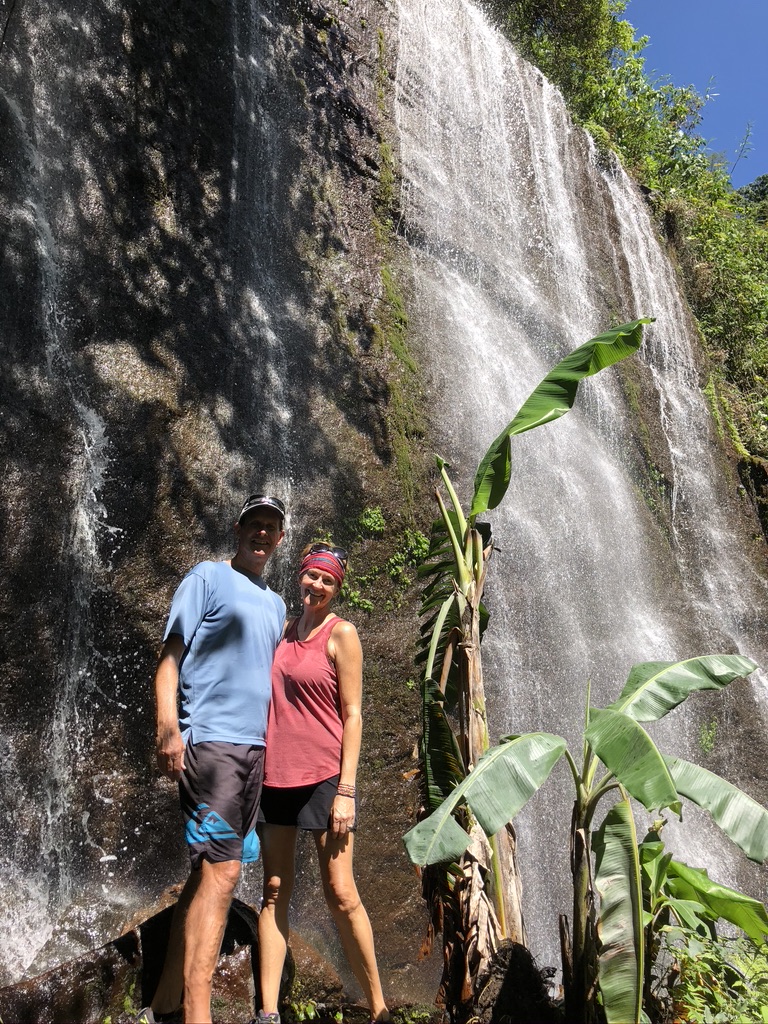
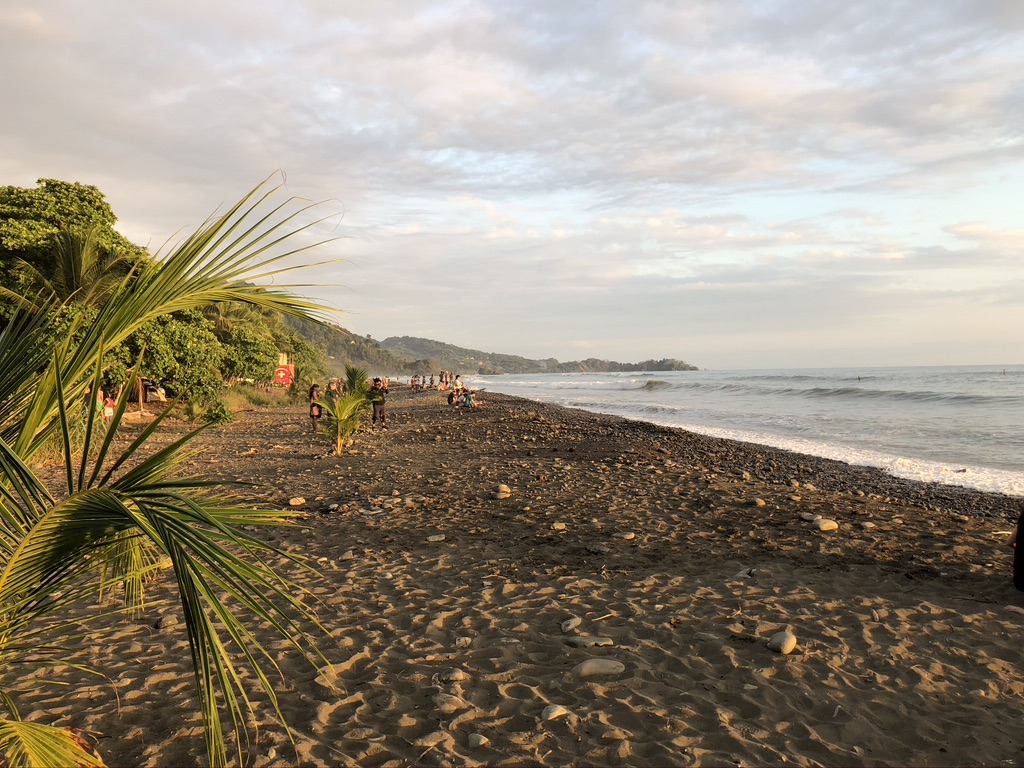
Not to be outdone, our next destination following Santa Theresa was the small town of Ojochal – dubbed the “food capital of Costa Rica”. North American and European ex-pats had gravitated to this quiet hamlet set between the black-sand beaches of the southern coast and the jungle-clad mountains of the interior, with many of them opening acclaimed restaurants. So, with high expectations of indulging ourselves in various international cuisines during our three-day stay, we rolled into town just as the sun set. We wound up the main road through the jungle, following the course of the Rio Balso to our lodge – El Mono Feliz (The Happy Monkey). Without a doubt, any monkey would be happy, if not ecstatic, to be staying here. The property is covered with lush, colorful foliage, offers an inviting pool at its center, is a haven for all kinds of birdlife and the wooden platform, at the rear of the grounds along the river, has hammocks for relaxation and contemplation. While I don’t think Ojochal lived up to it’s nickname (in no small part to the abundance of closed restaurants due to the pandemic), especially coming on the heels of our ‘foodie’ experience in Santa Theresa, our accommodation was certainly enjoyable. We did visit a couple beaches for strolling and sunsets, and spent the better part of one day relaxing in the Cascada Ojochal (waterfall). We don’t usually make an effort to visit waterfalls, finding them to be crowded and noisy (especially on a weekend) and not particularly relaxing. But the cascada was close to town so we gave it a shot. A short drive to the base of the mountains behind town we came upon the sign marking the entrance through a private residence. A young man greeted us, took a nominal entrance fee and directed us down the trail behind the family home, which was lined with cacao and banana trees and flowering shrubs. We descended a short ways into the canyon to find a two-tiered waterfall, several shallow pools for swimming, moss- and lichen-covered boulder walls leading up to a thick canopy overhead. Not another soul around – on a Sunday! While it took a couple minutes to work up the courage to plunge into the cool water, once in it was a delight to move between pools, float with the current and soak away the afternoon. When we finally dragged ourselves out of the water, we relaxed on some smooth rocks, the only sound being the crash of the falls. Overhead we caught sight of a toucan perched in the canopy. It was a great way to spend part of the day, which would precede a fine lunch at a local soda (cafe serving typical fare) before heading to a quiet beach for sunset. Not a bad way to spend the day on the Pacific coast.

Enjoying some quiet time at cascada Ojochal.
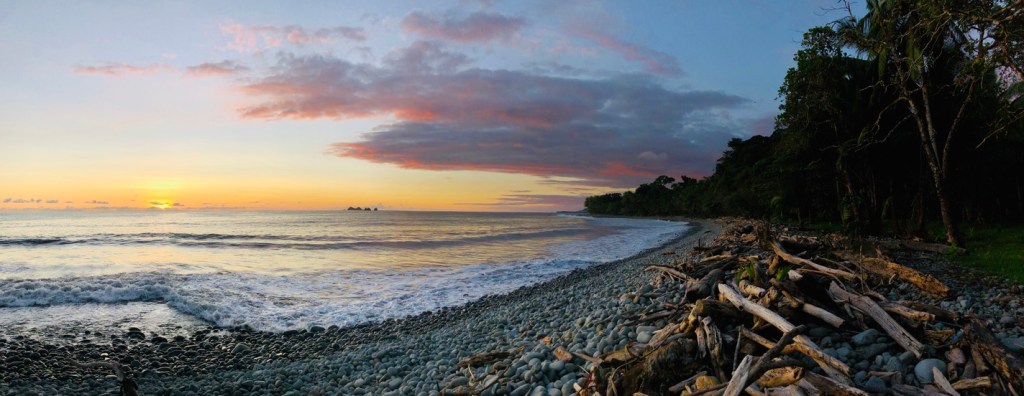
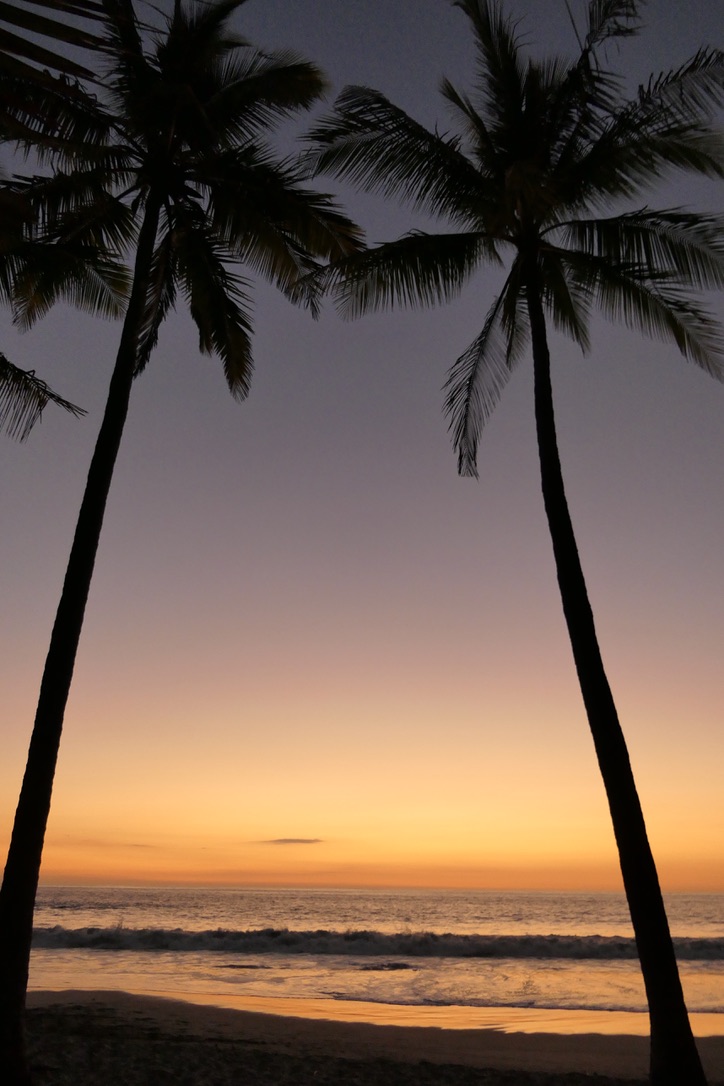
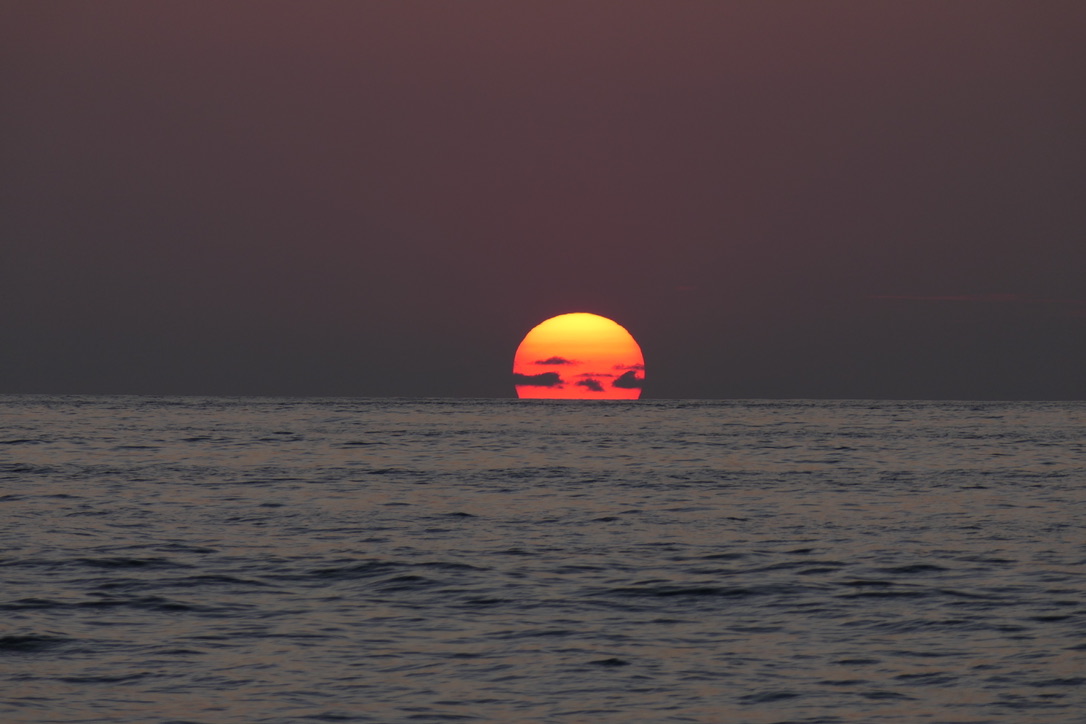
Sunset from Playa Pinuelas, outside Ojochal.

One of the many hummingbirds that joined us for breakfast each morning at El Mono Feliz.

With our fill of creature comforts (good food and comfy accommodation) it’s time to head to the wild and rustic Osa peninsula!


Leave a comment

A Month in Samara

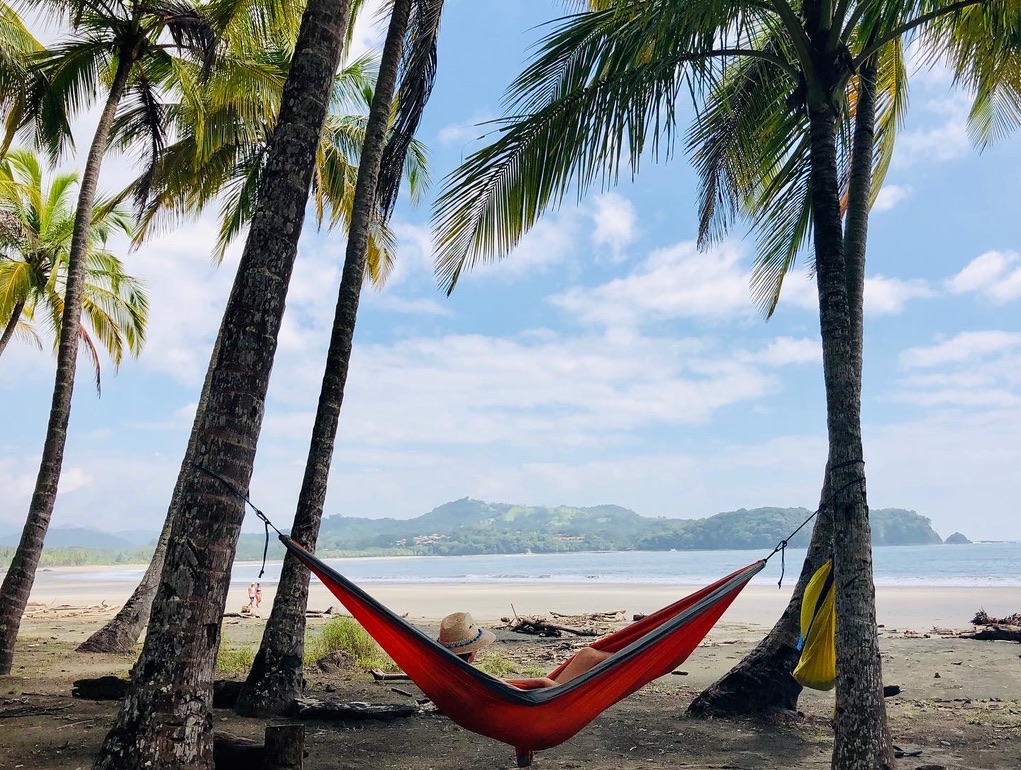
It was one of those near-perfect days. The tropical sun glinted off the water. There was enough of a breeze to keep us comfortable. The palm trees at the back of the beach were perfectly spaced to provide both ample shade and a prime spot to hang our hammocks. The mile-long stretch of Carillo Beach hosted no more than a dozen other souls. Even though the breeze was just strong enough to keep the paddleboards strapped to the top of the car (I mentioned it was a NEAR-perfect day) we were quite content to walk the beach, swim and sway in our hammocks to while away a Thursday. Or was it Wednesday? No matter. “We should do this tomorrow, too” Heather called out from her spot under a couple coconut palms. We did.

What near-perfection looks like – Playa Carillo.

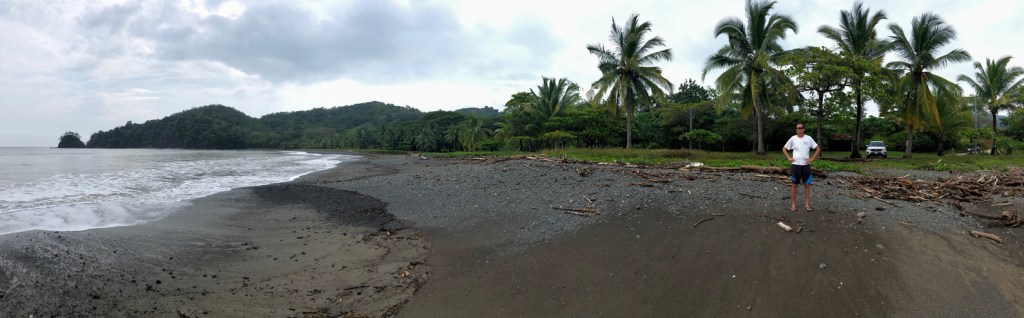
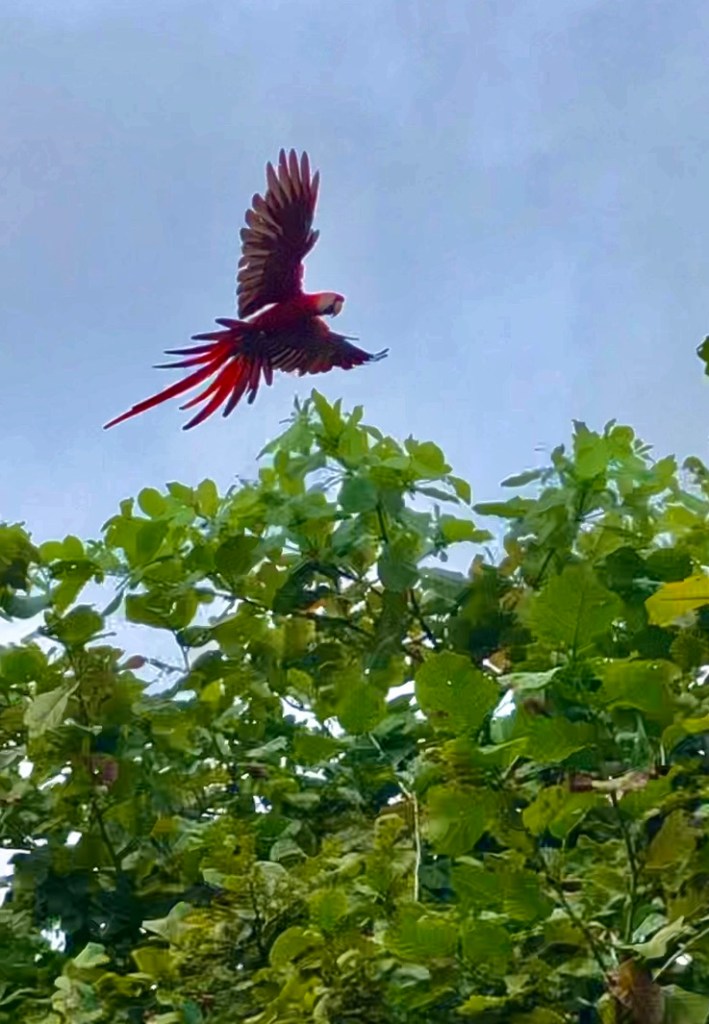
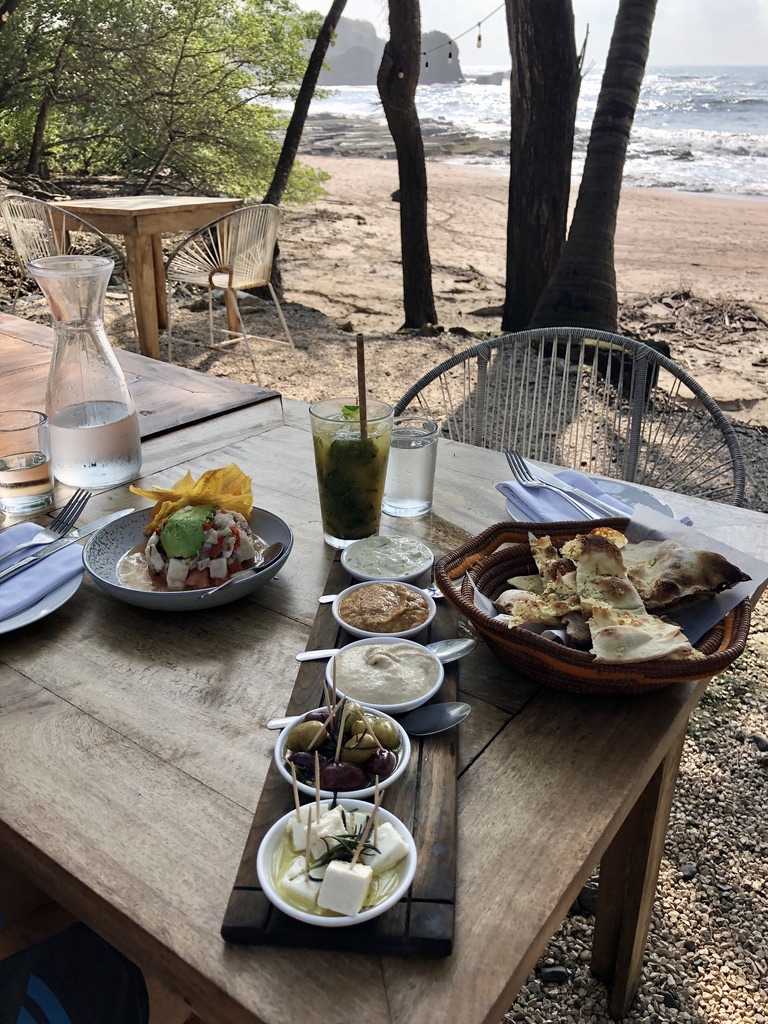
It certainly hadn’t been this lovely and relaxed during the entirety of our one-month stay in Samara, on Costa Rica’s Pacific coast. When we arrived here at the end of October, the area was still in the throes of the rainy season, which typically lasts until the end of November. But this rainy season was unlike most others – the region had already received TWICE it’s seasonal rainfall, with over a month to go. Roads that typically crossed small streams were impassable and at least one bridge had been washed away. Add in the passing of hurricanes Eta and Iota through the region and we’d had our fill of rain. But after our second week (and amid our growing fear that the dozens of paperback books on the shelf of the laundry room in our condo complex might not be enough to get us through an entire rainy month) the rain started to dissipate. Instead of all day torrents, there were breaks between showers. Then the first glimpses of blue sky between storms appeared, and by the middle of the third week we actually had to start using sunscreen while out on our beach walks. We embraced the end of rainy season to make a couple day trips – a long drive south to Playa Corozolita, a short stretch of dark sand in the middle of nowhere, where a lone surfer lounged in a hammock after a day of having the waves to himself and colorful scarlet macaws squawked and screeched while feasting on the nuts of the seagrape trees; Playa Islita, another remote beach which we shared with a single fisherman who cast his net into the shallows at the far end of the beach; and the busier beaches of Guiones and Pelada, just outside the tourist town of Nosara, where we enjoyed ceviche and passion-fruit mojitos at a surf-side restaurant. And, of course, we took the short drive to Playa Carillo for more near-perfect days.

Playa Islita – just us (our rental car in the background).
A scarlet macaw at Playa Corozolita.
Did I mention the ceviche, assorted dips and passion-fruit mojitos at Playa Pelada?

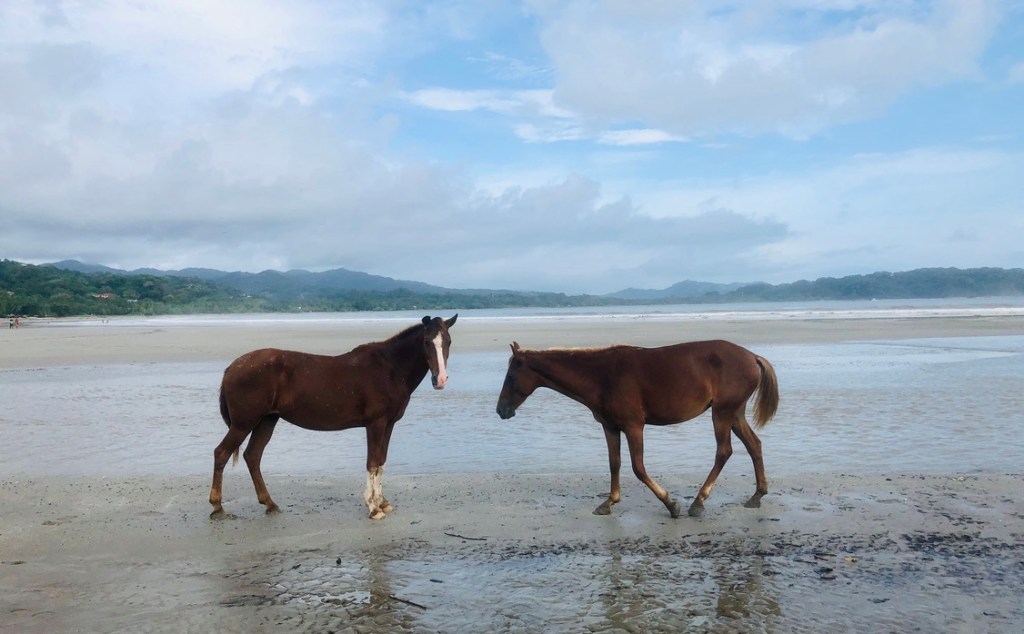
Samara itself is a rare gem: a small, unpretentious surf town that forgoes big resorts in favor of small, family-run guesthouses, none of which infringe on the pristine nature of the beach; hosts a smattering of ex-pats, some who have opened dining establishments serving delicious food (I’m thinking of the Italian cuisine at Mama Gui and the baguettes and pastries at the French-owned Boulangerie); where howler monkeys herald the dawning of each new day and free-roaming horses wander the streets of town and the beach. Sure, you can do the zip-line tour, or rent ATVs just like in most beach towns on the Nicoya Peninsula, but it seems most people come here to surf the mellow waves, relax on the uncrowded beach, peruse the fresh fruits and vegetables at the weekly farmers market, feast on the fresh ceviche offered by a fisherman from his vehicle parked in town and enjoy the pura vida vibe that makes Costa Rica so special.

Sharing the beach with some of the locals.
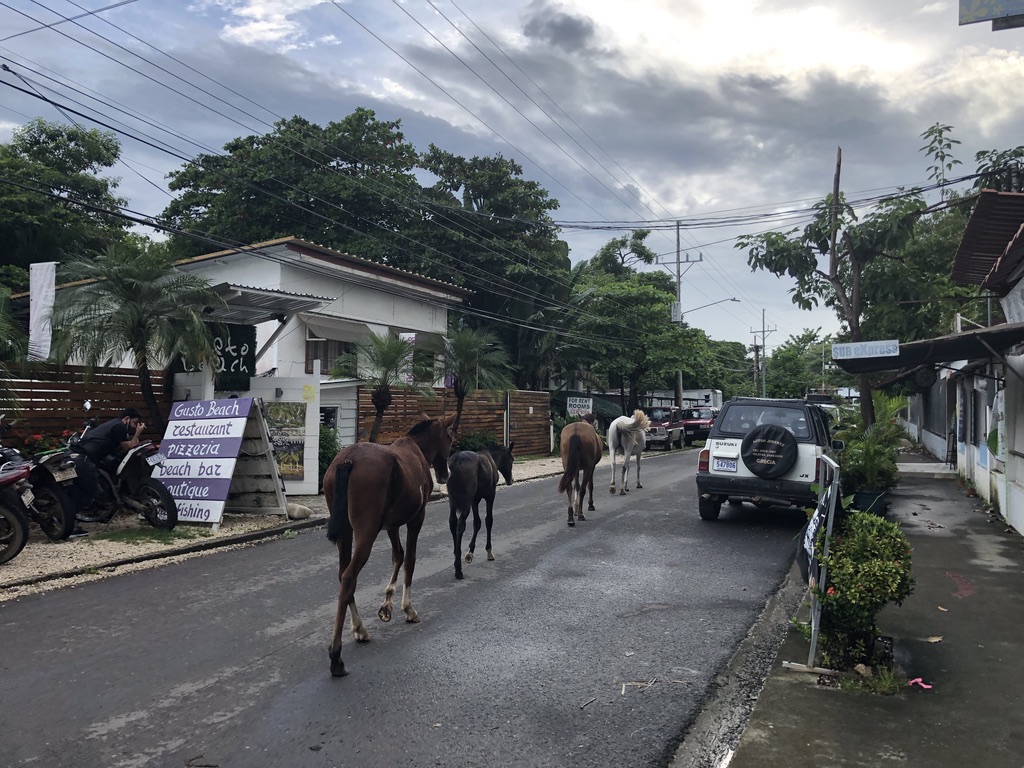
In case you thought I was kidding about the horses in town.

As the first month of our winter travels winds down, we’ve started to plan for our next destinations. For the next month, we expect to explore the southern part of the Nicoya, visiting Santa Teresa, Malpais and Montezuma before making our way to the Osa peninsula and Corcovado National Park. Turning back north, we hope to return to the areas around Monteverde National Park and Lake Arenal before settling in for another extended visit to Costa Rica’s Caribbean coast (sloths!!). While it’s not celebrated here, where folks already have their Christmas decorations up, we hope you all have a wonderful Thanksgiving!


Leave a comment

Sunsets Are Back

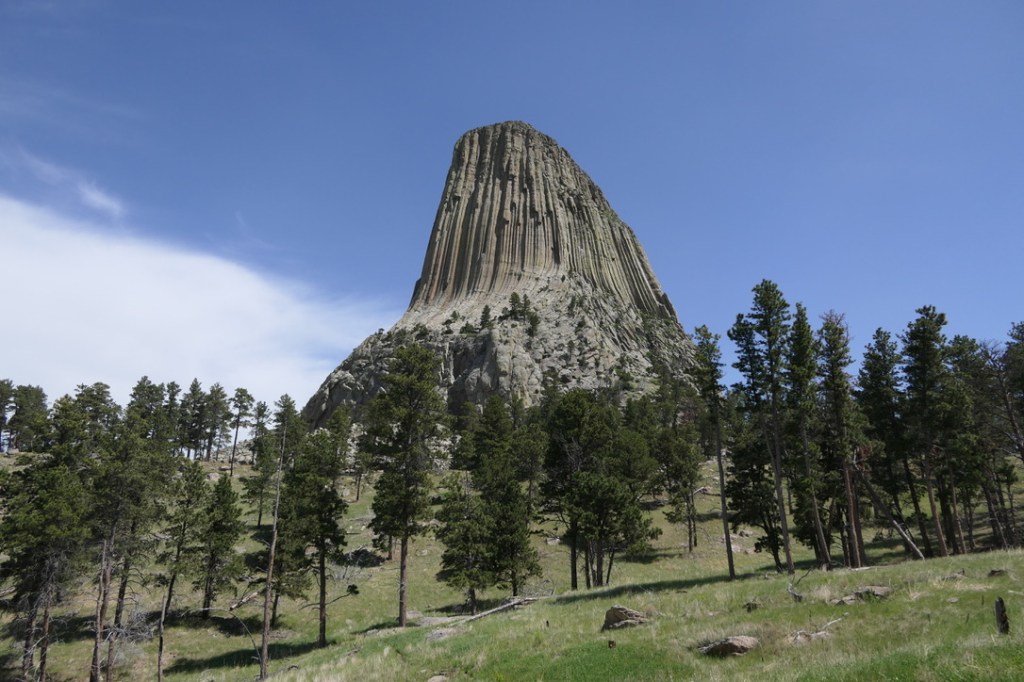
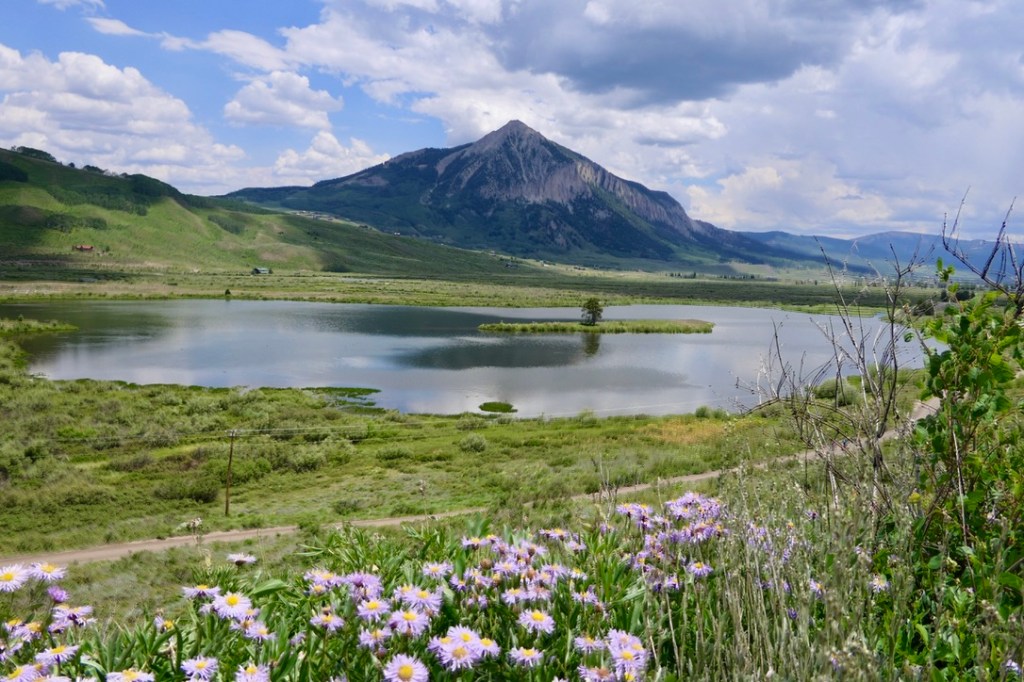
Friends of ours that sail (I’m talking about you Greg and Lew) have a saying – “Plans are written in the sand on the beach at low tide.” Loosely translated, that’s a reminder to stay flexible, since the best-laid plans often go awry. If there was ever a season for plans to go awry, we all know this was the one. To recap a bit, since our last post this past spring: after a winter traveling throughout Central America, we had planned to return to Colorado in late-April, regroup, and travel to Hawaii, where we had accepted a house-sitting position for the entire summer. At the conclusion of that gig, we hoped to return home briefly before heading to South America for the upcoming winter season. Of course, that nasty little virus raised its ugly head and a huge wave came crashing down upon the beach that held our written plan. Given forty-eight hours notice that Belize’s only airport was about to close, we chose to cut short our winter travels by a month and return home to the U.S. We thought the worst was that we’d have to spend an additional month back in Colorado before flying to Hawaii. Then, two weeks before our late-May departure, our flights were canceled. But the airline allowed us to rebook for early June, when Hawaii’s fourteen day quarantine requirement was set to expire. When that was extended through June, our flight was once again canceled (another wave hits the beach). We rebooked for July. That was canceled in late-June. We rebooked for August. That was canceled a week before. As the latest wave receded from the beach, leaving our summer plans washed clean, we resigned ourselves to staying put until the fall, when surely this pandemic would also recede. With each passing month, facing another flight cancellation and another month in Colorado, we did what any stranded flyer would do – road trip! Since everyone else was staying home, we naturally thought it would be a good idea to get out and see the best sights the Rocky Mountains had to offer. In May we traveled to Utah and northern Arizona, visiting Moab, Lake Powell (and one of the most incredible paddle board adventures into Antelope Canyon) and Bryce and Capitol Reef National Parks. In June we drove north into Wyoming to visit Devils Tower, Yellowstone and Grand Teton (grizzlies, anyone?) and Jackson. For July we took in Snowmass, Crested Butte and Gunnison in central Colorado. We definitely made the most of the summer, but eventually we had to start thinking about our upcoming winter. Options were few – most Central American countries, other than Mexico, were still in lockdown. South American countries were taking turns making the top-five list of highest COVID case counts in the world. Asia wasn’t welcoming American travelers. The only sure thing was – we weren’t spending a winter here in Colorado.

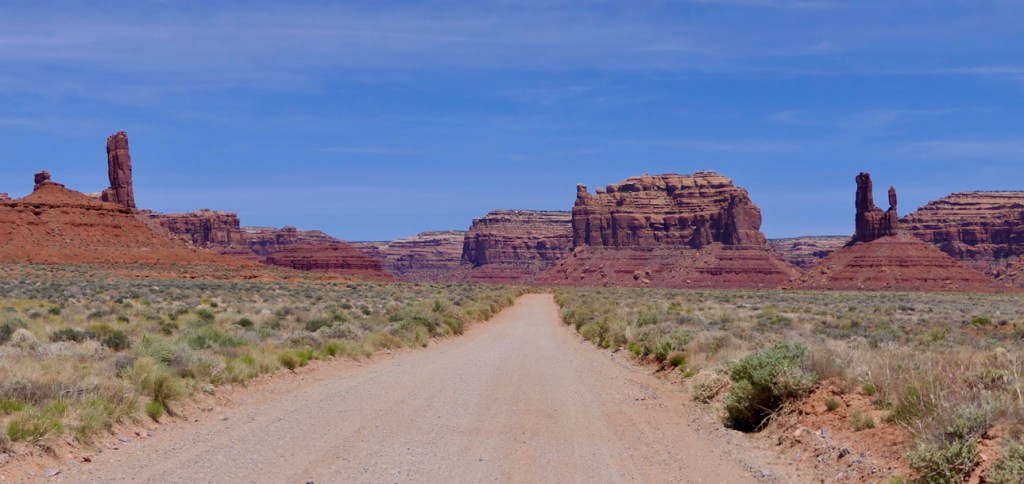
Valley of the Gods, Utah
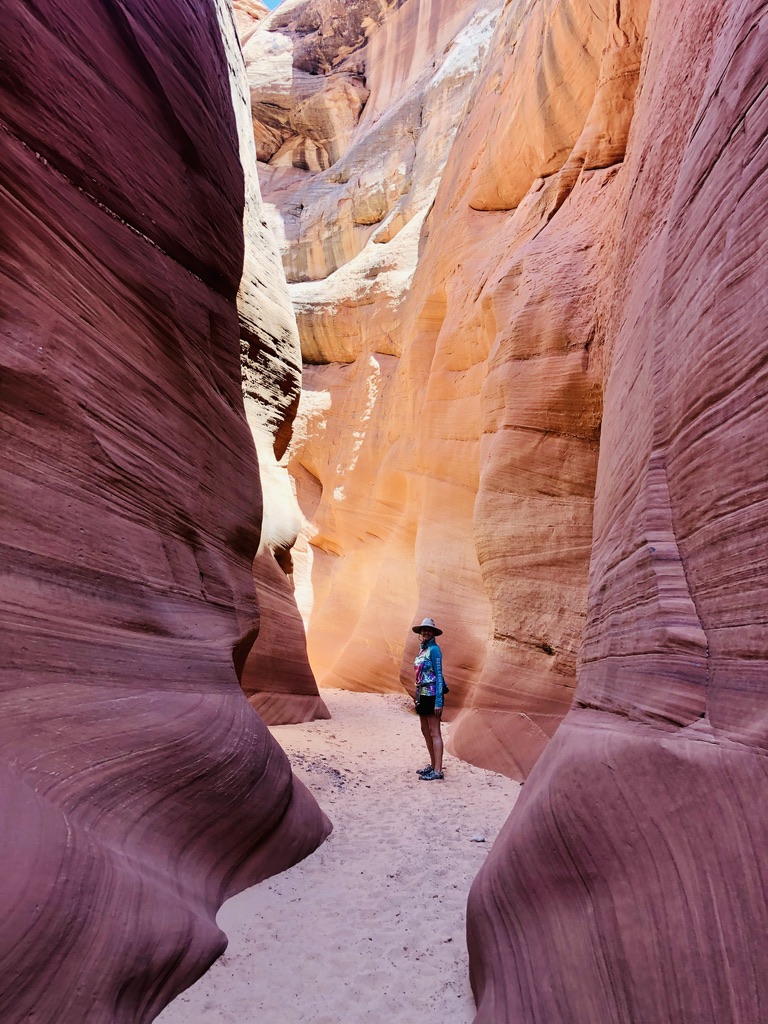
Exploring Antelope Canyon, Lake Powell, Arizona
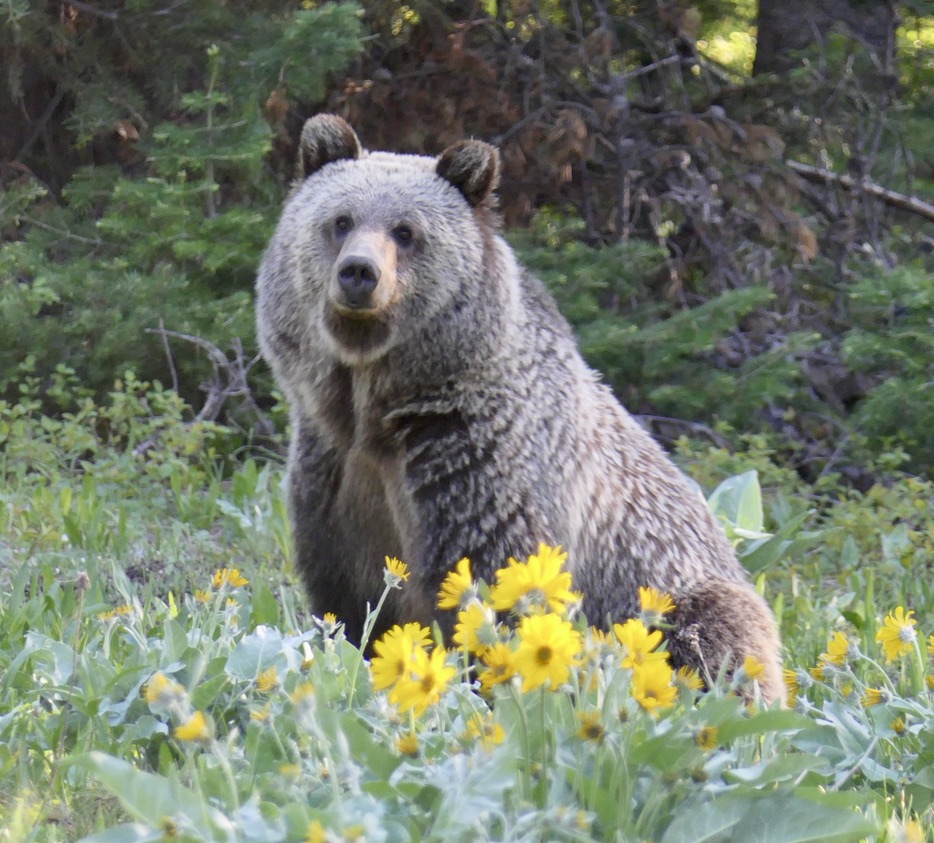
Young grizzly in Grand Teton National Park
Devils Tower, Wyoming

Now, I know this will sound whiney. ‘First world problems’ sort of thing. But we were really starting to stress about where to go. Heather, particularly, was having a hard time. She’s the person that typically starts planning our next trip – the day after we return from the previous one. This was killing her! Finally, a light clicked on – Costa Rica announced it would reopen to certain American tourists in September. Unfortunately, only residents of six states (all in New England) would be welcomed. Soon after, Coloradans were added to the list, and our destination decision was made! But wait. There were hoops to jump through – we would have to have proof of a negative COVID test (taken within 72 hours of travel) and present proof of travel insurance that covered care for contracting the virus, as well as cover the cost of accommodation if we’re forced to quarantine. But perhaps the toughest announcement was this – all the countries beaches would be closed from 2 pm on. That meant no toes-in-the-sand happy hours at the beach bars, and worse, no viewing the legendary sunsets from the beach (with those in Hawaii, the best in the world, IMHO). But this would all be a small price to pay for winter warmth, sloths and toucans (and quetzals, howler monkeys, iguanas and even enormous spiders), rainforests, long beach walks (in the mornings at least) and endless ‘pura vida’.

One afternoon, after we had booked our flight to San Jose, reserved a rental car and found a one-month deal on a condo just back from the beach in Samara, on the Pacific coast, I was happy thinking we’d made a good start on our winter travel plans. After a month, or two, in Costa Rica, we’d see how the virus was being managed and who else in the region was open for U.S. travelers. I was startled out of my thoughts when Heather, from her spot on the couch, yelled “Sunsets are back!!!” It seems Costa Rica had just announced the 2 pm curfew on beach visitation was being rescinded – sunsets were, indeed, back. Days later the countries officials announced that they would no longer require a negative COVID test result prior to entry. Things were really looking up! Now our only concern was getting out of Colorado before the snow flies – which would be a stretch since we weren’t leaving until October 29th. In this case our luck ran out – four days before departure we received 8 – 10 inches of the white stuff, followed by two nights where the temperature dropped below 0. Oh well, guess you can’t have everything.


Leave a comment

We’re Back!!!

B15368EA-5C81-496A-84C6-401BB0A5323B_1_105_c.jpeg

Not the beach.

While the roads were clear, snow fell steadily from the slate gray sky. We made our way along Interstate 70 heading west from Denver to our home in Steamboat Springs. Occasionally, during the three hour drive, either Heather or I would remark how surreal it felt to be back in Colorado during the winter for the first time in eight years (some might call late-March spring, but if it’s snowing, it’s still winter). Earlier that morning we had awoken in Miami, looked at our meager wardrobe of shorts, tank tops and flip-flops and wondered how we would fend off the cold that would greet us later in the day. The day before we had been sitting at Driftwoods, a beach bar in Hopkins, Belize, with our new Canadian friends, Tom and Daesha, lamenting our last night in the tropics before we would abandon our winter travels and return to our respective countries. The preceding forty-eight hours had been a confusing and stressful time. On Friday we were taking a wait-and-see approach: we’ll spend a couple days in Hopkins, on the central coast, before moving a bit south to Placencia, where there were more tourists as well as more lodging and dining options. If we had to stay a while it seemed like the place to be. That night, Tom came over to our cabin to tell us that the Belizean government had just announced they would close the country’s only international airport on Monday. The land border to Mexico would close at midnight. The crossing to Guatemala had already been shut down days earlier. They were trying to get flights back to Vancouver. Now the question we had to ask ourselves was this: could we handle staying here for at least another month? What if the closures were extended for an additional month, or two? That seemed a little too risky. We decided to buy tickets for a Sunday departure back to the US, then went to sleep. By morning, I was convinced we had made the wrong choice. I wanted to stay and wait it out. Why would we return to the States, where the virus was running rampant – even our small town had it’s first confirmed case. Belize was virus-free and seemed to be doing everything it could to prevent infections from coming into the country. But saner heads (that would be Heather) prevailed and we stuck with the plan. So on Sunday morning, the four of us loaded ourselves into a taxi and made the two and a half hour drive to Belize City’s airport. Golden, our driver, was boisterous and entertaining. The ride was enjoyable, the time passed easily given the light-hearted conversation. But as the airport came into view, we all grew silent. Reality was setting in – our trip was over and much uncertainty lay ahead. While we waited for our flight the first news reports came in: Caye Caulker was shutting down (an alternative to Placencia we had considered returning to for a long-term stay). Later, as we landed in Miami, the Belizean government announced the first positive test result in the country. Hotels, bars and restaurants were ordered to close. Transportation to the islands was halted. We had gotten out just in time! We considered staying in Florida for a bit, hoping to put off our return to the cold in Colorado. Once again, we made a last-minute decision to get home, so we bought a ticket for the following day. After our night in Miami, preparing for our flight to Colorado, I turned on the local news: Monroe county (the Florida Keys) was closing; hotels in the Miami area were told to close to all non-essential travelers; sports stadiums were being pressed into service as mobile testing sites. Once again, we seemed to be staying one step ahead. Arriving at the airport it was surreal to walk through the nearly empty terminal – there seemed to be more employees than travelers. The flight was practically empty. The Denver airport was the same. And that’s how we found ourselves, in shorts and tank tops, driving through sub-freezing temperatures across the Continental Divide, to our home.

A week into our self-quarantine, we stare out the window of our living room at melting snow and leafless trees. The only people seen outside are those walking dogs. We pass the time reading (four months of magazines – actual paper magazines – had accumulated in our mail box); getting our money’s worth from Netflix (finally) and streaming other channels (did you know there’s a YouTube channel that shows jellyfish videos), getting back into doing yoga on a daily basis and making use of our ‘new’ home gym (moved from the freezing cold garage to the spare bedroom). And, as always, planning our next travels.

We’re still planning on going to Hawaii for the house-sit gig we were picked for back in December, unless the owners cancel their plans or the airlines are shut down. If that happens, we’ll stay here in Colorado for the summer, about twelve hundred miles from the nearest coastline, in which case you better believe those travel plans will include a beach somewhere.

6EB1010C-EA50-4782-96A2-42E1483702DE_1_105_c.jpeg

No snow in the forecast – Hopkins, Belize.


Leave a comment

Belize

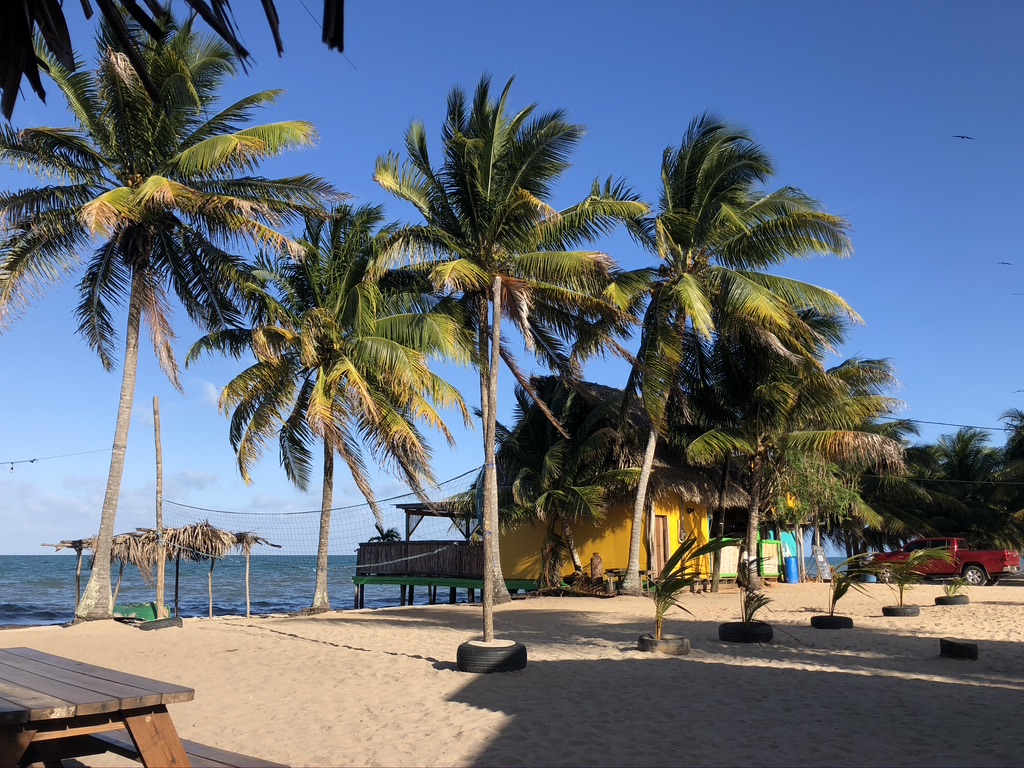
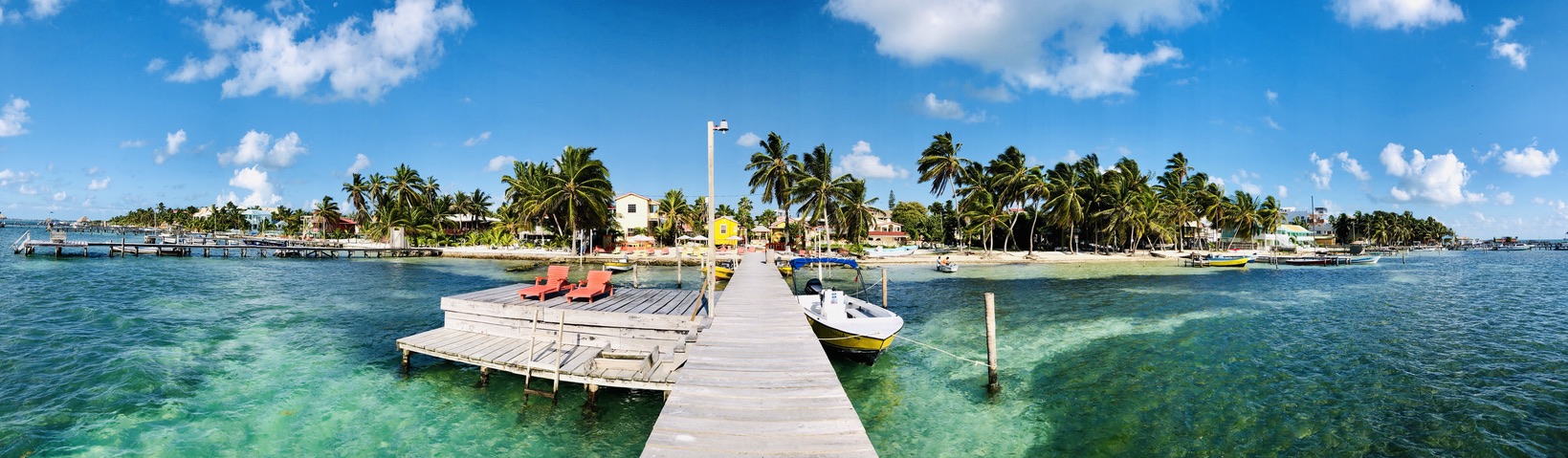
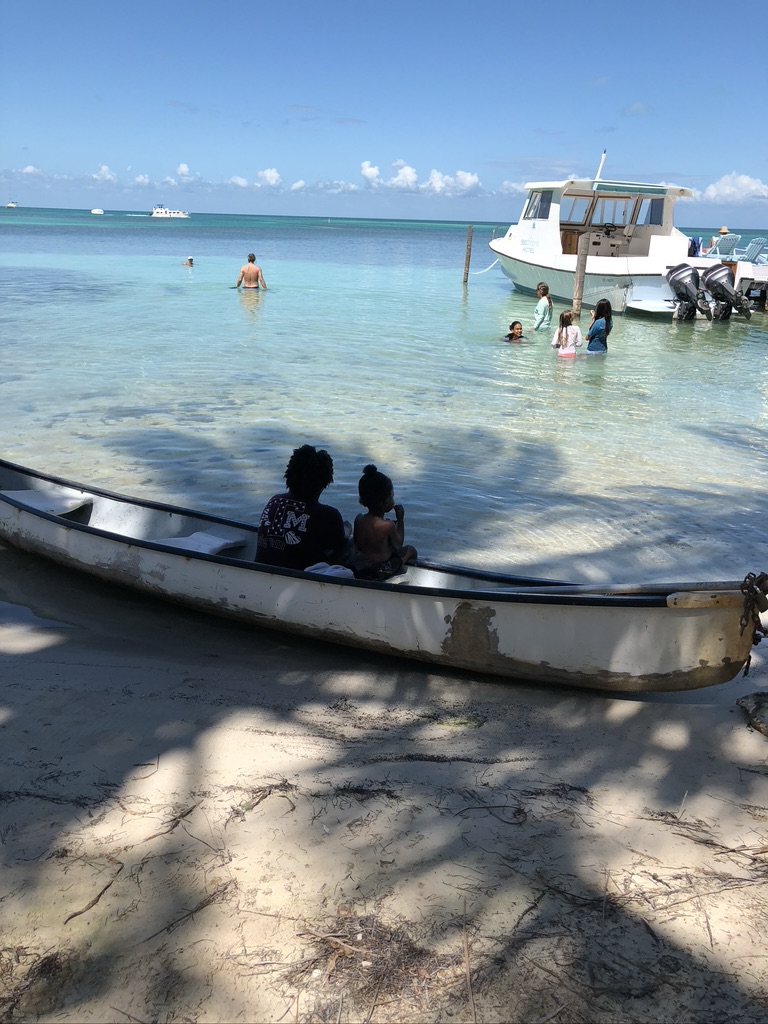
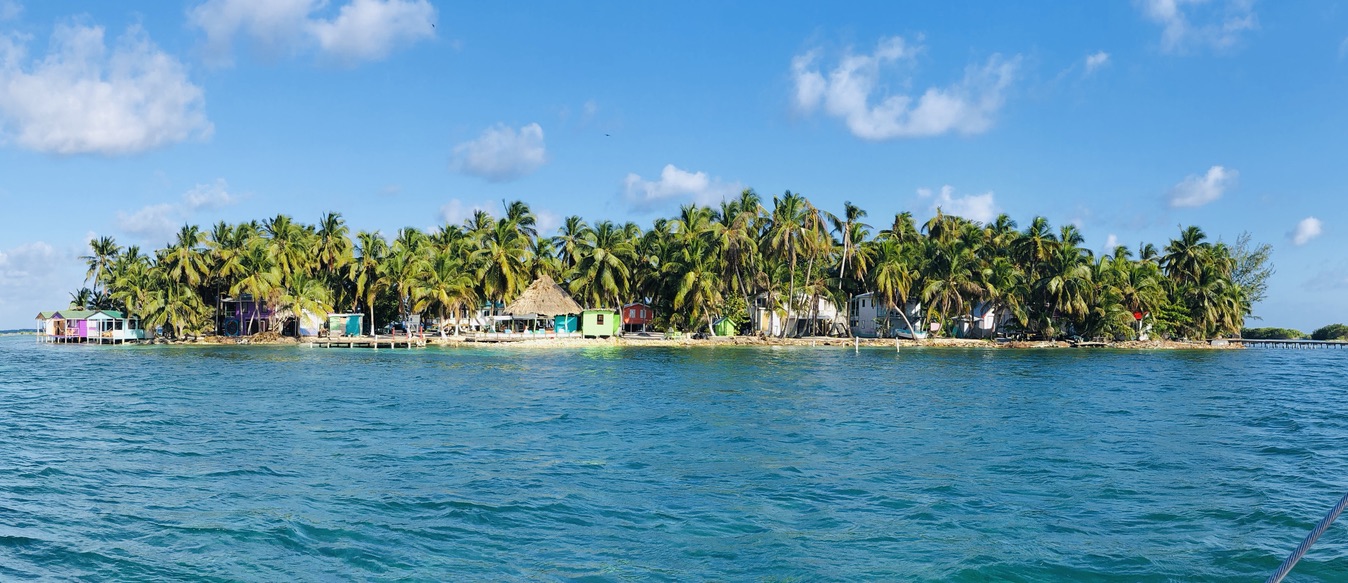
The Caribbean stretched out before us, shades of blue varying all the way to the distant reef, where the small waves broke, adding a white line that was the only distinction between the sea and sky. The pelicans had claimed their spots on the various pilings. A lone cormorant bobbed on the surface of the water before diving for a bite to eat. The sun was hot on our backs as it began its descent, but the wind was a perfect foil to its intense heat. Besides the sound of the wind rustling the palms at our back, only the shrieks of a bunch of local kids playing in the shallows could be heard. At our feet, on the sun-bleached dock, sat one of our dry bags, pressed into service as a makeshift cooler, filled with ice, a bottle of Sauvignon Blanc and a handful of Belikan beer bottles. “We’re self-distancing” Heather said, in reference to the advice of maintaining a healthy distance between bodies during the current pandemic. “Definitely doing our part” I replied. And so a perfect afternoon is spent out on Caye Caulker, Belize.

1F7A559D-C77E-4E07-BE94-38E47BD1AD90_1_105_c.jpeg

Caye Caulker from the dock at Tropical Paradise Hotel.

Belize, too, is doing its part. When our ferry docked in San Pedro, just to the north on Ambergris Caye, where we would go through the immigration process after leaving Chetumal, Mexico, and prior to making the thirty minute crossing here to Caye Caulker, the boat was boarded by the local public health director and one of his nurses. The nurse gave us a rundown on their concerns over the spread of the coronavirus, a list of symptoms we should know, as well as the location of the public health facilities on the island should any of us start to exhibit symptoms. Then, one by one, she took our temperature before passing us along to the director, who recorded our recent travel history and our intended addresses in the cayes. Finally, we were allowed to disembark and, again, one by one, enter the small immigration office to present our passports for stamping, but only after a guard watched each one of us clean our hands with sanitizer before entering. Those of us who completed the immigration process milled around on the dock waiting to reboard the ferry for the last leg to Caye Caulker and swapped stories about travel disruptions they had experienced or had heard of others talk about. An American couple had been on a bus from Mexico bound for Belize City but were turned back at the border due to the presence of one Asian traveler (who was actually an American citizen) on their bus. A couple of Danish travelers were concerned over their chances of returning home after hearing that their country had just closed its borders. Another American woman voiced disappointment that she had already been directed by her employer to self-quarantine once she returned home. So, while no cases have been reported here in Belize, the government is certainly not sitting back and waiting for the virus to make an appearance.

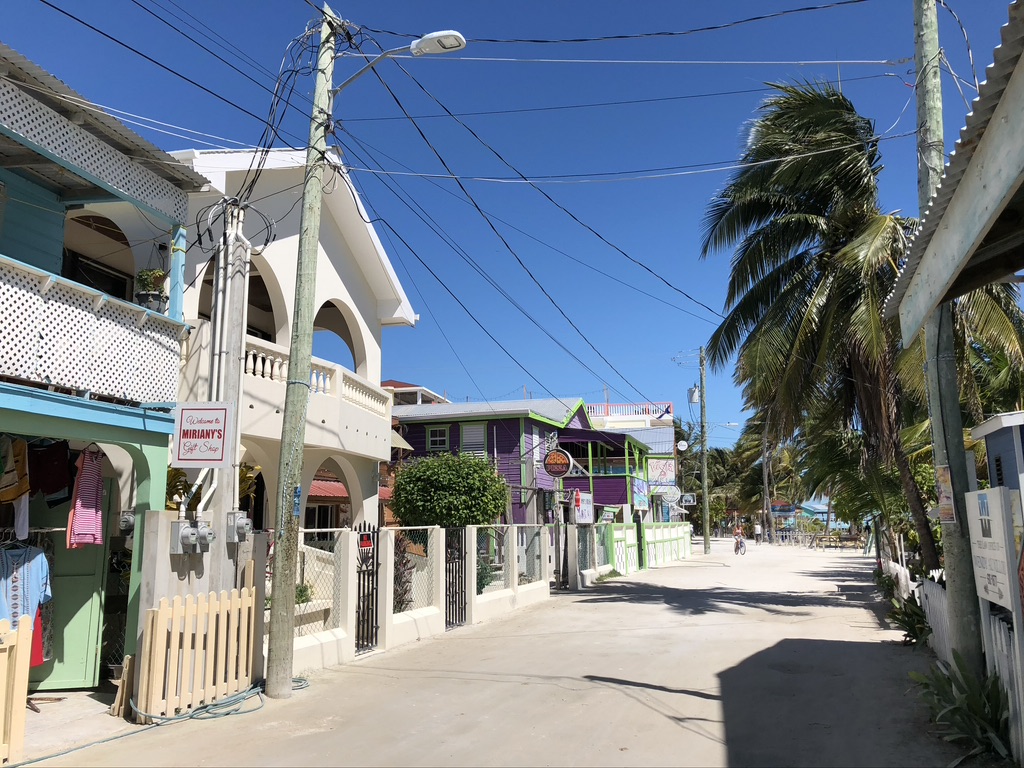
While the spread of the virus is on everyone’s mind, and a topic of conversation, it still seems to be business as usual out here on the islands. The water is still stunningly blue – and pleasantly warm; the breeze is welcome and cooling; the charcoal grills outside the beach-front restaurants still get fired up each afternoon and send the wonderful aroma of jerked chicken and fresh grilled seafood wafting through the streets; and the sun still makes its way across the sky to set into the sea each evening. Like Isla Holbox in Mexico (see our previous post), we had visited Caye Caulker before – twenty-five years ago. As surprised as we were by the growth on Isla Holbox after only three years, we had prepared ourselves for the changes on sleepy Caye Caulker that we anticipated. Yes, the island was busier. Yes, there were many more buildings and far fewer open spaces. Yes, the number of restaurants and bars had multiplied. But, like Holbox, Caye Caulker still retained it’s charm and still exuded a laid-back beach vibe.

E17B000C-EEAF-4245-9FFD-1F03507A37EA_1_105_c.jpeg

Locals enjoying weekend beach time.

97457509-2202-4EB1-A5C5-577DAEB4A362_1_105_c.jpeg

Main street.

After a couple days on the island, we sensed a shift in attitudes. Stories began to circulate – the ferry from Chetumal (the same one we had taken just days before) had been turned away; the government announced that the whole island would be quarantined if a single case of the virus was detected; Europeans were being refused entry to the country. This  was getting real. We were determined to push on with our travels, though. We felt fairly comfortable here in Belize – no cases of the virus, yet, while the number of infections back in the US, and our home state of Colorado, continued to climb. As I said earlier – it seemed to be business as usual here – until it wasn’t. Each day of the four we spent on Caye Caulker got a little quieter. Folks were leaving the island but far fewer were coming in each day. We had made a reservation for a three-day sailing trip from Caye Caulker to the southern Belizean town of Dangriga that promised sun, sailing and snorkeling. We nabbed the last two spots out of twenty-two available. Then two days before departure the cancellations started, but we still had the minimum number required for departure. At a briefing the day before, two more people dropped out. Then the charter company announced they would cease the trips after this one, as there certainly wouldn’t be enough people around to fill another boat. On departure day we were excited to go, as was the crew. We left the island mid-morning (8:30am ‘Belizean time’ – which is 10:00 to the rest of us) under sunny skies. At midday we stopped along the reef for a snorkel, then feasted on Chef Andre’s lunch of chicken, rice and beans, and cole slaw before hoisting the sails once again to move south along the barrier reef to our second snorkel spot. Once out of the water Captain Shane announced “happy hour” in his sing-song Belizean accent and rum punches were served along with shrimp ceviche. Just before sunset we arrived at Rendevous Caye, our stop for the first night. Tents and sleeping pads were unloaded and we made camp on the white sand before assembling for more cocktails and the chef’s dinner of baked snapper, shrimp curry, vegetables, rice and salad before retiring under a star-filled night sky.

DF7FE8FC-A875-4C35-93EE-109202B8AB80_1_105_c.jpeg

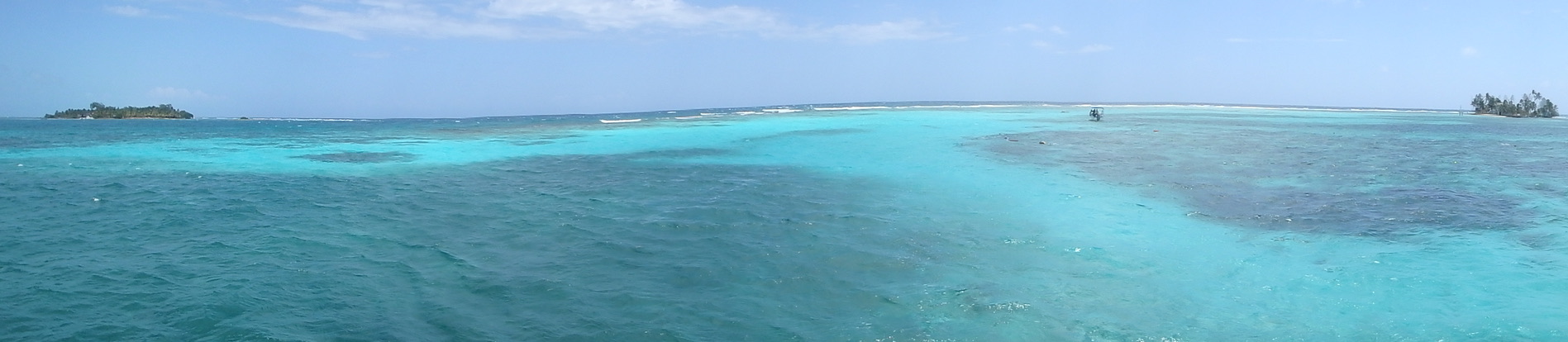
A section of the Belize barrier reef from our catamaran.

9269FBCB-0FA7-496B-B869-FC1BD4789F08_1_105_c.jpeg

The Ragamuffin Empress at anchor over the reef.

C3738D90-90B5-4658-A5CB-67CBF74569AD_1_105_c.jpeg

Rendevous Caye (thanks for the drone shot Bjorn).

Day two of our sailing adventure began with another of chef Andre’s sumptuous breakfast spreads before boarding the boat to continue sailing south along the barrier reef. By midmorning we had snorkeled another pristine reef, then had lunch underway to our afternoon snorkeling spot, followed by the “happy hour” call, when Marvin, the other crew member, served icy pitchers of rum punch and more of that delicious shrimp ceviche. We visited tiny Tobacco Caye, home to three resorts, before moving on. Late afternoon we got our first glimpse of tiny Ragamuffin Caye, our home for the night. We were pleasantly surprised to find that we would sleep in actual beds tonight inside over-water cabins. We indulged in cold-water showers before assembling in the dining cabana (also over-water) for reggae tunes, cocktails and Andre’s three-way preparation of the fresh fish that had been caught on the trolling lines we had trailed throughout the day – grilled snapper, baked and fried barracuda, along with the ever-present rice and beans, salad, mashed potatoes and cole slaw. Had the allure of comfy beds, clean sheets and soft pillows not been calling, I’m sure the crowd would have stayed up much later to enjoy the music and drinks, but we were all soon retired to our cabins.

7C896D29-91D2-43CC-84F1-F2C900CEF9A6_1_105_c.jpeg

These guys were seen at every snorkeling stop.

4BE572D4-4187-4A0C-AFCA-E169FAE3EA0D_1_105_c.jpeg

Tobacco Caye made for a nice afternoon stop.

E6BA708C-C8DD-4B5F-841E-E13BF9B9EDCD_1_105_c.jpeg

“Happy hour?” – Yes, please.


35648B6A-508C-4C01-AA3C-73EC142C8C90_1_105_c.jpeg

Sunset on Ragga Caye – Night 2.

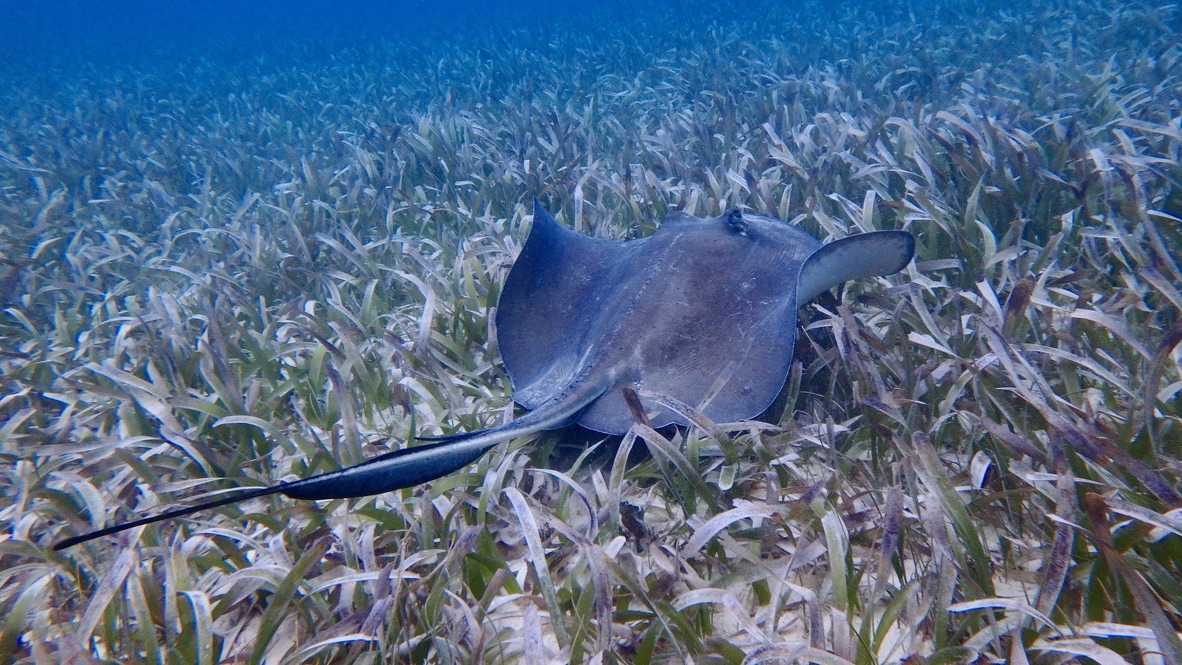
Our last day between Caye Caulker and Dangriga began with a trip out to a small spit of land covered in mangroves – home to a bunch of frigate birds in the midst of courting. The males were perched in the trees, puffing out their red throat sacs, trying to coax a female, hovering above, to join them. We then sailed into a mangrove-lined lagoon, where Captain Shane hoped to spot a manatee. Sure enough, one manatee surfaced a number of times between foraging for sea grass at the lagoon’s bottom. Following another snorkel stop we returned to Ragga Caye for our final meal from chef Andre – barbequed chicken, fried plantains, rice, salad and cole slaw. Then it was time to pack the bags, take the last pictures of our tropical paradise and prepare for the short boat ride to the mainland. Thoughts of sting rays, turtles, corals, “happy hour” and Captain Shane’s infectious laughter would be left behind, to be replaced by news of flight cancellations, closed borders, closed businesses and all the rest of the real world issues that we had put out of our minds for three days. Heather and I would travel down to the small coastal town of Hopkins, where we hoped to regroup, assess the world situation and try to develop a plan for returning home. Or not.

F6562370-87C7-4412-B023-65BC209D282F_1_105_c.jpeg

Frigate bird sanctuary.

53CDB82D-9642-4C52-B785-2E7B7445C38A_1_105_c.jpeg

Am I thinking:                                                                                                                                                                             a) will our flight be canceled?                                                                                                                                                b) will we get back to the States?                                                                                 c) what is chef Andre serving tonight?


Leave a comment

Holbox

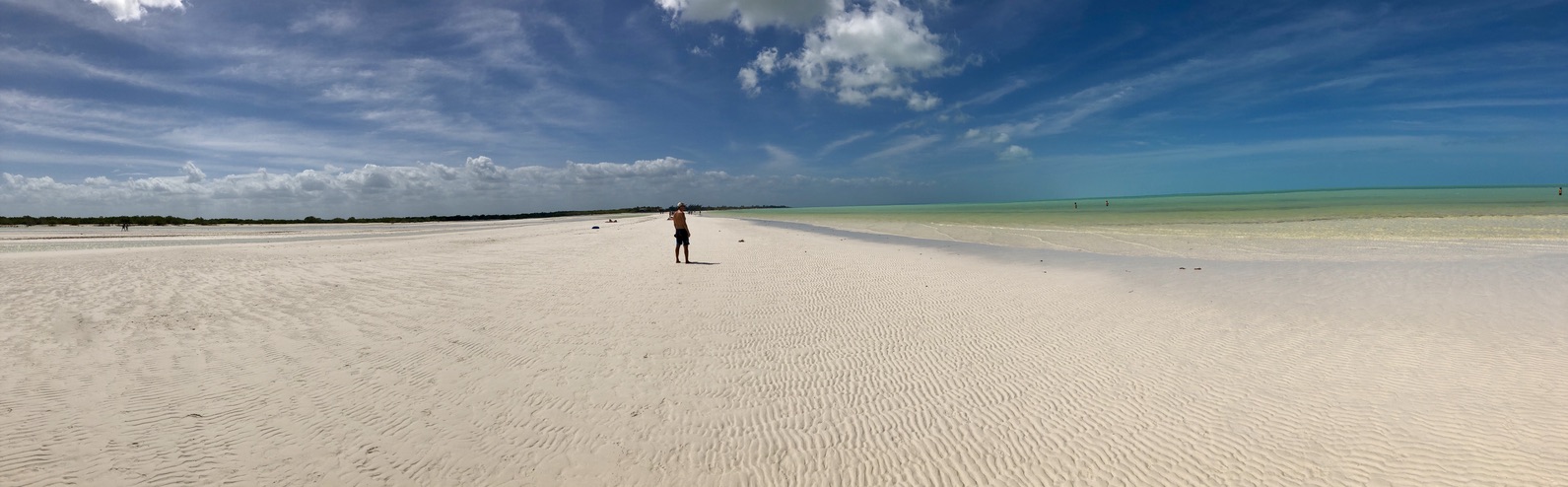
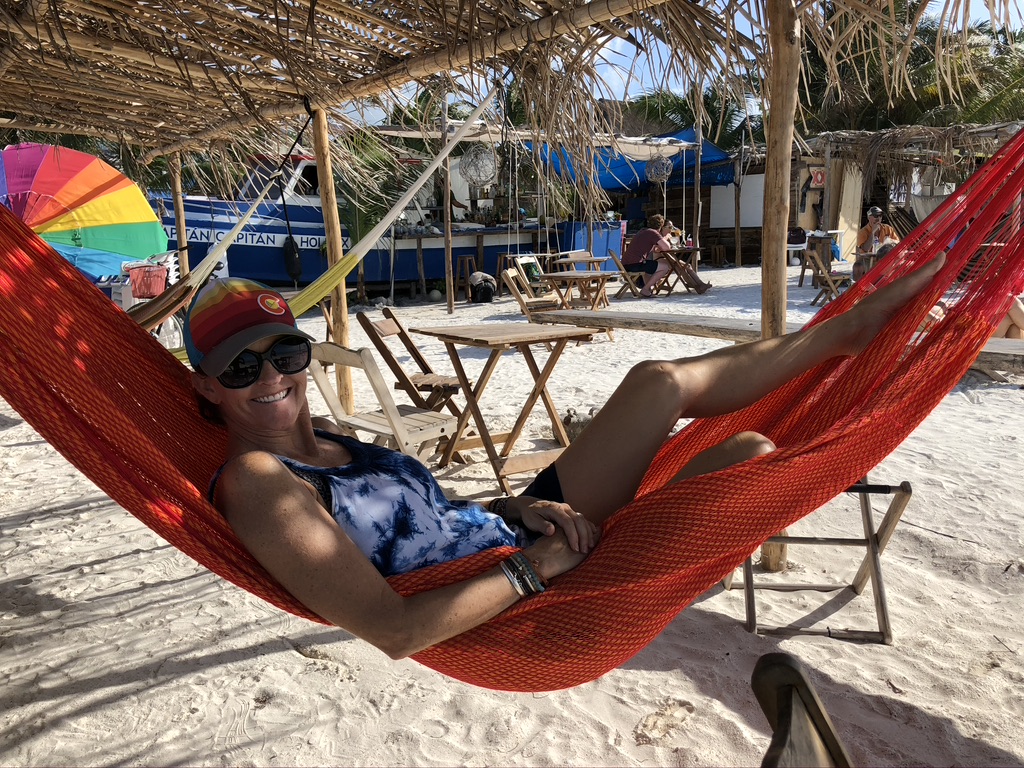
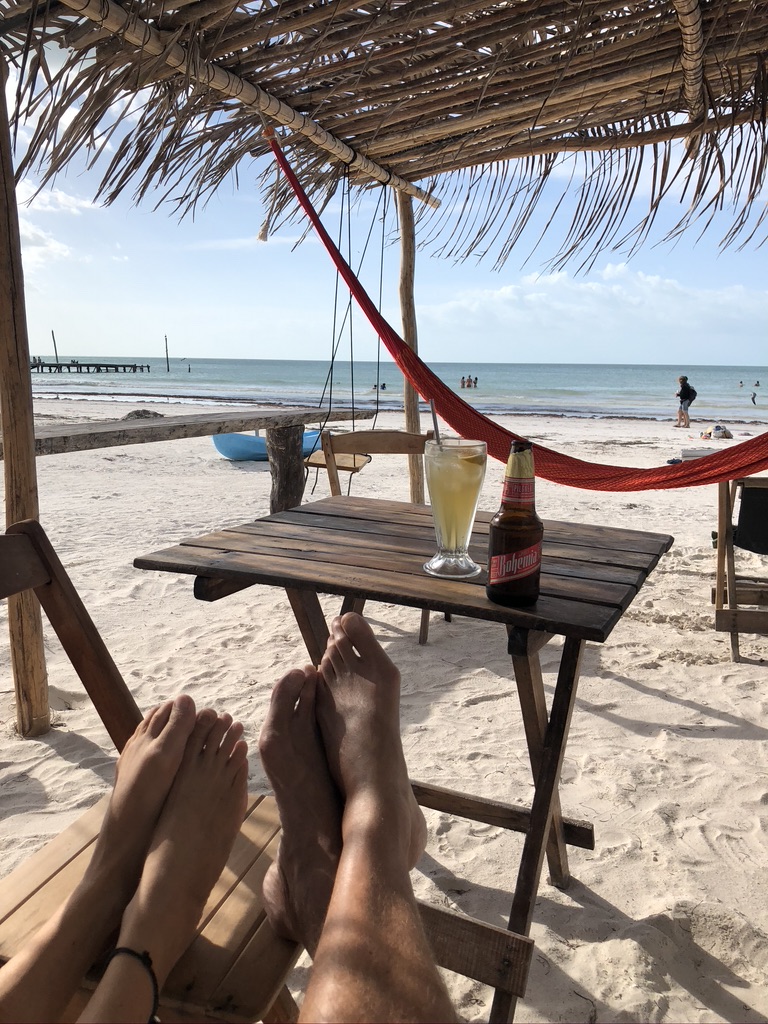
EC6F6EEE-BA93-495A-A29C-42DBFF1363CA_1_105_c.jpegJust over three years ago, on a one-month road trip through the Yucatan peninsula, we found Isla Holbox lying off the north coast. An island without cars. Part of Mexico’s largest nature preserve, Yum Balam, there’s more beach, mangroves, lagoons and bays than development. We fell in love with the crystal clear water, white sand beach, laid-back vibe and the handful of pink flamingoes that stalked the exposed sand bar and shallow lagoon just outside the village. It was a place that seemed too good to be true. And, as we found on our visit last week, was. Not that Isla Holbox has been ruined. Not by a long stretch. But it has been . . . discovered. Granted, our first visit was in the summer month of August. At the time, the flamingoes outnumbered the humans on the famous sand bar. The cafes were mostly empty and town was relatively quiet. The action, or what passed for action, consisted of locals strolling the streets of the town’s plaza in the evening, enjoying tacos and tortas from the collection of food carts there. Upon our return, the place was a hive of activity. Large numbers of kite surfers played in the winter winds. New restaurants offering organic fare, steaks, pizza and fresh pasta had sprung up. Construction of homes and condos out at the western end of the island, Punta Coco, was being undertaken. The locals on the town square were far outnumbered by North American and European backpackers. Our favorite hammock at Capitan Capitan (with it’s cool bar built right inside an old fishing boat) was often occupied. But, on the bright side, we had some amazing food beyond the typical Mexican fare –  smoothie bowls, French pastries, waffles and pasta – that weren’t offered before. And, despite the wind, the sea was still beautiful, the sand was still blindingly white, the sand bar at low tide was a sight and the sun still put on a show each evening.

010F57F7-DD31-48CD-B791-5D6ADB204B10_1_105_c.jpeg

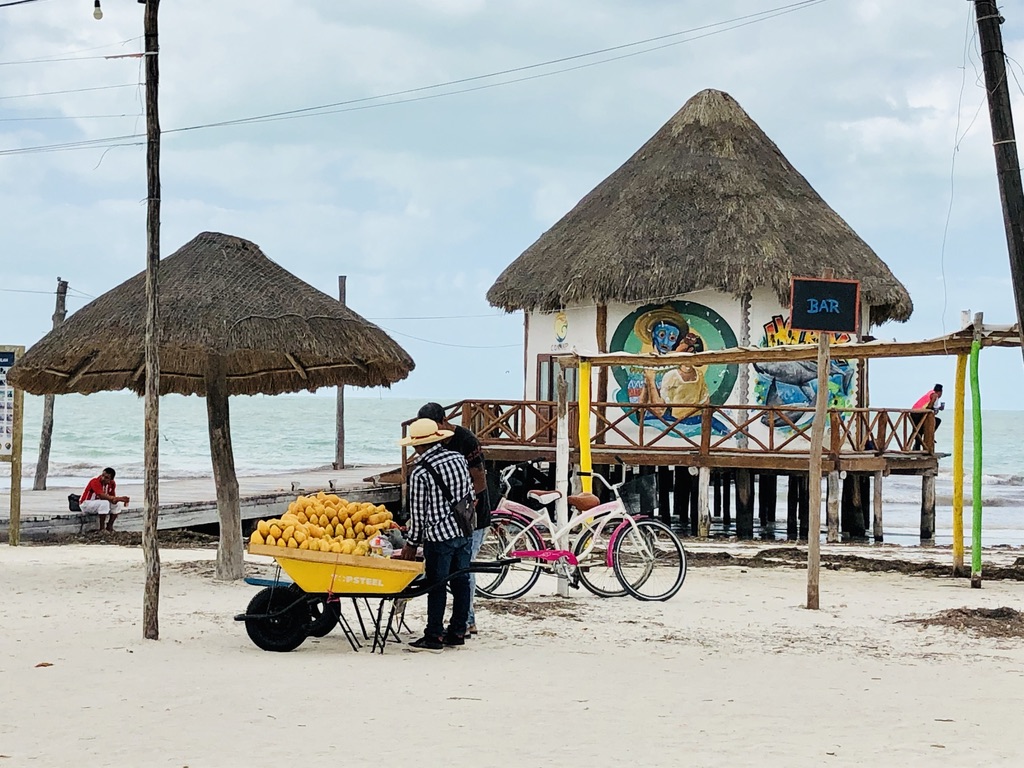
Mango vendors make their rounds.

A3F17A20-06A7-4347-A612-14FC6D2D8DC1_1_105_c

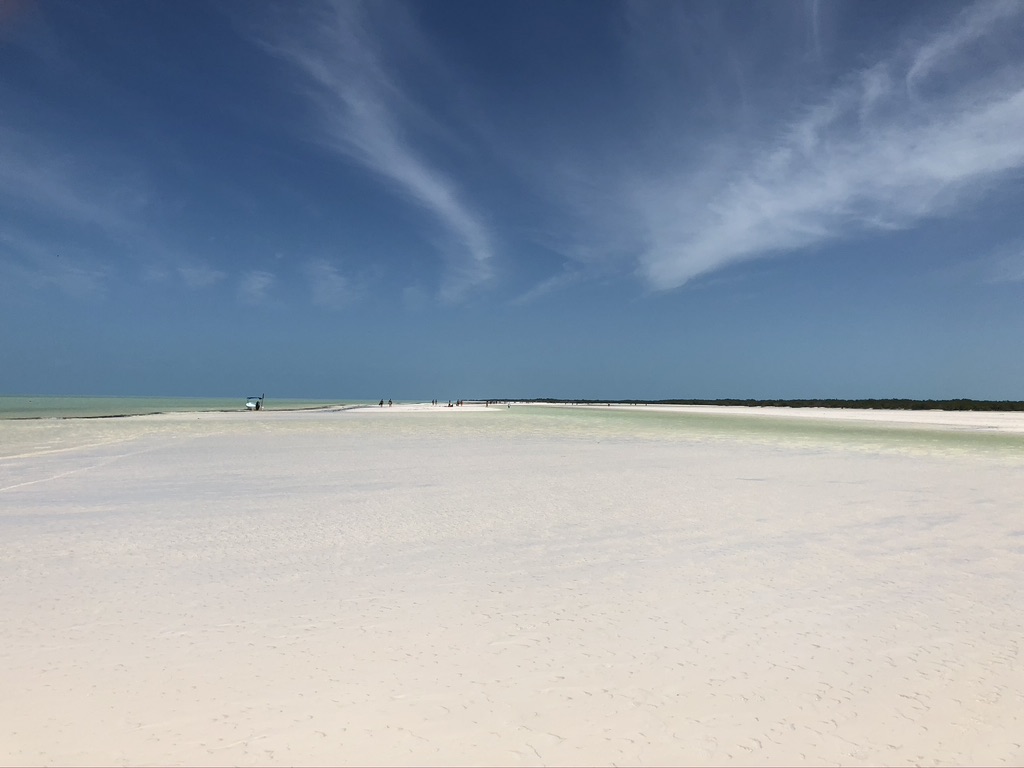
The sand bar.

EF7D39D6-651E-444D-8B16-D260C6D6A84C_1_105_c.jpeg

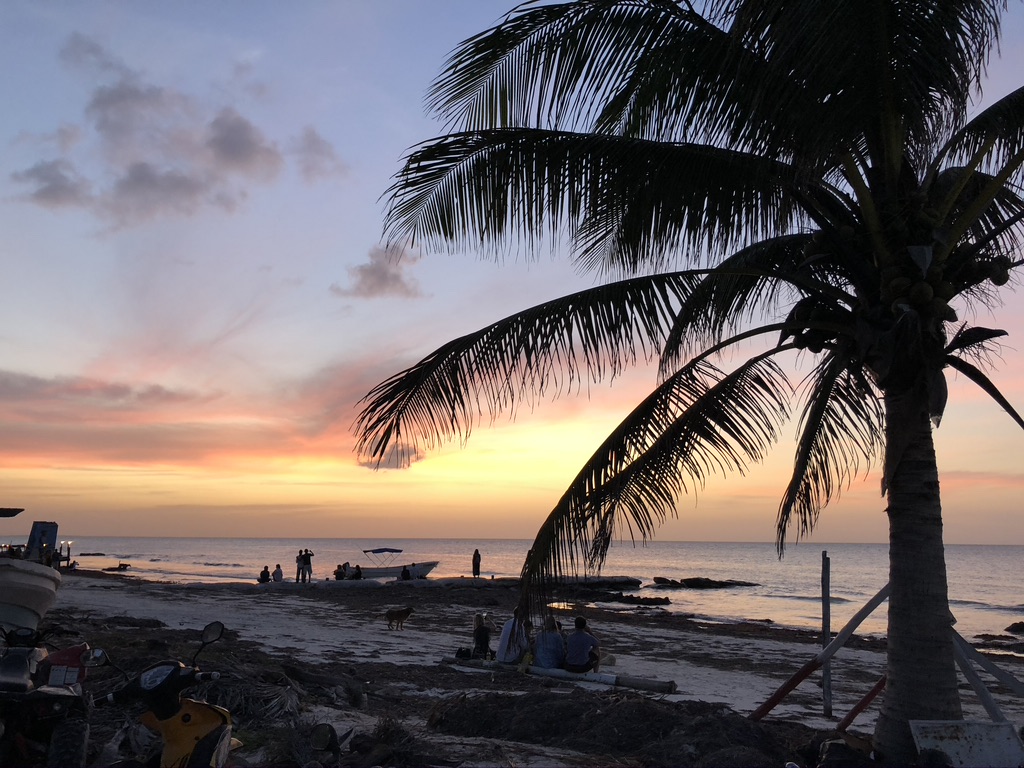
Holbox sunset.

During the summer whale sharks and manta rays cruise the waters between Holbox and Isla Mujeres, which lies to the east, closer to Cancun. Snorkeling with these creatures was the highlight of our previous visit, but they’ve migrated elsewhere for the winter months. So we were left to spend our days wandering the dusty side streets of the village admiring the colorful murals, or walking out to Punta Coco to watch the local fishermen cast their lines into the channel. Heading out of town in the opposite direction we would walk sandy paths that wound through the stunted mangroves and bushes lining the beach, eventually to emerge onto the lagoon created by the offshore sand bar. Back in town, we would dine on ceviche, tacos, gringas (simple quesadillas) or tostados camarones (plump shrimp tossed with shredded veggies and avocado piled atop a crisp tortilla). Then it was off to find our sunset spot – whether it be from a quiet stretch of beach or amongst the crowds from a hammock at Capitan Capitan. Not a bad way to pass a week.

82330C1F-6E23-423F-B6DE-B23AF5B46BF6_1_105_c.jpeg

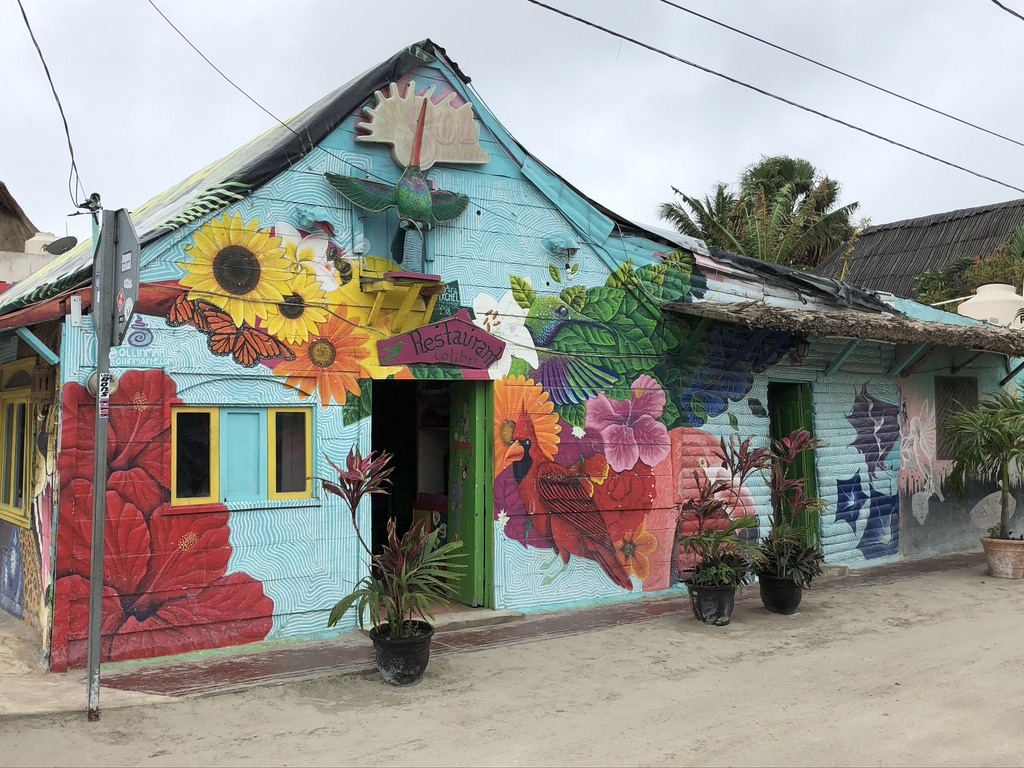
Colorful murals in Holbox village.

1E2CE7DF-7CC8-4797-955B-920157C9D60D_1_105_c

Sunset time.

2FD8CC9C-3E63-4C58-B4C4-66EE9BD6F78A_1_105_c.jpeg

“So we’re going home in about a month.”                                                                                        “Remind me – why?”


1 Comment

Mojitos, Daiquiris and Hemingway

“Remember, we’re here to support the Cuban people” Heather whispered to me as we stood in adjoining lines at the immigration checkpoint in Havana’s airport after disembarking from our flight from Cancun, Mexico. American citizens are supposed to declare which of eleven categories of officially sanctioned visa categories they’re traveling on. “Thanks for reminding me” I whispered back, just as the female agent motioned me forward. As I stepped to her kiosk and placed my passport, which contained my Cuban visa card attained at the Cancun airport, on the counter, she yawned and stretched languidly, scooping up my passport as she brought her arms back down from above her head. She certainly didn’t seem overly concerned with the appearance of an American tourist, even though, as we were to find out during our travels through the country, my country has needlessly made life for the average Cuban citizen increasingly more difficult since 2016. Nevertheless, my visa card was stamped without question and I was free to enter the country. Soon after, Heather’s mom would arrive after her flight from Miami and join us for our ten day tour of the Communist country that lies just ninety miles south of Key West.

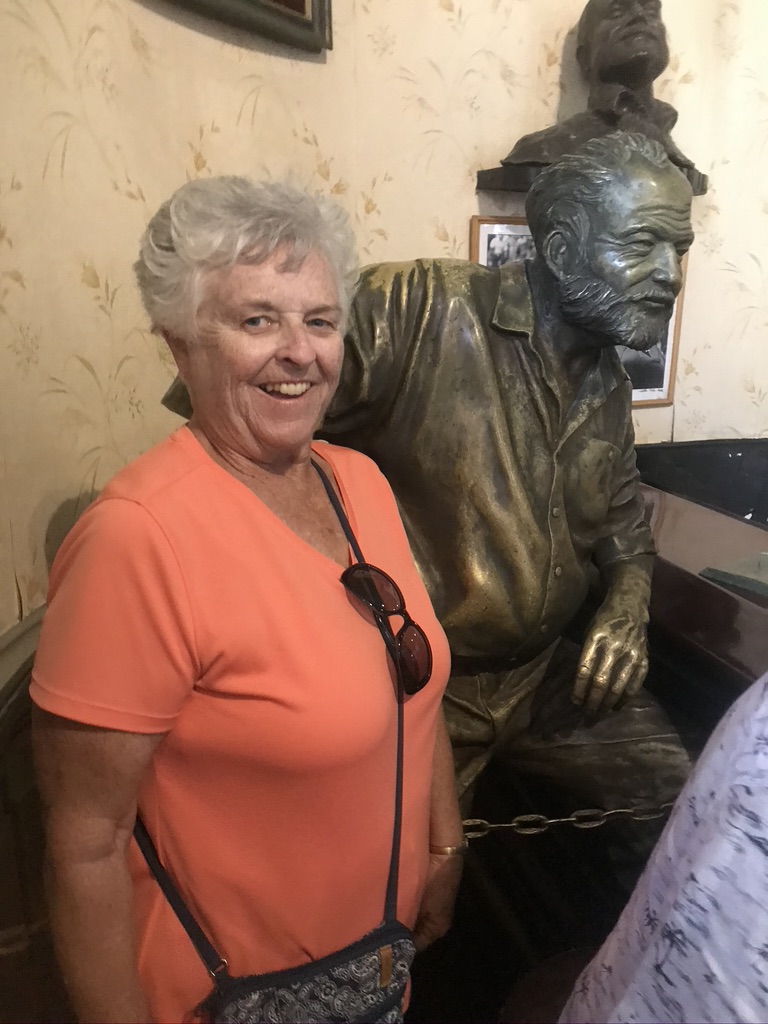
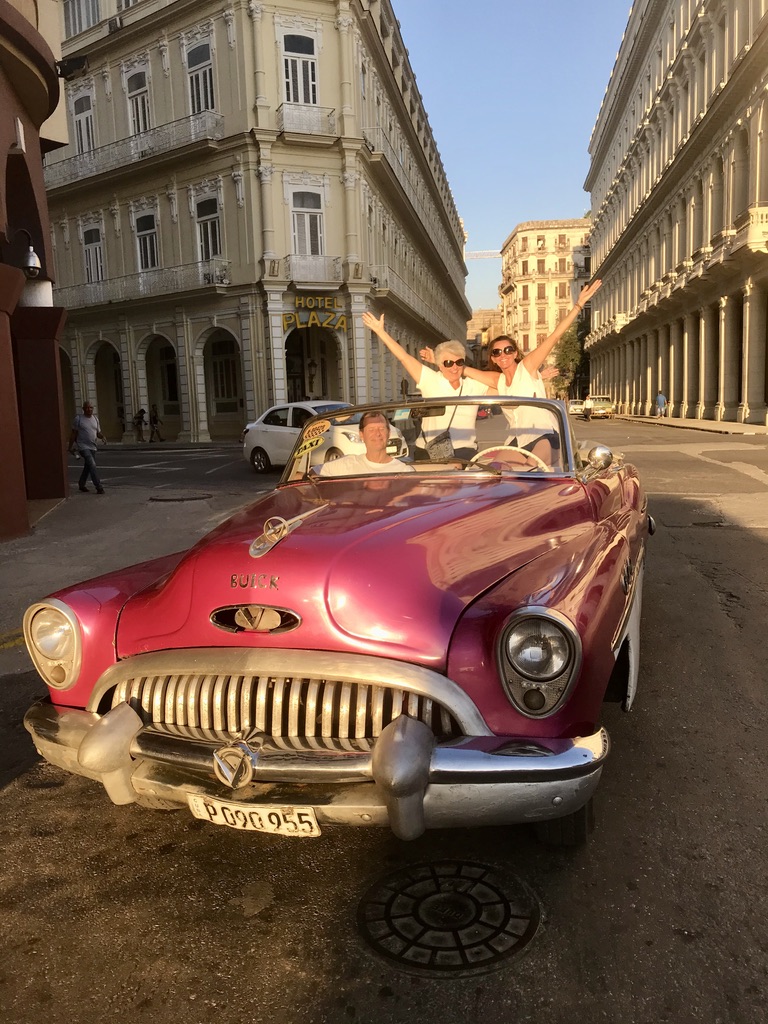
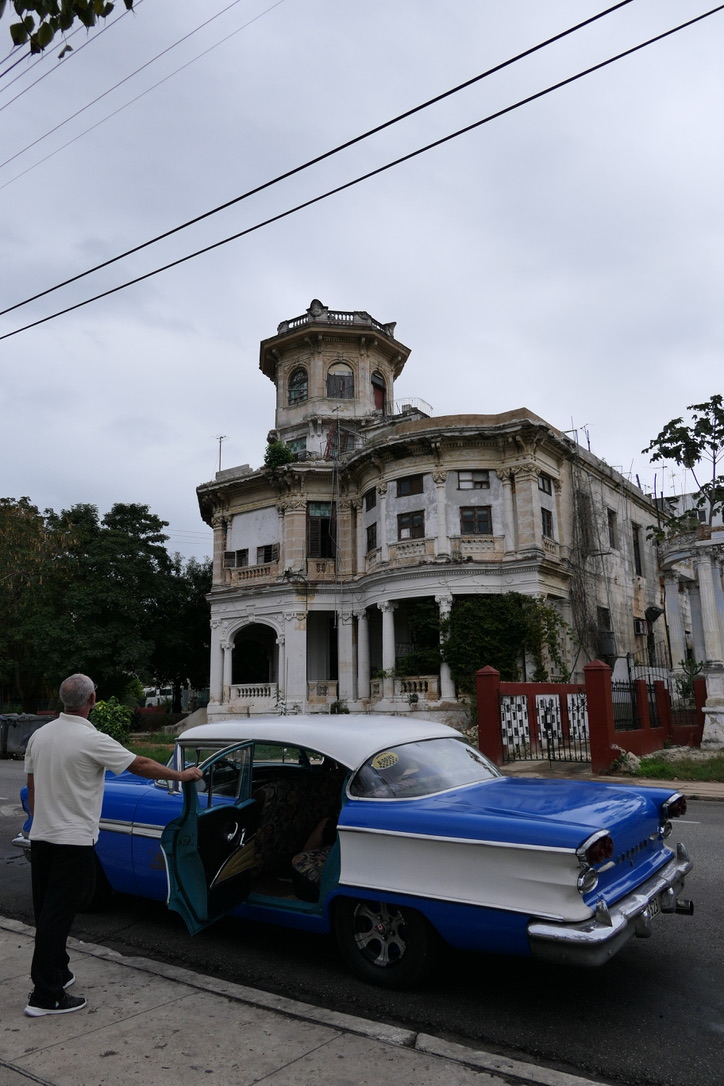
When we had announced our intention to visit Cuba, back in December, Mary Jane (my mother-in-law) had jumped at the chance to come along. She loves an adventure just as much as we do. In fact, a few years ago we celebrated her birthday by hiking to the Sun Gate above Machu Picchu, the year after that we were on safari in Kenya and Tanzania and the last two summers she’s visited us in Steamboat Springs she was the one to suggest we take road trips to visit Yellowstone, Mesa Verde and Taos, New Mexico. No ordinary vacations for this gal. So we set about identifying the various points of interest to see – the classic cars, Cuban folk music and Earnest Hemingway’s old haunts in Havana for Mary Jane, the beaches of Trinidad and Varadero for Heather and the mountains and tobacco fields surrounding the western town of Vinales for me. Heather, following a recommendation from a friend who visited a couple years ago, contacted a tour guide who would make the arrangements for our accommodation and transportation, and personally show us around the capital city on our first two days. After our arrival at the airport Reynold met us outside and ushered us to the parked ’56 Chevy which would carry us in comfort around the city for the next two days. Having thought the classic American cars were a rare exception amongst Cuba’s vehicle, I was pleasantly surprised to see that they were in fact the rule as they far outnumbered the newer imports from Korea, or even the older Ladas, which had come from the former Soviet Union. What was even more surprising was the number of horse carts that traveled along the shoulder of the roads throughout the country. We passed a number of billboards that glorified the 1959 revolution and reminded folks to uphold the ideals of the revolutionary leaders and continue along the path of Socialism. Once inside the city it was plain to see Socialism had been no friend to the Cuban people. Many of the once-grand buildings were crumbling. Those that still stood were in dire need of a coat of paint. The roads were full of pot-holes. We walked several streets that had sewage running in the gutters. Long lines formed outside the small shops that offered the barest of subsidized products, such as cooking oil, rice, beans and sugar. Similar lines were outside pharmacies, which a quick look through the window had revealed mostly empty shelves and cabinets. Reynold repeatedly mentioned that people couldn’t even get soap or toilet paper, let alone medicines and fuel for their automobiles. It was apparent that life for the average Cuban was not easy. Reynold revealed that the average wage for a Cuban middle-class worker was about $40 – per month. In the countryside we witnessed more long lines as people waited by the roadside for busses, sometimes for hours as the busses often didn’t run on schedule due to mechanical issues or the shortage of diesel fuel. A number of times we spotted doctors, part of that middle class, in their white medical coats, waiting in those lines.
96663646-32DA-4183-85E7-E290F64A7B6A_1_105_c.jpeg

My mother-in-law and some writer . . .

7FF242B1-B689-493B-B344-84A3241270DC_1_105_c.jpeg

Touring Havana in style.

035493B8-1CAA-4B91-A2BE-6431954DF731_1_105_c.jpeg

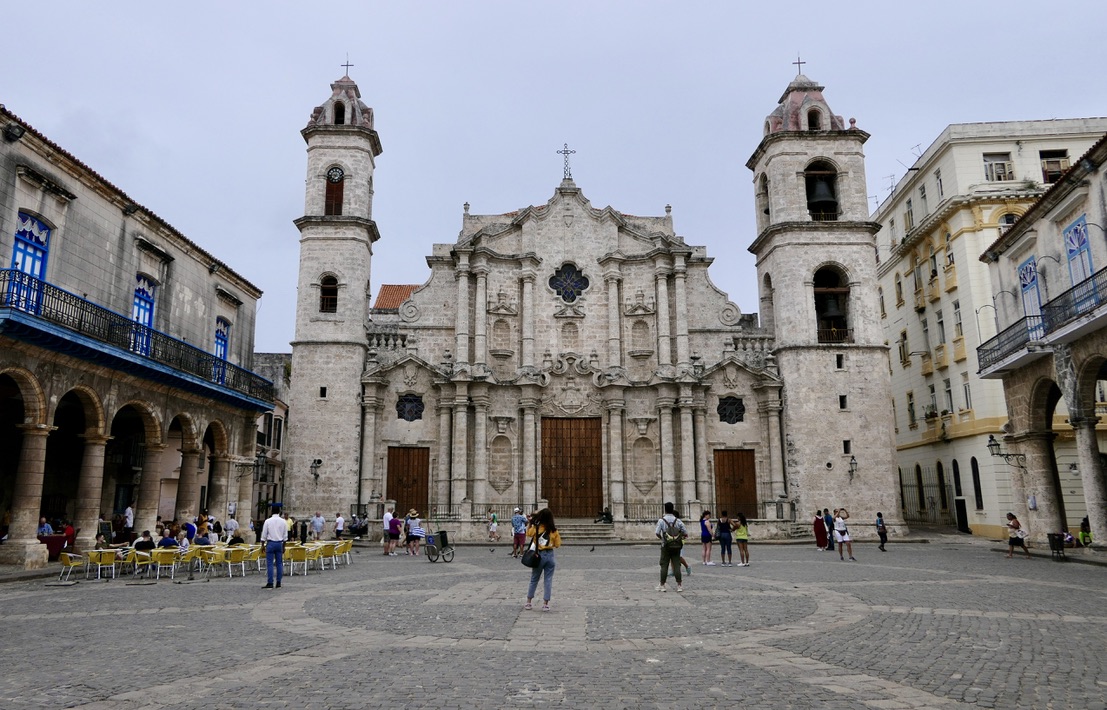
One of the many plazas in old Havana.

90CEB960-B55B-4D74-AA03-D49F4CAC5F2E_1_105_c.jpeg

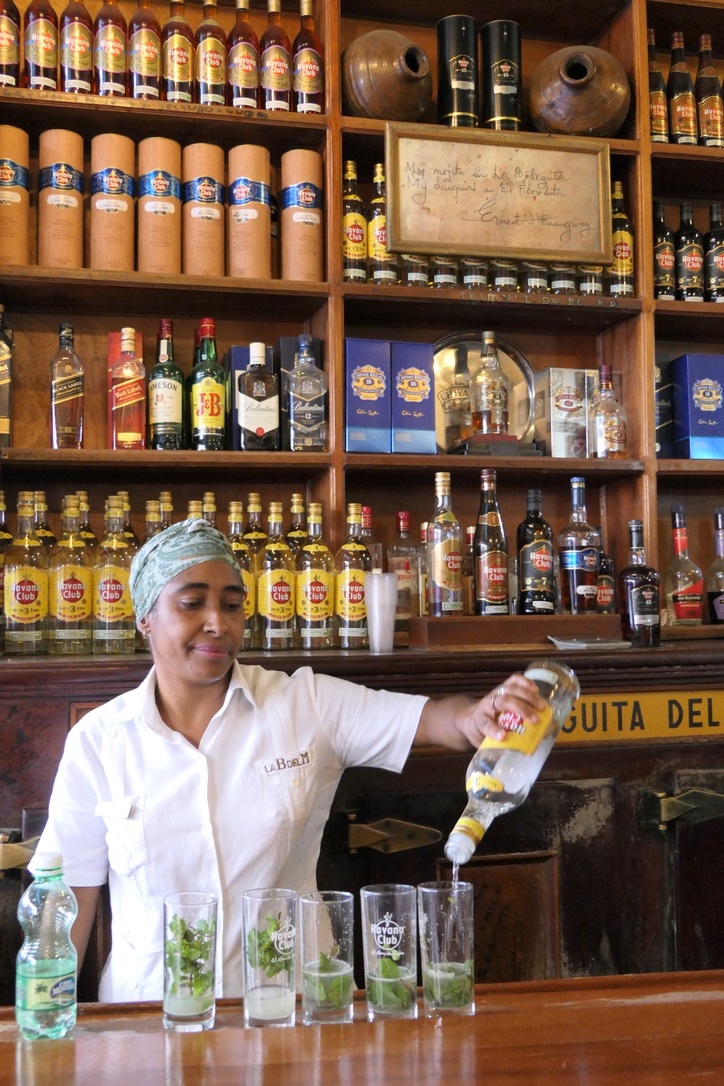
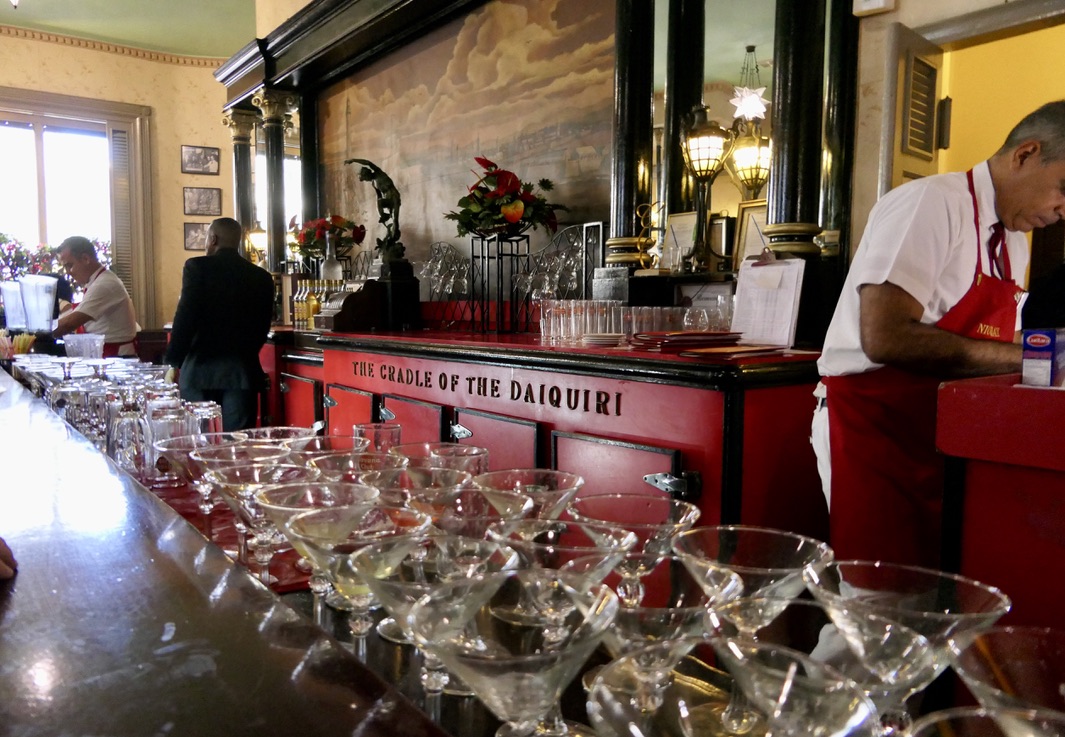
Mojitos at La Bodeguita del Medio.

There is no doubt that Havana’s old city is strikingly beautiful. It’s filled with leafy plazas ( which the locals use for accessing the country’s limited wifi hotspots), historic cathedrals, statues and cobblestoned streets. Tourists gathered at La Bodeguita Del Medio and La Floridita, bars made famous by the accounts of Hemingway holding court over mojitos and daiquiris, or in the ritzy hotel cafes and verandas overlooking the main plazas. Music filled the air, spilling out of bars and restaurants, or played by sidewalk musicians. Horse and buggies, with their tourist cargo, clip-clopped along the cobbled streets. Locals hurried along carrying a loaf of bread, or a shopping bag half-filled with vegetables. Parents with uniformed children in hand hurried on their way to or from school. With its Spanish colonial architecture, I couldn’t help but be reminded of Cartagena, Colombia.

B37BABED-DE5E-4224-B6E3-699199AD3C79_1_105_c.jpeg

Classic cars are the rule in Havana.

B8961173-2790-40D4-A5DC-5FB1C5EA17BD_1_105_c.jpeg

Serving up the original daiquiri at La Floridita.

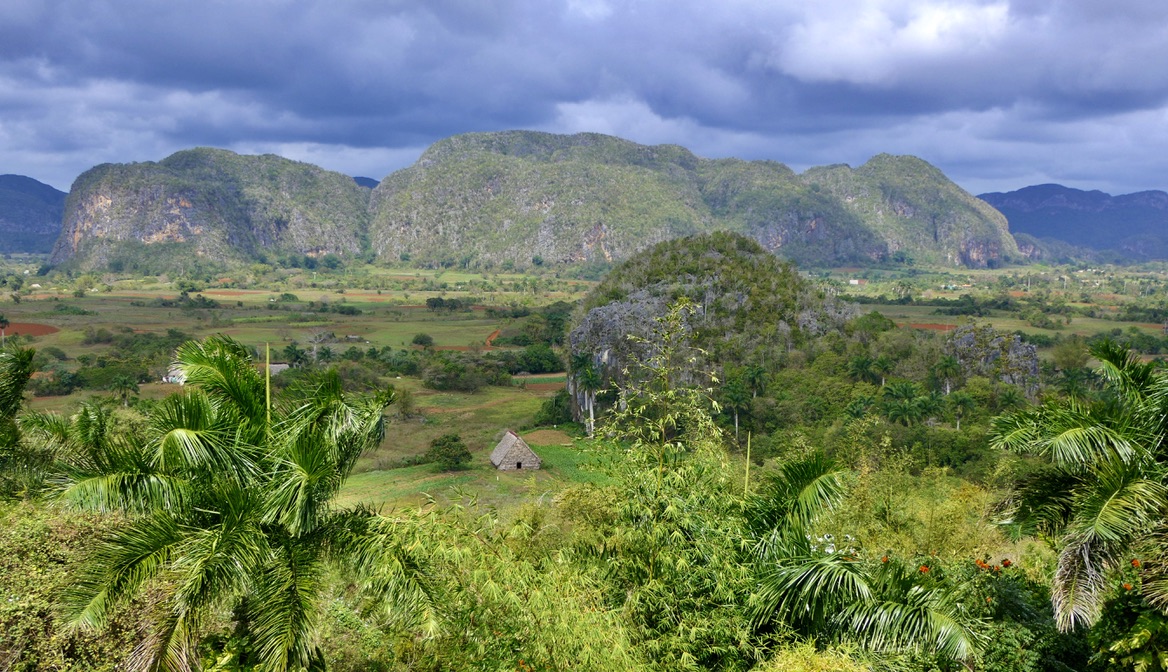
After two days in the capital we made the two hour trip west to Vinales in a ’51 Chevy. I’m not quite sure in which decade since then the suspension system had failed, but to say we had a bouncy and swaying ride along the pot-holed highway there and back would be an understatement. Mary Jane, who always carries her FitBit in order to record her days activity level, could barely contain her laughter as she reported, on our return to Havana that evening, that the bouncing ride had recorded the equivalent of over twenty thousand steps. When we arrived to the area we were greeted with a panoramic view of the limestone mountains, palm trees and tobacco fields for which the area is justly famous. At one of those fields we toured the drying house, saw plants being harvested in the field, and watched a demonstration of one of the workers rolling cigars, while we sipped rum infused with guava fruit and tasted local honey, both of which were produced on the farm. After a short tour of a cave and underwater river in one area of the limestone mountains, we were dropped off for lunch. While we were plenty hungry, we were unprepared for the feast which would be laid out before us. Plates mounded with two kinds of rice, bowls of chicken stewed in tomato sauce, steaming plates of pumpkin and yucca and platters of sliced tomatoes, cucumbers and cabbage covered every inch of our table that could seat six people, though only the three of us occupied it. Stuffed, while hardly making a dent in the mountain of food, we piled back into the car for the return trip to Havana.

FE28066E-05F3-463B-9C1B-625938578AC7_1_105_c.jpeg

The valley surrounding Vinales.

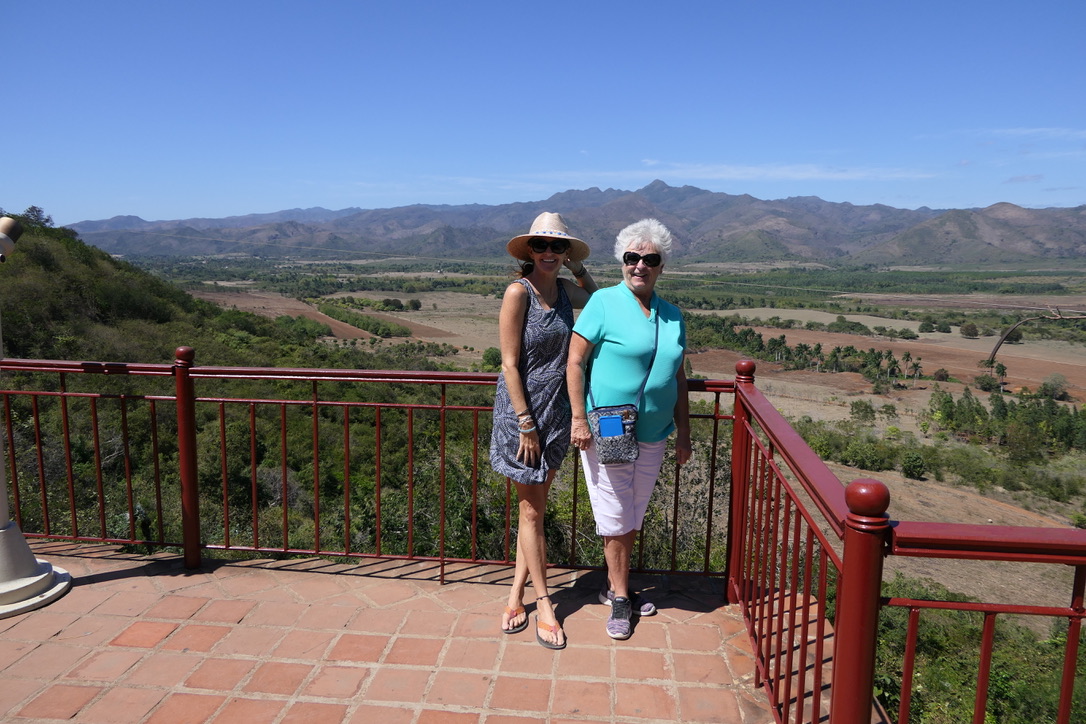
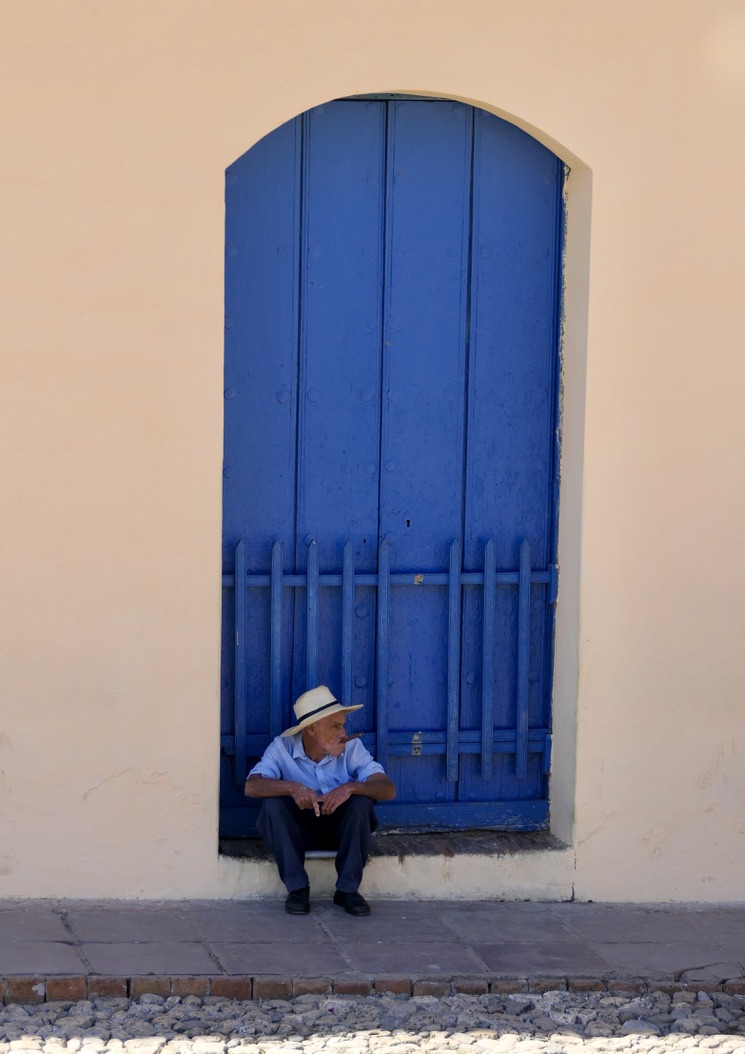
Our next stop was the small southern city of Trinidad. Our comfortable guesthouse was located just blocks from the Plaza Mayor, the main square which held several museums around its perimeter and was crowned by it’s beautiful cathedral. Music was on offer in several of the bars around town, as well as on the giant set of stairs to the side of the cathedral, which made for a perfect place to sit at one of the outdoor tables, watch the sun set over the Caribbean in the distance and listen to the band while sipping mojitos (fortunately for us there were no shortages of mint or rum). We also visited Playa Ancon, located just five miles outside town, with it’s white-sand beach, waterfront restaurants teeming with Cubanos enjoying the weekend and a couple large resorts filled with Canadian and European tourists. We ordered lunch plates of grilled fish and prawns, rice and salad, all washed down with more mojitos and ice-cold Carib beers. Another day we toured the Valle de Ingeniros, just outside of town, to view one of the islands premier sugar-producing regions. At one of the valleys former estancias, or sugar plantations, we climbed a seven-story bell tower for expansive views, Mary Jane bargained for a beautiful embroidered table runner and we had lunch on the veranda of the former plantation house. Back in town that afternoon we wandered through the outdoor market stalls where some of the vendors asked if we could spare any extra soap or clothes for their families.
4EE99761-214D-40D7-A52A-60FB39086ED4_1_105_c.jpeg

Taking it easy in Trinidad.

4C3EBA38-84C5-4F78-BE5C-812C9C4B8F86_1_105_c.jpeg

Overlook at the Valle de Ingeniros.

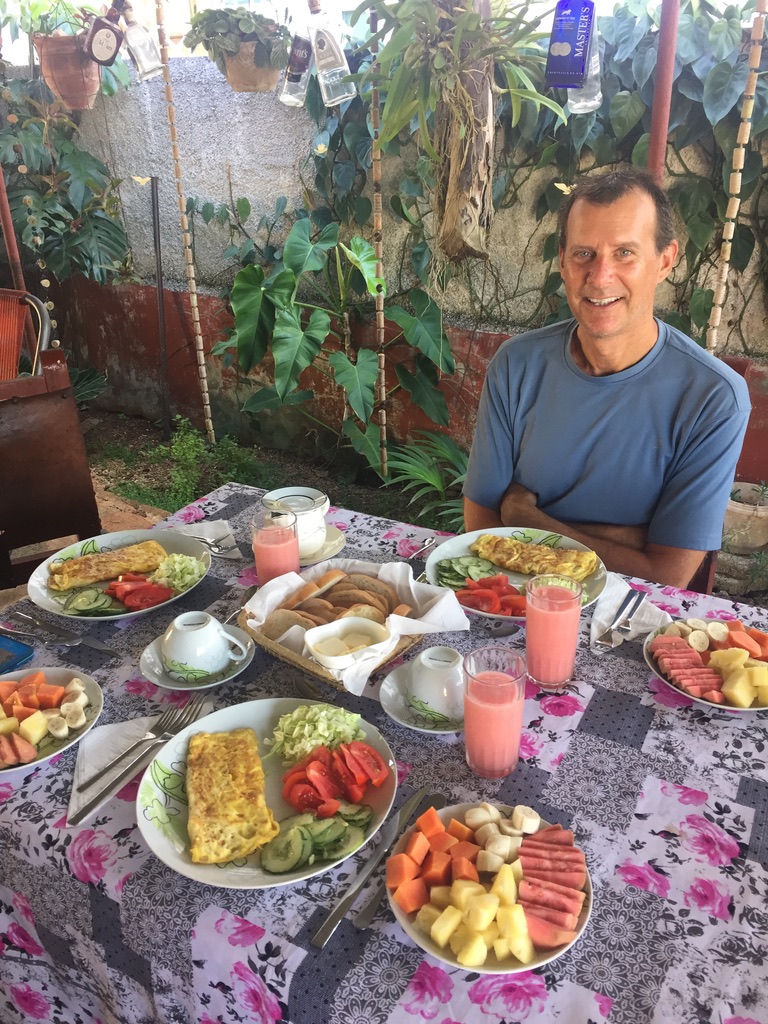
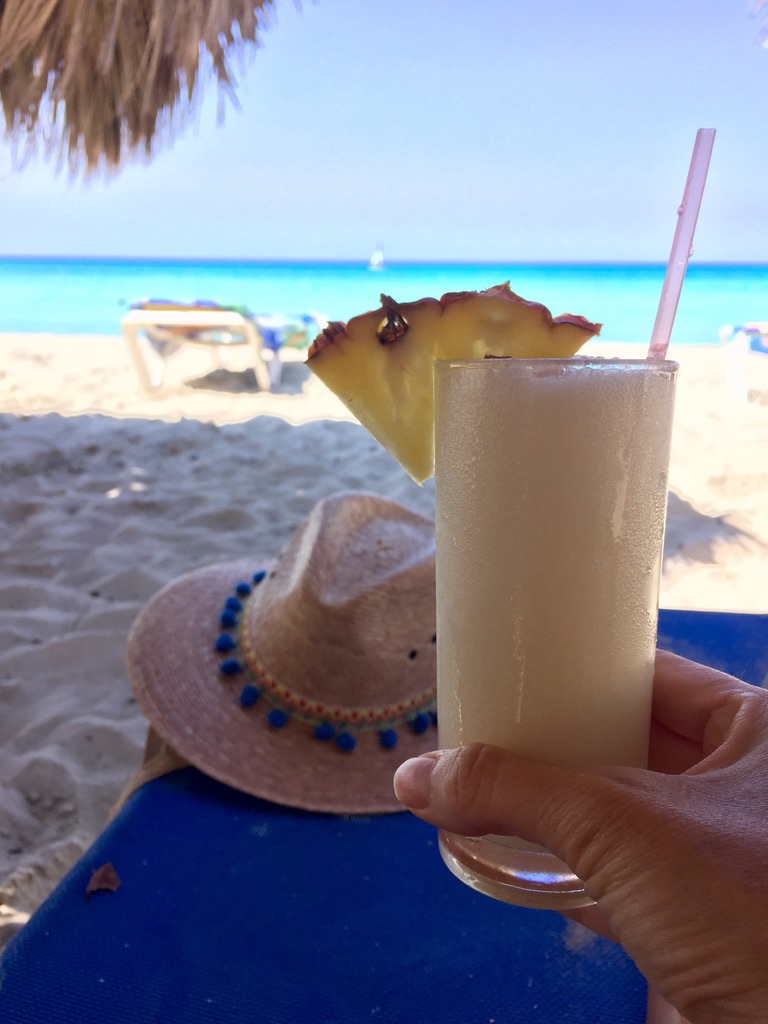
Our final stop would be Matanzas, the country’s second largest city, located on the northern coast. The appeal of the city was its proximity to the stunning beach of Varadero, whose blindingly white sands stretched for nearly twelve miles and were lapped by some of the clearest blue water we’ve ever seen. Grabbing lounge chairs under a thatched palapa, we spent the afternoon swimming, enjoying a grilled fish lunch and sipping pina coladas and beer. The girls opted for massages at a tent just back from the beach, shaded in the sea grape trees. Our two nights in Matanzas were at the home of Ana and Antonio, perhaps the sweetest guesthouse hosts we’ve encountered anywhere. On our first night they prepared a sumptuous spread for dinner – vegetable noodle soup, toasted baguette slices, roast chicken, rice and salad, followed by cake and ice cream. In the mornings we were offered Antonio’s omelettes, heaping plates of fresh fruits (including fresh guava picked from their backyard tree), salad and toast. Over the meals we learned their story as they related how they had quit their jobs (as an engineer and a doctor) to stay home in order to care for Ana’s mother, who suffered from dementia. They had started their casa particulare in order to pay their bills. Antonio pointed out the condiments on the breakfast table that he had acquired on the black market, as they weren’t available in the state-run stores. The black market, he explained, was supplied from the workers at hotels and resorts, who had to steal goods from their employers to supplement their meager wages. He also lamented the fact that simple products, like soap, were unattainable at times. Our Matanzas guide, David, a university student, related stories of his friends, that had the means and the money, who had left the country for opportunities in the US or Europe. We also heard from a waiter in Trinidad who complained that he had to salvage parts from boat engines in order to keep his Harley-Davidson running due to the lack of spare parts as a result of the American embargo. On our last day, Mary Jane presented our Havana host, Yai, with a bag of Vitamin C lozenges, Tylenol and Ibuprofen. She was overjoyed to receive such a gracious gift of much sought after medicines (even these products are only available by prescription in Cuba).
C7275BB9-4841-427E-B07B-1AF4D6708573_1_105_c.jpeg

Breakfast, compliments of Ana and Antonio.

E1F4B7AE-6CDC-43D4-9EB5-53F2AFD2A3D4_1_105_c.jpeg

Pina Colada, white sand, blue water – Playa Varadero.

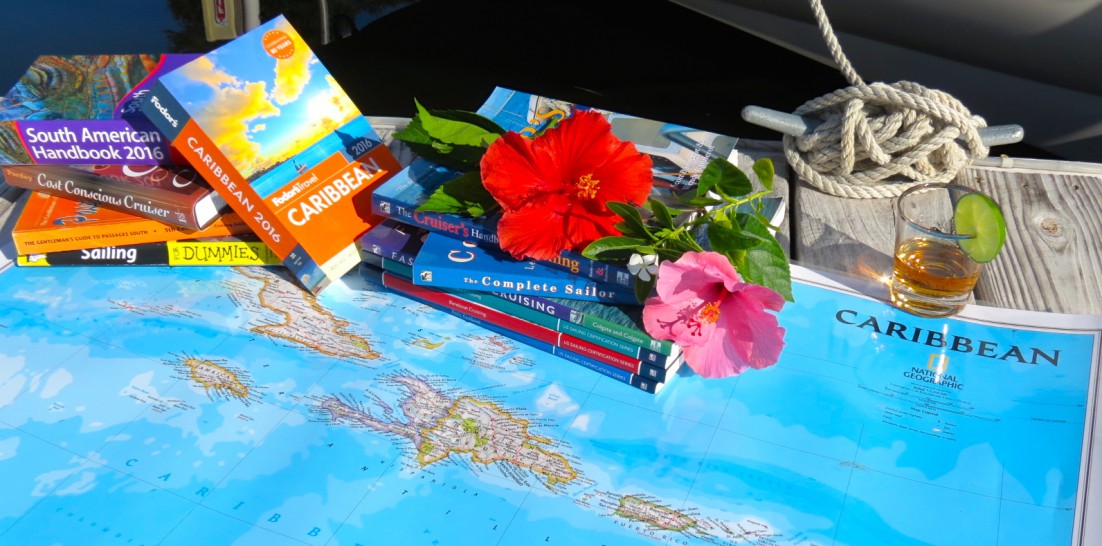
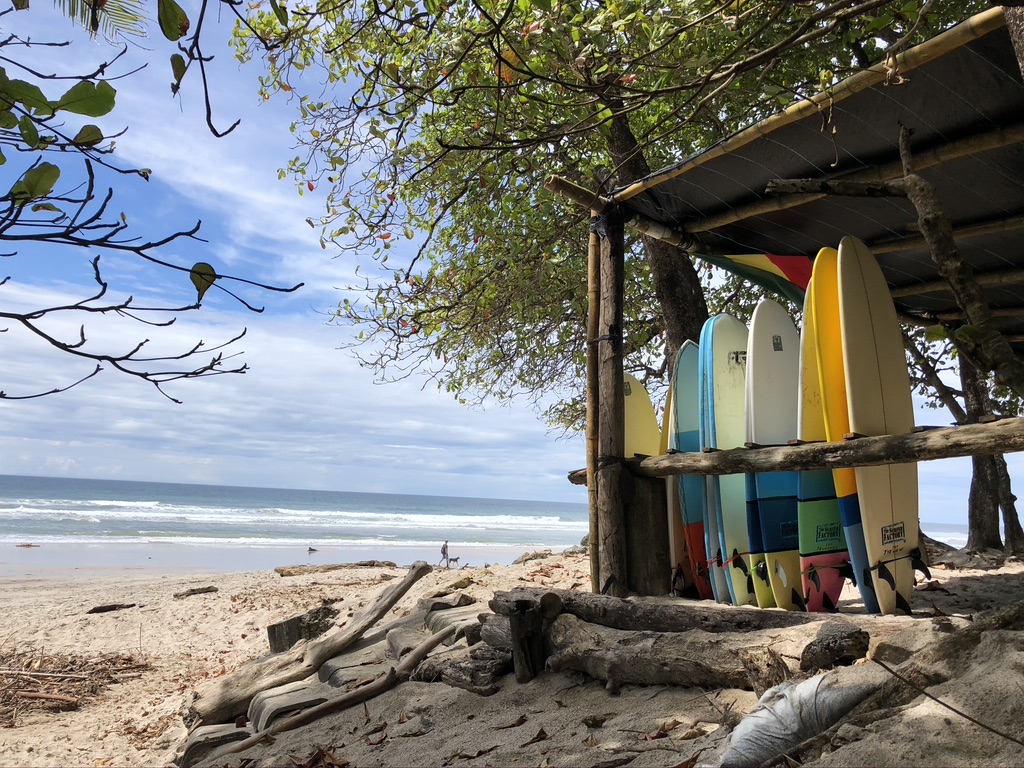
On our way to the airport (in a ’55 Chevy Bel-Air), we reflected on how Cuba had changed us in a way that visits to other countries hadn’t. What few preconceived notions we carried into the land had evaporated. We would not find any anti-American sentiment from the people we encountered. Rather, we were warmly embraced (and one time, quite literally embraced by a resident of Trinidad who rushed out of his modest home upon hearing we were Americans and hugged us, each one in turn, while crying out “Welcome, welcome, welcome!”, followed by the obligatory plea for soap) by folks who astutely realized that policies, even those that oppressed them, were created by governments and not by the people under them. When one is experiencing empty store shelves, empty gas tanks and even empty bellies, one doesn’t particularly care about politics. The land here is beautiful and the beaches are stunning. Home-cooked Cuban food as we experienced it at our casa particulares was outstanding. So, do yourself a huge favor and make the short hop across the Florida Straits to visit our neighbor. And bring some extra soap.
13CDA7BD-0A5A-48BC-A0F5-EB609644CFB5_1_105_c.jpeg

Beinvenidos a Cuba!


Leave a comment

Road Trip – El Salvador

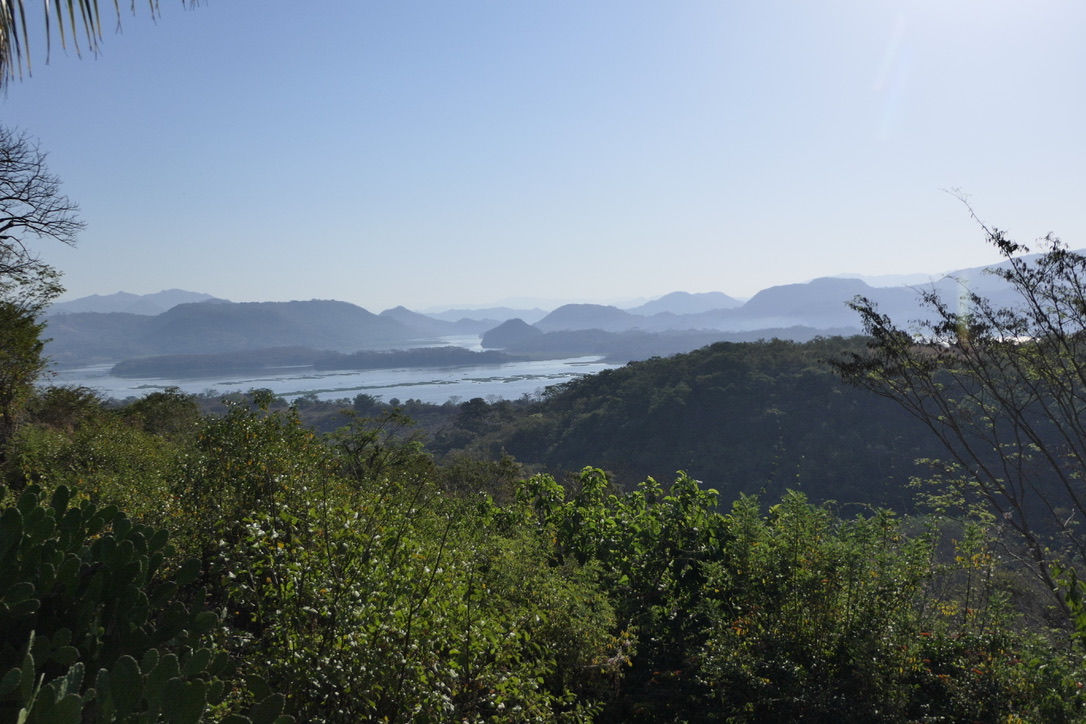
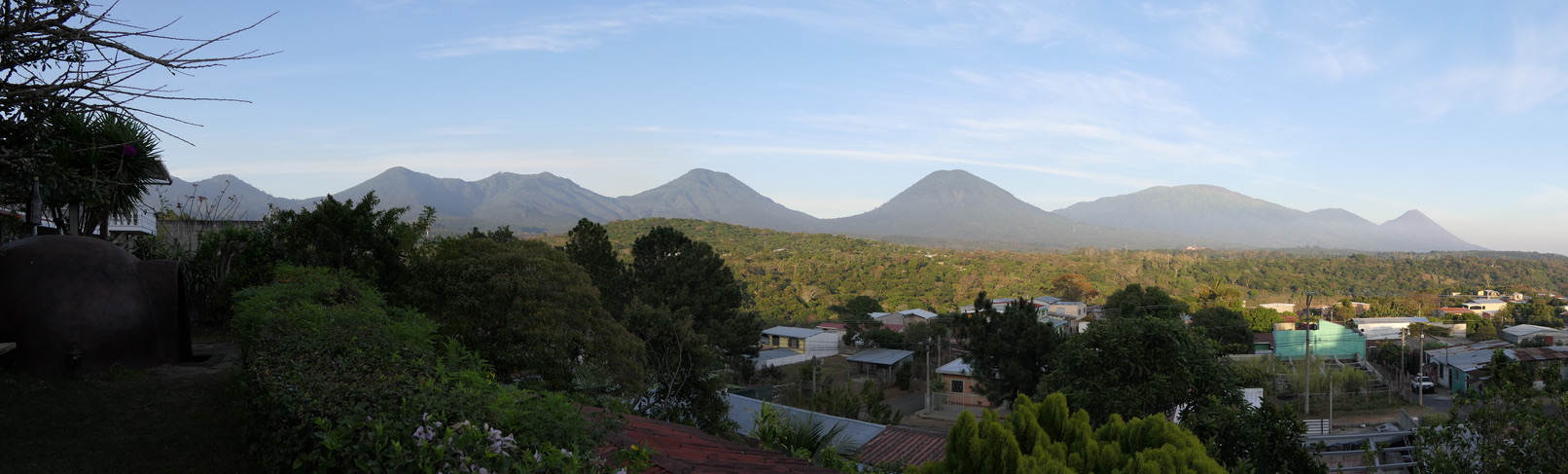
‘You’re kidding’ I thought. Our sixteen-year-old guide had suggested we climb up La Escalera Cascada, the Staircase Waterfall, to continue our hike along the Seven Waterfalls Trail. ‘Heather, please say no ‘ I willed her to answer. This was her idea after all. I had been content sitting at our guesthouse in Juayua, sipping Pilseners, the El Salvadoran beer, and admiring the view of the volcanoes and other mountain peaks that were visible from the grassy terrace behind our accommodation. Instead, we had spent the last two hours, in the searing heat, descending a narrow goat track that passed for a hiking trail, then waded upstream past the first two waterfalls to reach this point. We hadn’t intended on getting to all seven of the falls, as that would have taken half the day, and we had only allotted a couple hours for the hike. “No” she said, to my great relief, “this is probably a good point to turn back.” So we reversed course and climbed back out of the narrow valley to the dirt road that would take us back to town. We don’t typically hire a guide for hikes, but we had been cautioned that other travelers had been robbed, at machete point, along this very trail, and our guide would provide a measure of protection, as well as lead us along the path. Such is travel in El Salvador, the country that spawned the notorious gang MS-13 and had a reputation for violence that seems to have deterred many travelers.

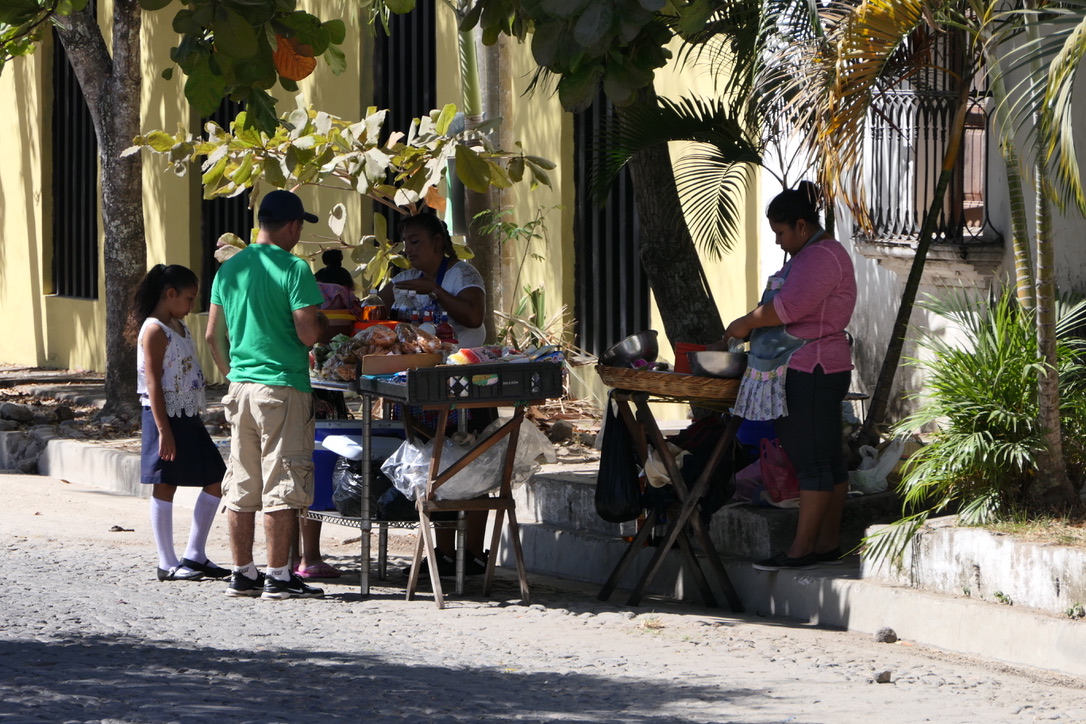
We started our visit in Suchitoto, a small colonial town overlooking Lago Suchitlan. Heather had Google-mapped the route, with the most important factor being our desire to bypass the gang-infested capital city, San Salvador. Just before sunset we cruised into town, rattling over the cobblestone streets, squeezing our way through the narrow lanes to our guesthouse at the end of one side street just a few blocks off the main square. The Mayan Grouper guesthouse has no sign – really no indication whatsoever that the place offered lodging. We sat in the car wondering if Google Maps had led us astray when a face peeked out of the man door in the massive wooden gate. The woman who owned the guesthouse beamed when Heather answered to her name and the gates swung open to reveal a beautiful hacienda surrounding a garden with stunning views to the surrounding hills and Lago Suchitlan in the valley below. We were warmly welcomed, the car was parked and we were shown to our room – an inviting space in a large traditional wood and stucco room with just the right amount of modern touches. After settling in and with assurances that town was safe to walk around, even after dark, we strolled into town, did a lap of the main square to take in the weekend activity of vendors and locals out for the evening, found a nice meal and returned to our extremely comfortable beds soon after. In the morning we sat in the garden enjoying the view before we were served our tipico breakfast of eggs, refried black beans, cheese, fried plantains and rolls. Pleasantly stuffed, it was time to walk through town once more before checking out, then driving the short distance to the nearby lake for a quick stroll along the shore before heading west to our next destination. Suchitoto was a real charmer – we left wishing we could have stayed longer to enjoy its small town charms and generous hospitality.
99A0BB7F-3CBD-469E-8818-3D7DBA7D02EA_1_105_c.jpeg

The view from the Mayan Grouper guesthouse.

663B2972-5A8F-4BD2-8A03-75FC90AF7586_1_105_c.jpeg

Street scene in Suchitoto.

2E8ECCFB-9B26-4E51-9E32-15B259E3A563_1_105_c.jpeg

Ladies offering pupusas, stuffed corn dough snacks – found all over El Salvador.

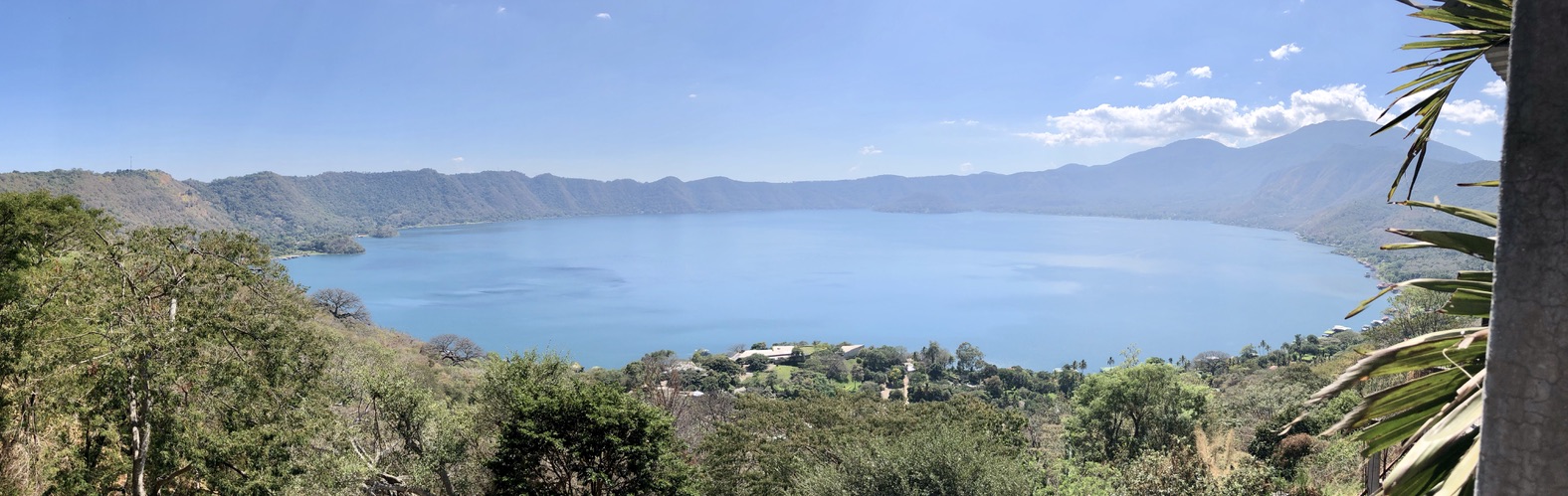
After a lunch stop at Lago Coatepeque, a volcanic lake surrounded by second homes of San Salvador’s well-heeled residents, we continued on to Santa Ana, the country’s second largest city. Despite the glowing reports of bloggers describing Santa Ana’s attractions, we weren’t that impressed. At least by the city. Our accommodation was, however, delightful. We had a private room in a hostel located just two blocks off of the main plaza. The hostel occupied an old posada, with the rooms off an open-air tiled courtyard, boasting fifteen foot ceilings and a collection of antiques giving one a sense of the privileged life of Salvadorian elites. We ventured out into the plaza, saw the grand cathedral, the national theater building, the mass of vendors surrounding the square and decided we had seen the highlights of Santa Ana and it was time for a beer. Grabbing a table at a second floor restaurant, we were able to enjoy the views of the plaza, the cathedral and the accompanying flock of pigeons (every cathedral has its flock of pigeons) while sipping a couple cold brews. In the morning we grabbed coffee and some pastries from a nearby bakery, ate our breakfast in the hostel’s courtyard and made our way out of town headed to the hills and our guesthouse in Juayua.

DE2E5A97-29E7-491F-86DF-247BB88BB689_1_105_c.jpeg

Lunch stop above Lago Coatepeque.

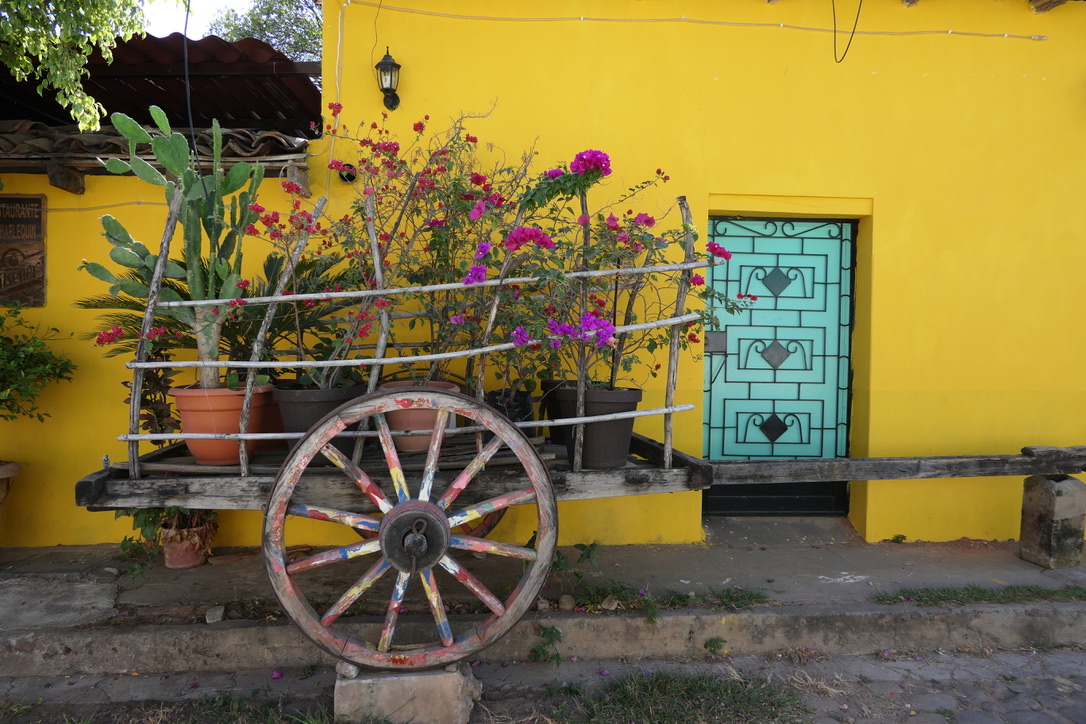
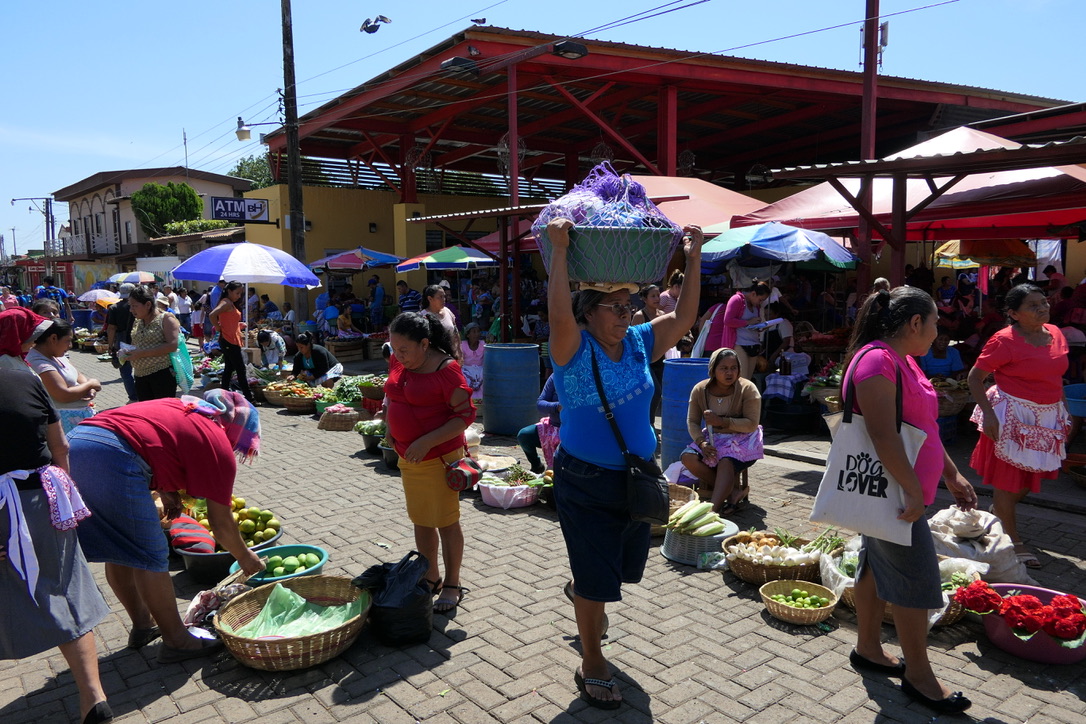
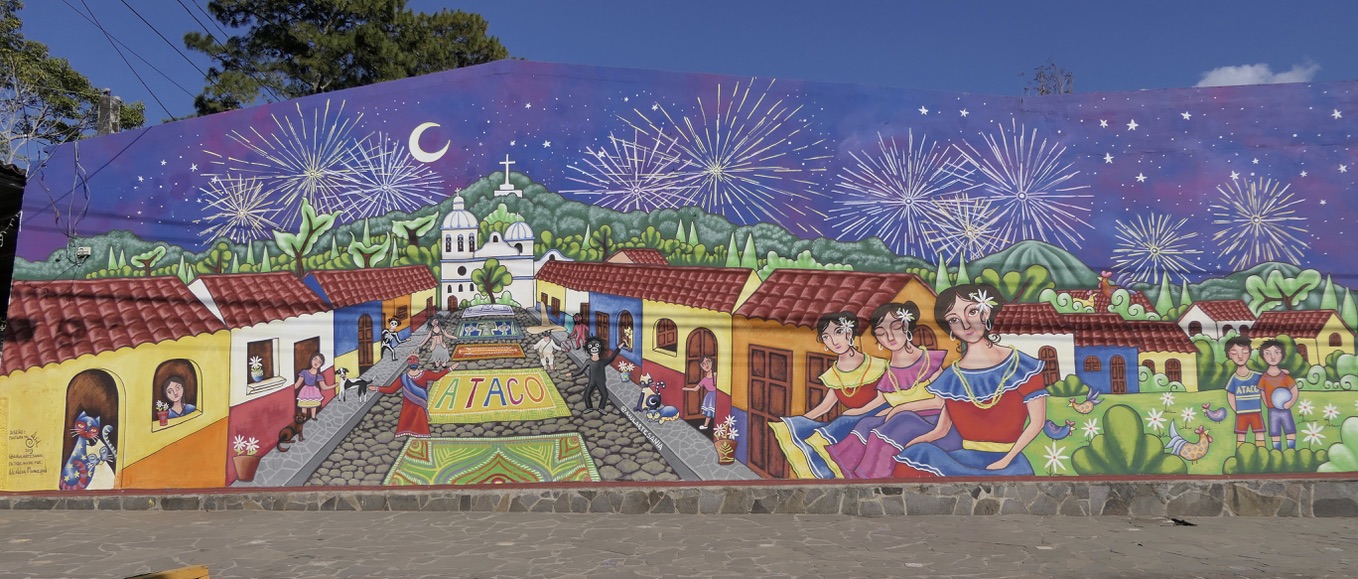
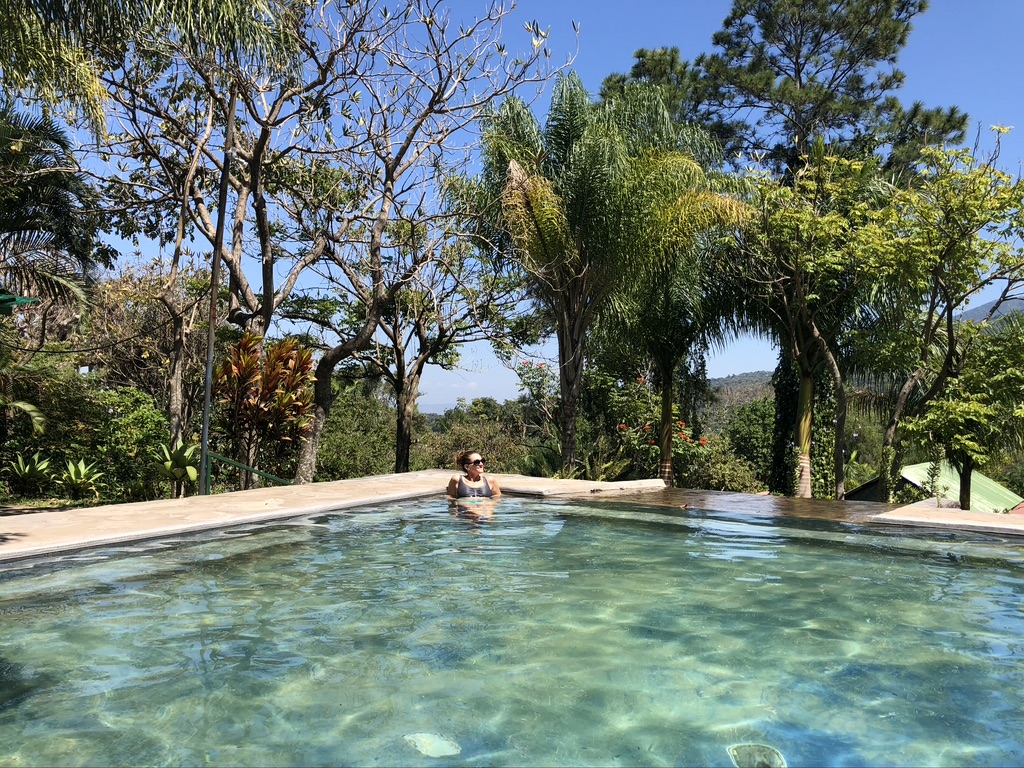
Las Rutas de las Flores (The Route of the Flowers) was the destination for the next two days. One of El Salvador’s most visited areas, the ruta runs about twenty miles from the town of Ahuacacan to Sonsonote in the western part of the country. Following the rainy season (which ends in October) the area is in full bloom and the small towns that line the ruta are ripe for strolling cobbled streets, admiring the work of the local artesanias (artisans), viewing the murals for which the villages are famous for, and enjoying tipico cuisine. We checked into the Hotel Juayua (Wah-who-ah) on the outskirts of  town. We filled the afternoon by exploring town and the plaza before returning to the hotel to plan our drive along the ruta the following day. After breakfast we drove to the southern end of the ruta, visiting the market town of Nahuizalco, admiring the wooden furnishings displayed at the roadside shops (the town is specifically known for its furniture making), strolling through the fresh market set up on it’s main street and ducking into a couple other shops to check out the indigo-dyed clothing, which Heather found irresistible. Next stop would be the Alicante Termales, one of two hot springs in the area. Not believing our luck, we pulled into an empty parking lot, paid our $5 entry fee, and spent close to two hours moving from one pool to the next – ten in all of different sizes and temperatures. From the pools we had views of both the mountains lining the ruta on one side and the valley on the other, framed by luscious foliage, palms, banana trees and flowering vines. Following our relaxing soak, we reinvigorated ourselves under a cold shower and hit the road again, headed to Concepcion de Ataco, our planned lunch stop. After feasting on roasted chicken, rice, salad, tortillas and fresh pineapple juice, we hit the cobbles to walk around town and see more murals that adorned the sides of almost every building in the center before returning to our hotel in Juayua. As elsewhere in the country, we were always warmly greeted with a buen dia or hola or buenas tardes from each passing local. It was the next day that we found ourselves tromping through the stream of the 7 Waterfalls hike, which did at least offer some relief from the scorching heat of the sun.

8A24BC0A-D7E1-418E-891F-F6475685FE9B_1_105_c.jpeg

Volcano views from Juayua.

65196C6D-CF8A-4A47-A51C-2811BDE427EF_1_105_c.jpeg

Market day in Nahuizalco.

D56B9F9C-260E-452F-A45F-309C3B99818A_1_105_c.jpeg

A mural in Concepcion de Ataco.

74034AFD-09FF-4C8C-B9EA-2AF96AB9734E_1_105_c.jpeg

Heather enjoying a soaking – Alicante Termales.

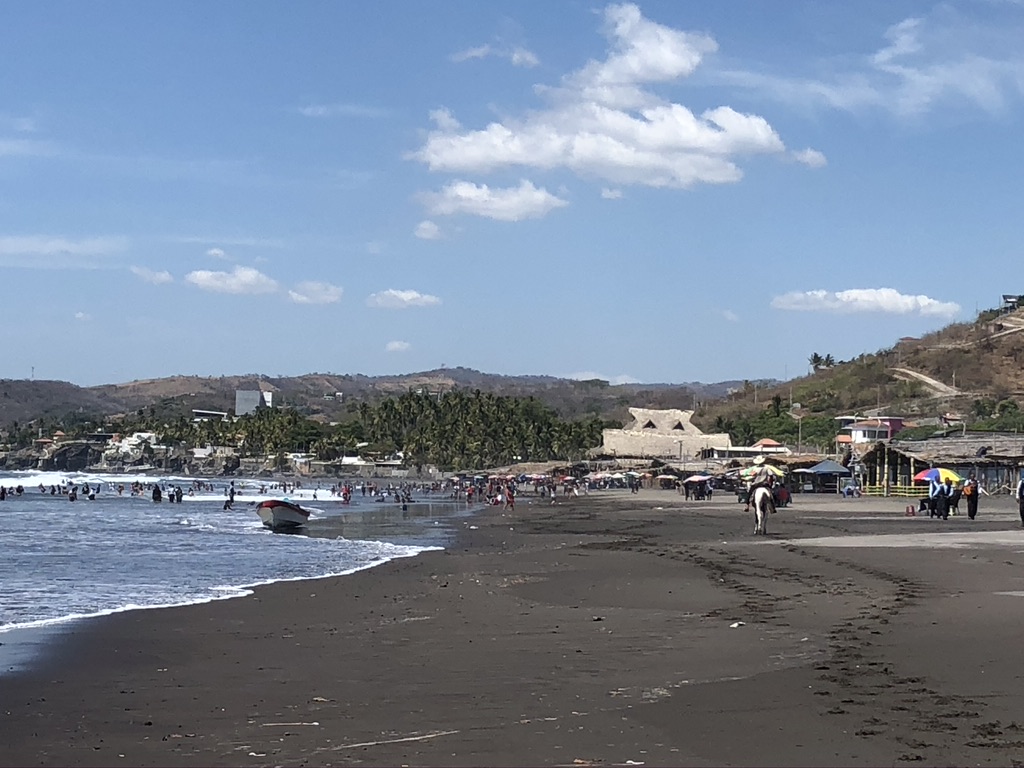
Our last stop in El Salvador would be the beaches of La Libertad, which stretch across approximately twelve miles of the Pacific coast, with the real action (both in the surf and on land) centered around El Tunco, roughly in the middle of the strip. We elected to stay just east of El Tunco, on the beach at Playa San Blas. This proved to be a blessing, even though we wouldn’t be amongst the crowds of international backpackers sporting man-buns and the latest surfer fashions, have access to all the hip cafes for organic vegan menu options, or struggle through the narrow streets of town which were undergoing a full reconstruction, dodging heavy construction equipment, jackhammers and clouds of dust. Instead we were happy to be the only gringos on our beach, walking the long, wide, black sands in the morning (as opposed to El Tunco’s rocky shore) then watching as the Salvadorian families came out to play, vendors set up their carts selling ceviche or shaved ice from under colorful umbrellas, local fisherman beach their boats after the morning run and even the occasional cowboy on horseback made a trip along the shore. Couldn’t have ended our week any better.

6679F69C-D504-4C57-8C06-795573EDEBA5_1_105_c.jpeg

Yeah, a good time to turn around – rather than up! Seven Waterfalls hike.

7E893B28-1794-416D-A481-3FBCCADD8368_1_105_c.jpeg

Playa San Blas – fun, fishing boats and a cowboy.


Leave a comment

Last Stop – Dominical

Twelve days of house and dog-sitting had left us refreshed, relaxed and with a pack full of clean, machine-washed clothes. We bid goodbye to Chile and Spot – they seemed unimpressed by our leaving – loaded our gear into the dreaded panel van and pointed it south. We had a loose plan to visit a couple beach towns on the southern Pacific coast as well as the crown jewel in Costa Rica’s national park system – Manuel Antonio. Back in the fall, as we were planning our Central America journey, a visit to this park was one of the first things we added to the Costa Rica itinerary. It’s known for stunning beaches, wildlife-spotting walks along its forest trails and being the most-visited national park in the country. We thought we’d start by spending a couple days in Dominical – a laid-back, hippieish surf town, then move a bit further south to Uvita for snorkeling at Isla Cano, then finish with three or four days at Manuel Antonio. Thankfully, our plan fell apart almost immediately. Rolling into Dominical along one of its dusty, potholed roads, seeing its beautiful stretch of palm tree-backed black sand beach (which many reviewers dissed as unattractive for some reason) and finding our accommodation, which offered a decent, if not fairly basic room, but in a fantastic garden setting only steps from the ocean, we were instantly enchanted by this little gem. After getting settled in our room we headed out for a better view of the beach and then strolled into ‘town’ to find a watering hole that would slake our thirst and offer a sunset view. Tortilla Flats fit the bill perfectly. The friendly staff served up ice cold beer, the largest wine pour we may have ever seen, opened a tab to allow us to take our drinks out to the beach for sunset viewing, and, upon returning offered us complimentary shots. I mean, is this place heaven on earth or what! Turns out that’s how you win our business for the length of our stay. Which ended up stretching from a couple days to four and then to six. Uvita for snorkeling? Turns out you can do that as a day trip. Manuel Antonio National Park? Better as a day trip due to the traffic-clogged, narrow, twisting access road and massive crowds. Suffice it to say – Dominical just made the list of favorite places. Don’t get me wrong – it’s not just the cold beer and generous wine pour. This place is the poster child for ‘laid-back’ beach towns. Everyone, and I mean everyone, in town comes out for sunset. There are great cafes serving up amazing breakfasts (Mono Congo and Cafe Ensuenos). There are cool smoothie stalls blending up mouth-watering combinations of fresh tropical fruits. First-rate taco joints – check (Del Mar Taco Shop). Local fare at low prices – got those too (Rincon de Domi). An abundance of yoga classes and studios – duh, of course. Oh, and a craft beer brewery if you ever get tired of the Imperial.

EFFA48E3-F0D4-4F61-AF53-666536E43985_1_105_c

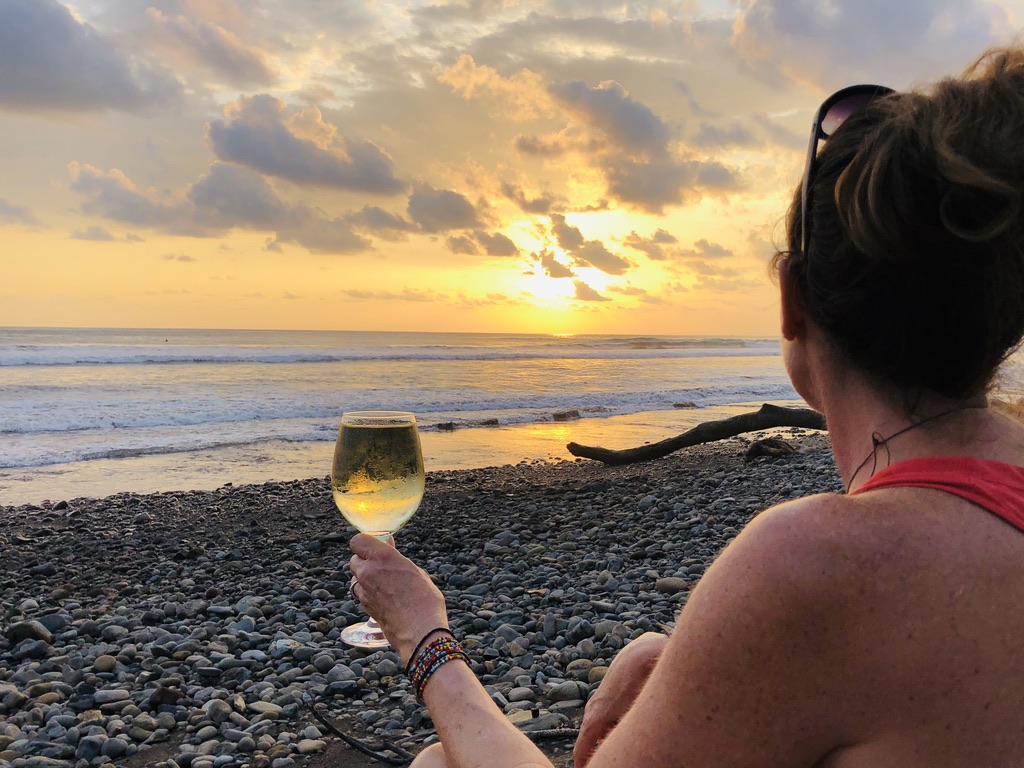
Dominical turns out for sunset.

E57C52BD-4908-4C8E-8BFB-1498732815AB_1_105_c

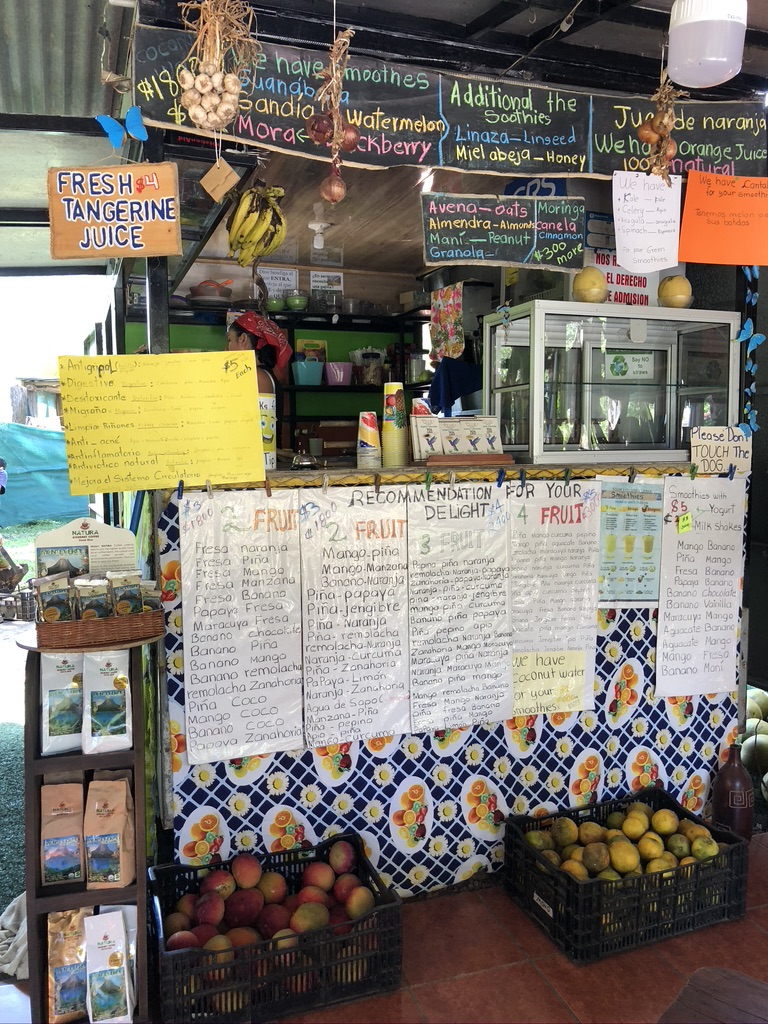
A favorite smoothie stand.

79592718-A230-45C7-A269-CC1662A1DA32_1_105_c

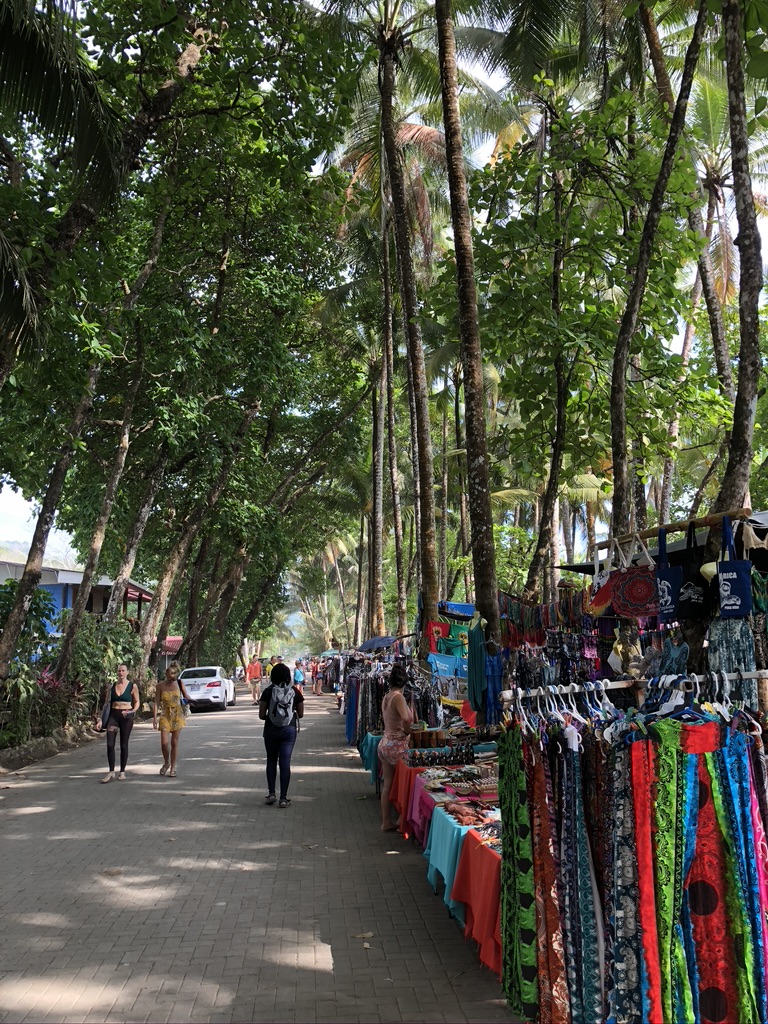
The marketplace in town, just off the beach.

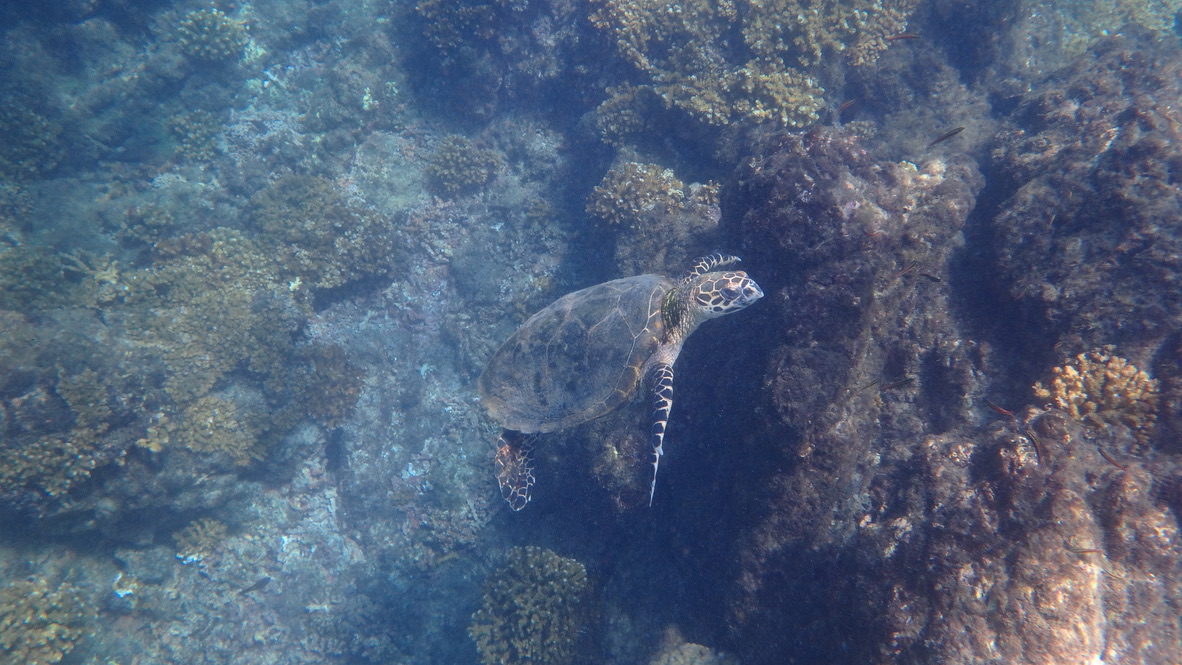
We made the trip down to Uvita in about twenty minutes one morning to meet the gang at Costa Rica Dive and Surf, who would be taking us and a group of sixteen other folks out to Isla Cano’s marine reserve for a snorkeling tour. To say these guys run a professional outfit is an understatement. From check-in to the moment we left the shop at the end of the day everyone was courteous, friendly, helpful, knowledgeable and, most importantly, proud and protective of their little corner of paradise. They stressed the importance of being respectful to the sea and the reef – touching nothing, taking nothing and leaving nothing behind. We made two stops for snorkeling with a beach break in between. While the reef wasn’t the most colorful (we are a little spoiled after Indonesia), there were certainly ample amounts of fish, including white-tip reef sharks, olive ridley and hawksbill turtles and a snowflake eel. Following our snorkeling, we feasted on a tasty lunch of veggie rice, salad and tortilla chips, washed down with ginger lemonade, before returning to the mainland and the drive home. All in all, a great day on, and in, the water.

25FEA8F8-5BEE-4202-9058-385CFAE982B9_1_105_c.jpeg

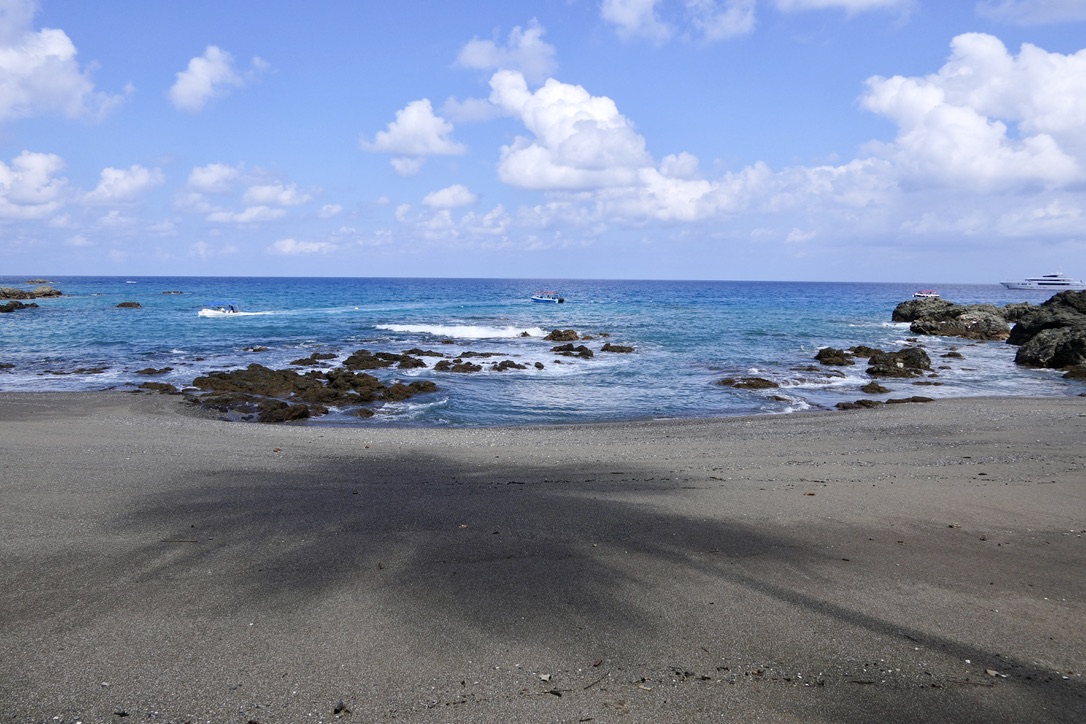
From the beach on Isla Cano.

OLYMPUS DIGITAL CAMERA

A friendly local off Isla Cano.

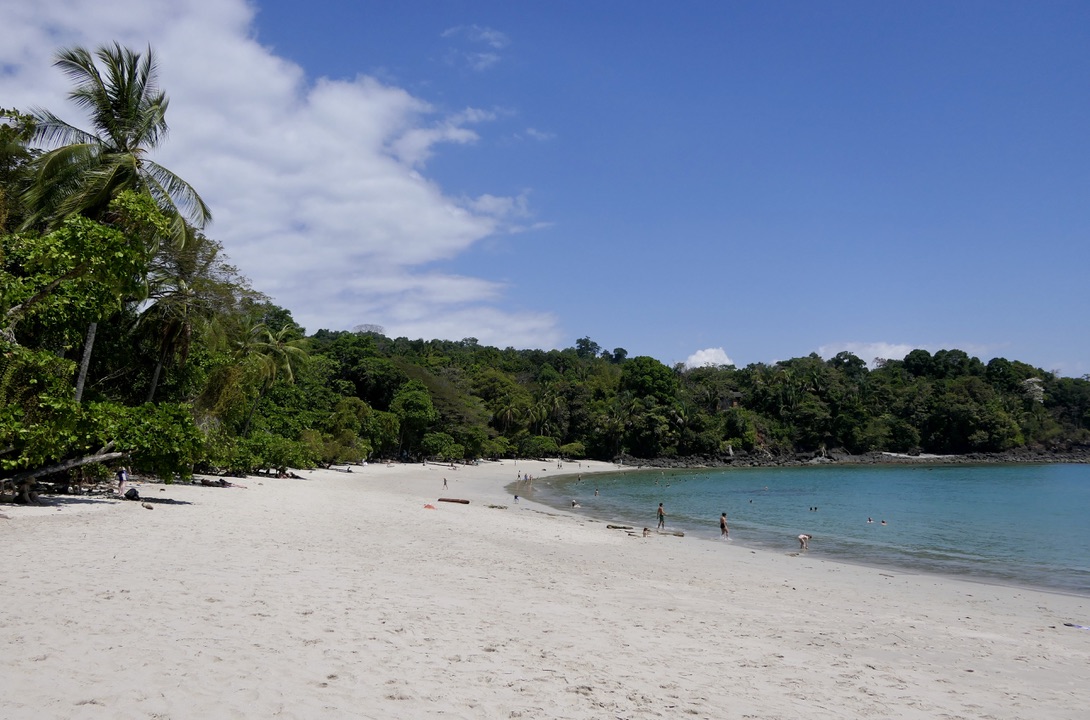
On our next to last day we made the thirty minute drive north to Manuel Antonio, which had been described to us as a bit like Disneyland, according to some other guests in Dominical. Great. Driving the panel van along the narrow, twisty road to the park’s entrance, touts would step into the road to get drivers to pull into their paid parking lots, while guides would solicit their services through our open windows. We got through the gauntlet, parked, and made our way to the ticket office, where we waited in line to purchase our entrance passes. Passing through the gates we immediately ran headlong into large tour groups stopped on the trail, surrounding their guide, who had set up a spotting scope in order to show the group some small insect. Along with families with loud, screeching kids we knew that seeing any wildlife in this park would be a remote possibility. Walking in the 90+ degree heat with high humidity had our shirts plastered to our bodies in no time. Finally breaking free of the main crowds we settled into a nice walk, taking in some views of the ocean, catching glimpses of howler monkeys and an occasional sloth. Following the large loop trail we eventually reached Manuel Antonio beach and what seemed to be, for most park patrons, the sole reason for their visit. One can’t dispute that this beach, and neighboring Espadilla Sur beach, are beautiful. Their brown sands stretch between rocky headlands with small offshore islets and clear blue waters lapping at the shore. The palms and sea grapes that back the beaches are patrolled by white-faced capuchin monkeys ready to snatch an unguarded bag or picnic lunch. The water was a welcome relief from the unrelenting heat and we were able to find a shady patch of sand for a rest and a few, guarded, bites of our leftover breakfast burritos. Refreshed, we swapped our sneakers for flip-flops and strolled the last stretch of trail to the park entrance and back to the van. While Manuel Antonio wasn’t our favorite park we visited in Costa Rica – due to the crowds, noise, chaotic entry area and lack of wildlife compared to other parks, it does offer some nice walking, a chance, however slight, of seeing animals, and the reward of a swim at a beautiful beach is certainly nice. Contemplating finding a stop along the winding, traffic-choked road for a smoothie, we opted instead to head straight back to Dominical for a fabulous smoothie from our favorite stall, some hammock time in our hotel’s garden and eventually sunset at the beach.

27362BB6-E470-4BEF-8E9D-E1ACC3985BE2_1_105_c.jpeg

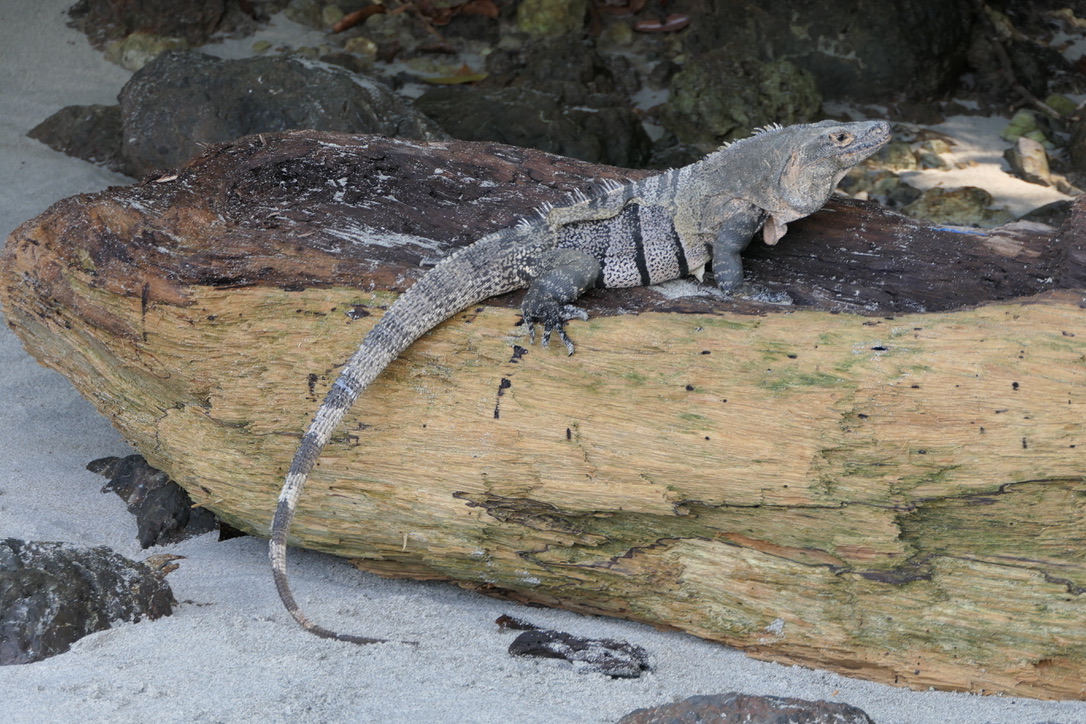
Iguana in Manuel Antonio NP.

D7EC427B-F5E8-4F18-929E-8B213A9FB9EC_1_105_c.jpeg

White-faced Capuchin monkeys at the beach.

F740A4A6-72E8-4C08-A958-E7212044AF5E_1_105_c.jpeg

Playa Manuel Antonio.

After five weeks we regrettably leave Costa Rica. After one night back in San Jose we’ll catch a flight to San Salvador to start our one week El Salvador road trip – which you’ll hear about in our next post.

807AF6C5-A3E9-470E-A818-6E7F9B82C4A5_1_105_c

We don’t believe in the ‘is the glass half full or half empty’ philosophy. Why not fill it to the rim?


1 Comment

Taking A Break On The Pacific Coast


C33530EC-161A-4CC1-88E7-7F9B3D0F6F31_1_105_c.jpeg

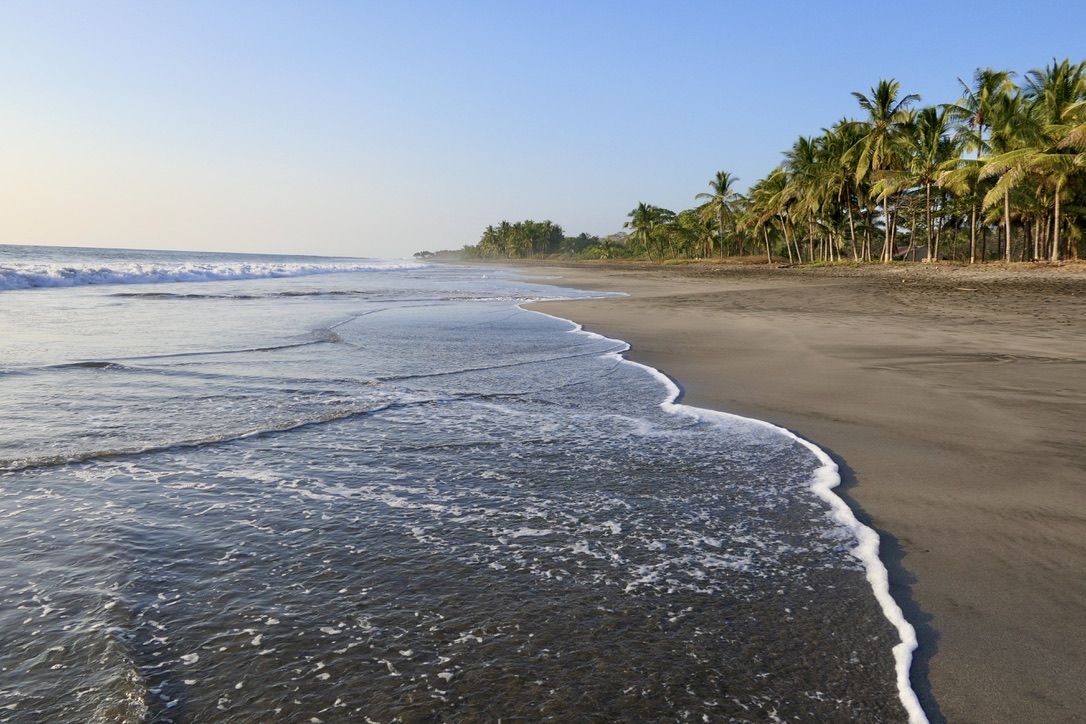
A Playa Junquillal sunset.

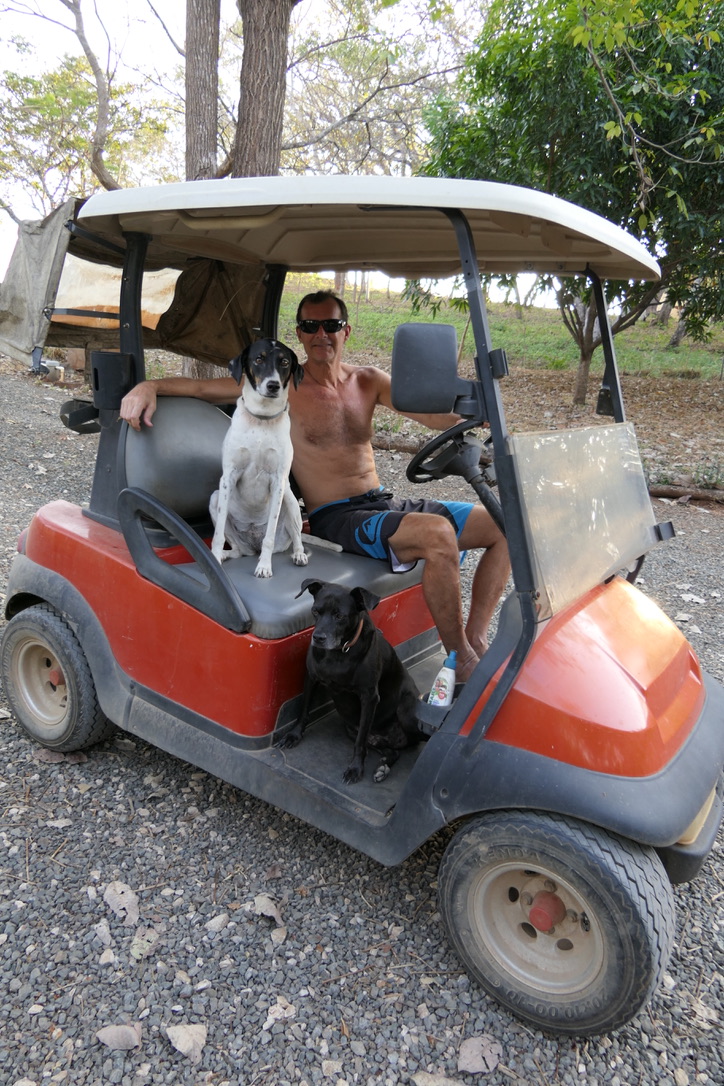
“Let me get this straight” I said to Heather. I wanted to be sure what we were getting into when we were accepted for our first international housesitting gig, which we had applied for through our membership in an online community that matches homeowners (in this case, Joan, an American ex-pat) with qualified house and pet sitters (us!) who are typically traveling. Heather had just finished a phone interview with Joan while we were back in Cocles, on the Caribbean coast.  I continued, “We’re staying at her two bedroom house in a gated community for twelve days, surrounded by forest that contains howler monkeys; we have to walk the dogs in the morning, then while they lay around during the heat of the day (which pretty much lasts from sunrise to sunset), we can take long beach walks and play in the surf with the boogie boards she’s left for us; later, after we’ve spent the afternoon at the community pool we have to DRIVE the dogs around the complex in Joan’s golf cart before we go back to the beach for sunset. Do I have this right?” “Yeah, that’s pretty much it” she replied. ‘Well, someone’s got to do it’ I thought.

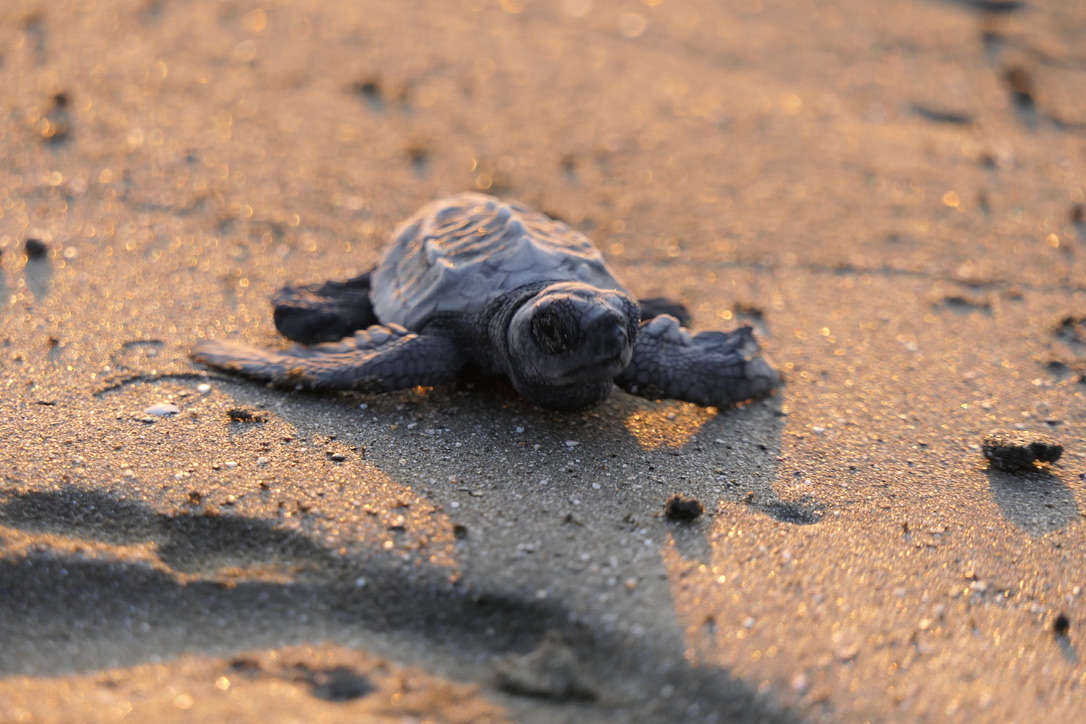
Joan had given us our instructions over the course of the day and a half we spent together before she left on her trip. Spot and Chile couldn’t have been more sweet – or more lazy. They literally wanted to do nothing during the day after their morning walk and before their chauffeured ride in the late afternoon. The huge pool at the community center, along with the yoga studio and fitness center, were almost always empty, due to the fact that only five or six homes in the thirty unit complex were occupied. The beach at Playa Junquillal was uncrowded – on a Saturday visit we saw perhaps fifteen people along it’s mile-long strip of black sand. Lazing on the beach on the evening after Joan left, I remarked “It just doesn’t get any better than this.” I was watching another spectacular sunset (one of my favorite things to do and Costa Rica has some of the best I’ve seen – along with Hawaii and the Philippine island of Boracay) and Heather had just returned from her stroll down the beach to witness a release of Olive Ridley turtle hatchlings as they made their way out to the ocean to start their lives at sea (one of her favorite things to do). So things were definitely going well for us.

998A4DAC-8042-4966-AABB-49B91F472DDF_1_105_c

Spot, Chile and the chauffeur.

971F6EAD-87A3-44D3-8CF1-C0D37A72DEAF_1_105_c.jpeg

Hello? Anybody else out there?

8B8CB027-AFA4-4EC4-A44E-9D508693BAB0_1_105_c.jpeg

Heading to sea. See you in 10 to 15 years!

86C67CC5-76C7-4D2F-8A3A-71C3517A4F33_1_105_c.jpeg

Until tomorrow . . .

A week into our housesit and things are going well. We’ve gotten into a nice rhythm of rising early; feeding and walking the dogs; spending the morning doing trip planning for our upcoming segments to El Salvador, Mexico and Cuba; enjoying the pool and sunsets at the beach each evening, and going up to Tamarindo a couple times to shop for groceries and have a meal out. Joan returns on Sunday and we’ll head off in the panel van to another national park and another beach town down south for a week before leaving Costa Rica. We’ve also been communicating with folks about another upcoming housesit. Over Christmas, while we were back in Panama, we had applied for and been accepted to sit for a couple on the Big Island of Hawaii – for three and a half months. There we’ll care for their house on the southern tip of the island as well as their dog, Snickers. There will be beaches to visit, hopefully some paddling on our SUPs, island villages to explore and, of course, those killer Hawaiian sunsets. Someone’s got to do it.

Note: We use TrustedHousesitters to arrange our sits. If you’re interested in becoming a TrustedHousesitter, contact us for a referral that’ll get you a discounted annual membership.